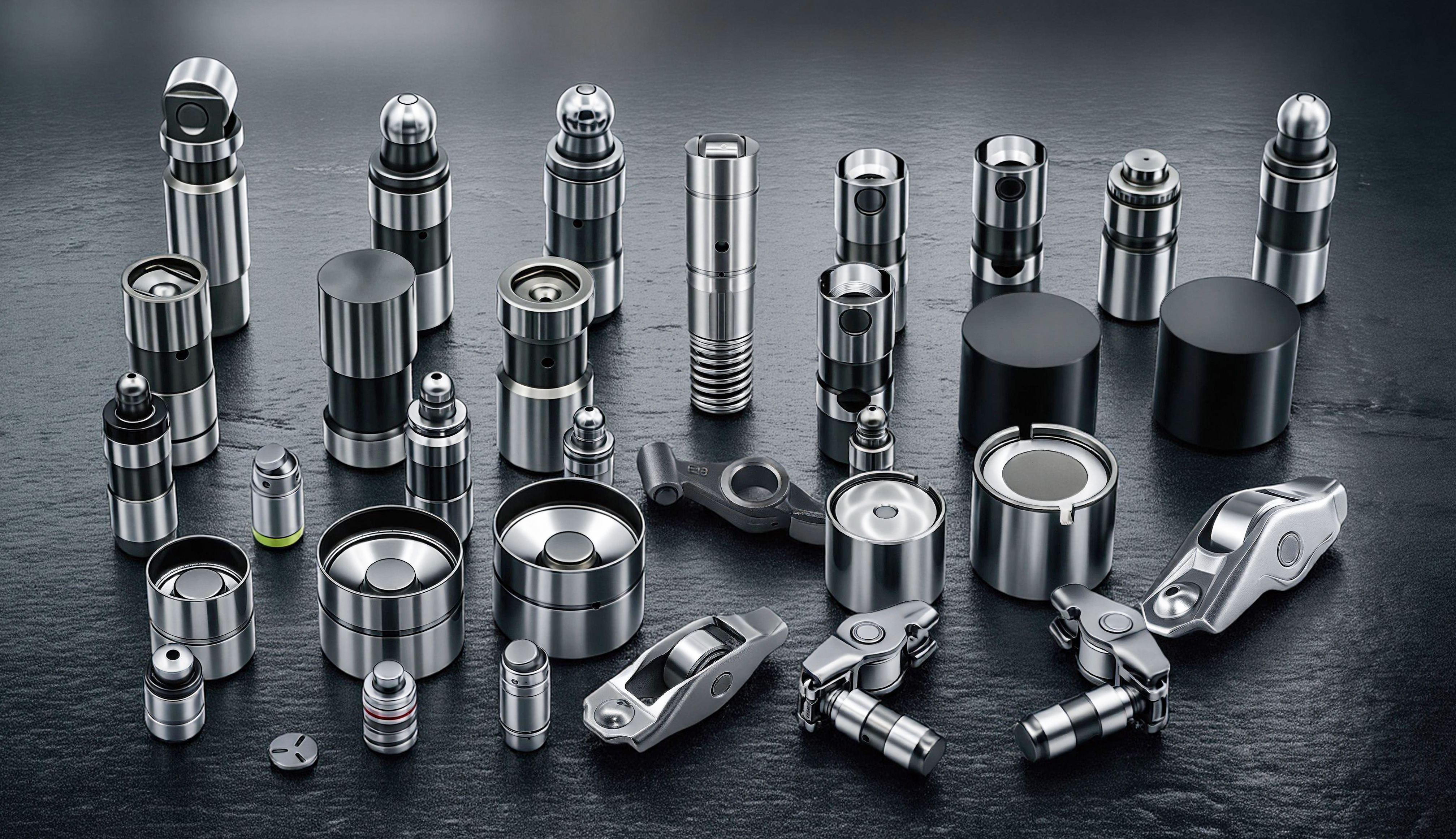
Hearing a ticking sound under your hood? Your hydraulic lifters are trying to tell you something. Not every hydraulic lifter noise means expensive valve train repairs. Some lifter problems have simple fixes like oil changes, while others need immediate attention and lifter replacement.
This hydraulic lifter troubleshooting guide shows you how to diagnose lifter problems step by step. You'll learn what to check first, which lifter symptoms matter most, and when to get professional help for valve lifter issues. At TOPU, we've been manufacturing precision valve train components since 2009, and we understand what causes lifter problems and how to fix them properly.
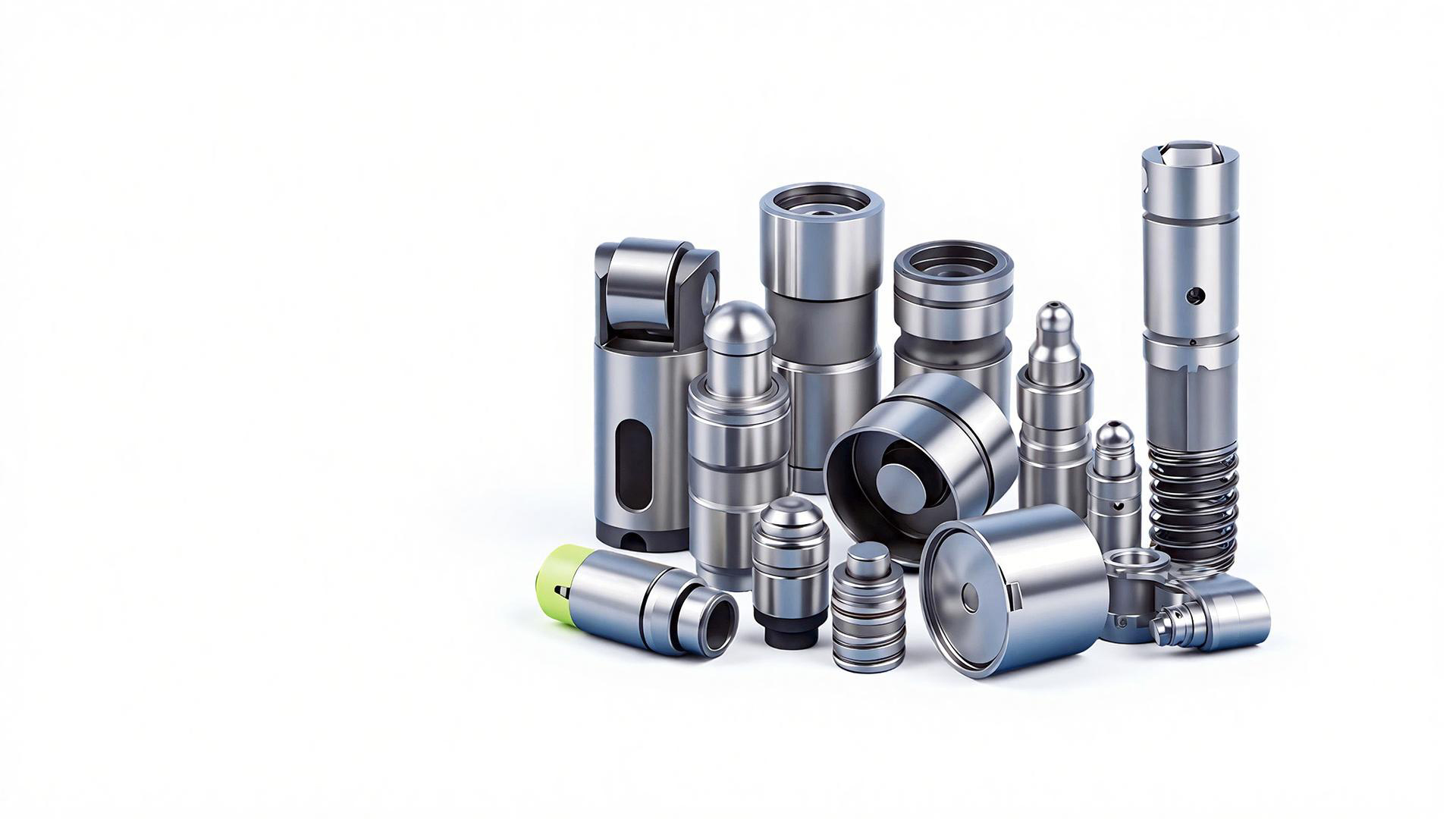
What Does Hydraulic Lifter Noise Tell You?
Does the lifter ticking disappear when the engine warms up?
If your engine makes loud lifter tick during cold starts but quiets down after 5-10 minutes, you're dealing with oil flow issues rather than mechanical lifter failure. Cold engine oil is thick and takes time to fill the hydraulic lifters properly. This cold-start lifter noise pattern is actually good news because the lifter mechanism still works mechanically.
Is the lifter ticking constant regardless of engine temperature?
Constant hydraulic lifter noise that sounds the same cold or hot means mechanical wear inside the valve lifter. The internal lifter components can't maintain proper hydraulic pressure anymore. This persistent lifter tick won't improve with warm-up and you're looking at lifter replacement rather than a simple fix.
Can you pinpoint which cylinder has the bad lifter?
Use a mechanic's stethoscope or long screwdriver to diagnose lifter problems. Touch it to different spots on the valve cover while the engine runs. The loudest lifter ticking tells you which cylinder has the faulty lifter. This helps you focus your compression testing and lifter inspection on the right area.
How Do I Check If Oil Is Causing Lifter Problems?
Is your engine oil level correct?
Pull the dipstick and check your oil level. Low engine oil is the number one cause of hydraulic lifter noise and valve train problems. Even half a quart low can cause lifter tick and valve lifter malfunction. If your oil level is low, top it off with the correct grade and run the engine for 10-15 minutes. Sometimes fixing lifter noise really is that simple.
When did you last change your engine oil?
Dirty engine oil kills hydraulic lifters faster than anything. The tiny clearances inside valve lifters get clogged by oil sludge, carbon deposits, and metal particles. If you're overdue for an oil change, contaminated oil is likely causing your lifter problems. Fresh oil and a new oil filter can sometimes free up sticky lifters within a few days of driving.
What does your engine oil look like?
Pull the dipstick and inspect the oil condition. Black and thick oil? Smells like gasoline indicating fuel dilution? Any milky appearance suggesting coolant contamination? Contaminated engine oil explains premature hydraulic lifter failure. Fuel dilution makes oil too thin to maintain hydraulic lifter pressure. Coolant contamination causes internal lifter corrosion. Change your oil immediately if it looks wrong.
How Do I Test Oil Pressure for Lifter Problems?
What oil pressure do hydraulic lifters need?
You need at least 20-30 PSI oil pressure at idle for hydraulic lifters to work properly. Below 15 PSI means serious trouble for your valve lifters. Install a mechanical oil pressure gauge and check actual engine oil pressure. Low oil pressure explains lifter noise and valve train problems even with clean oil at the correct level.
Does oil pressure increase with engine RPM?
Rev your engine to 2,000 RPM and watch the oil pressure gauge. Pressure should climb to 40-60 PSI for proper hydraulic lifter operation. If oil pressure stays low, you've got oil pump problems or worn engine bearings. This tells you whether the lifter noise is a symptom of bigger engine problems that need fixing before lifter replacement.
How Do I Use Compression Testing to Find Bad Lifters?
Which cylinder shows low compression from bad lifters?
Remove all spark plugs, disable fuel and ignition, and perform a compression test on each cylinder. Normal engine compression is 140-180 PSI. Below 120 PSI indicates valve sealing problems, possibly from a bad lifter. Low compression on the same cylinder with loud lifter ticking confirms a faulty valve lifter causing poor valve operation.
Is the compression loss severe enough to indicate collapsed lifter?
If a cylinder shows 60-100 PSI instead of normal 140-180 PSI, you have a collapsed lifter. This is serious hydraulic lifter failure that needs immediate lifter replacement. The affected cylinder barely contributes power, causing rough engine running and likely triggering misfire codes on your check engine light.
Can I Fix Hydraulic Lifter Problems Without Replacement?
Will oil additives fix noisy lifters?
Oil additives work for sticky lifters where deposits block oil flow to the hydraulic mechanism. Quality lifter additives can dissolve varnish and free up stuck lifter plungers. Worth trying if your lifter noise is recent and temperature-dependent. Run the lifter additive for 100-200 miles. If the lifter tick improves, great. If not, you have mechanical lifter wear that chemicals can't fix.
Should I try an engine flush for lifter problems?
Engine flushes remove oil sludge throughout the oil system and valve train. If your engine has neglected oil changes causing lifter problems, a quality engine flush might help clean sticky lifters. Use a reputable product and follow directions. Only use engine flushes on engines with moderate sludge buildup, not severely neglected engines.
Will thicker oil stop lifter noise?
Thicker engine oil slows oil leakage from worn hydraulic lifters, sometimes reducing lifter tick temporarily. Switching from 5W-30 to 10W-30 might quiet noisy lifters short-term. But this masks lifter symptoms rather than fixing the underlying valve lifter problem. If your lifters need thicker oil to stay quiet, they need proper lifter replacement.
When Do Lifter Problems Need Professional Help?
Are you seeing check engine lights with lifter noise?
Misfire codes P0300 through P0308 combined with hydraulic lifter noise mean the lifter problem affects engine performance and valve operation. Don't ignore these misfire codes. Unburned fuel from cylinder misfires damages your catalytic converter, turning an $800 lifter replacement job into a $2,500 repair with catalytic converter replacement.
Is the lifter noise getting progressively louder?
Hydraulic lifter noise that increases over days or weeks means progressive valve lifter wear. The lifter problem is getting worse. Continuing to drive with bad lifters accelerates damage to the camshaft lobes and valve train components. You're past the point where oil changes or lifter additives will help fix the problem.
Do you have significant power loss from lifter problems?
If your engine feels noticeably weaker or runs rough, bad hydraulic lifters are affecting engine performance and valve timing. This indicates multiple lifters failing or severe lifter failure. You're risking camshaft damage, bent pushrods, and potential valve-to-piston contact in interference engines.
Should I Replace One Lifter or All Lifters?
Should you replace just the bad lifter?
You can replace just the noisy valve lifter, but it's not smart for long-term reliability. If one hydraulic lifter failed, the other lifters experienced the same wear conditions. The labor cost for lifter replacement is identical whether you replace one lifter or all lifters. Replace only the bad lifter and you'll likely pay that labor cost again in 6-12 months when another lifter fails.
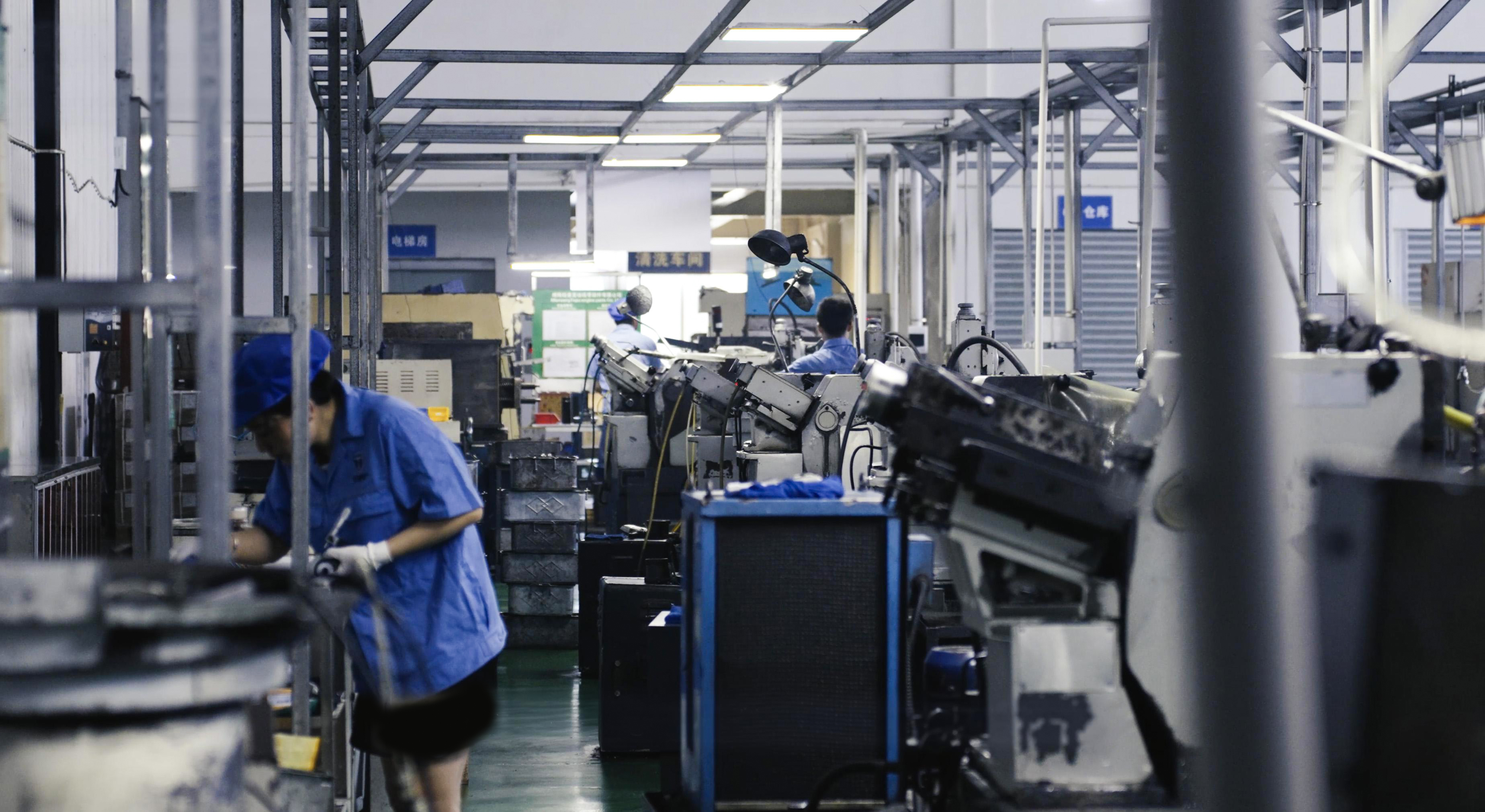
When replacing lifters, quality matters. TOPU manufactures precision hydraulic valve lifters with IATF 16949 certification, ensuring proper fit and reliable performance. Using quality replacement lifters prevents premature failure and repeat repairs.
What about the camshaft when replacing lifters?
If hydraulic lifters have been noisy for a while, check the camshaft lobes for wear. Excessive lifter clearance from bad lifters wears camshaft lobes through metal-on-metal contact. Installing new lifters on worn cam lobes causes rapid lifter failure. If the camshaft is worn, replace it along with the valve lifters for proper valve train operation.
How much does lifter replacement cost?
Expect $800-2,200 for complete hydraulic lifter replacement depending on your engine type. If camshaft replacement is needed due to lifter damage, add $500-1,500 to the total cost. Get quotes from multiple shops and ask whether they're replacing all lifters or just the noisy lifters.
How Do I Prevent Future Hydraulic Lifter Problems?
What's the best maintenance to prevent lifter problems?
Change your engine oil every 5,000-7,500 miles using quality oil that meets manufacturer specifications. This single maintenance practice prevents 80% of hydraulic lifter problems and valve train issues. Synthetic oil provides better protection for hydraulic lifters, especially in high-mileage engines. Don't extend oil change intervals to save money. The $50 you save on an oil change can cost you $2,000 in lifter replacement and valve train repairs.
How often should I check oil level to prevent lifter damage?
Check your engine oil level weekly, especially on higher-mileage engines with hydraulic lifters. Catching low oil early prevents lifter damage and valve train wear. If you're adding oil between oil changes, find out why. Oil consumption indicates engine problems that will eventually damage hydraulic lifters and other valve train components.
Does lifter quality affect longevity?
Absolutely. Quality hydraulic lifters with precise manufacturing tolerances last significantly longer than cheap alternatives. TOPU's hydraulic lifters undergo strict quality control and meet OEM specifications for proper hydraulic pressure and valve train operation. Since 2009, TOPU has supplied precision valve train components to automotive manufacturers worldwide, ensuring reliable performance in diverse engine applications.
Get Quality Replacement Lifters from TOPU
When troubleshooting reveals you need new lifters, choosing quality replacement parts makes all the difference. TOPU manufactures precision hydraulic valve lifters and complete valve train components that meet or exceed OEM specifications.
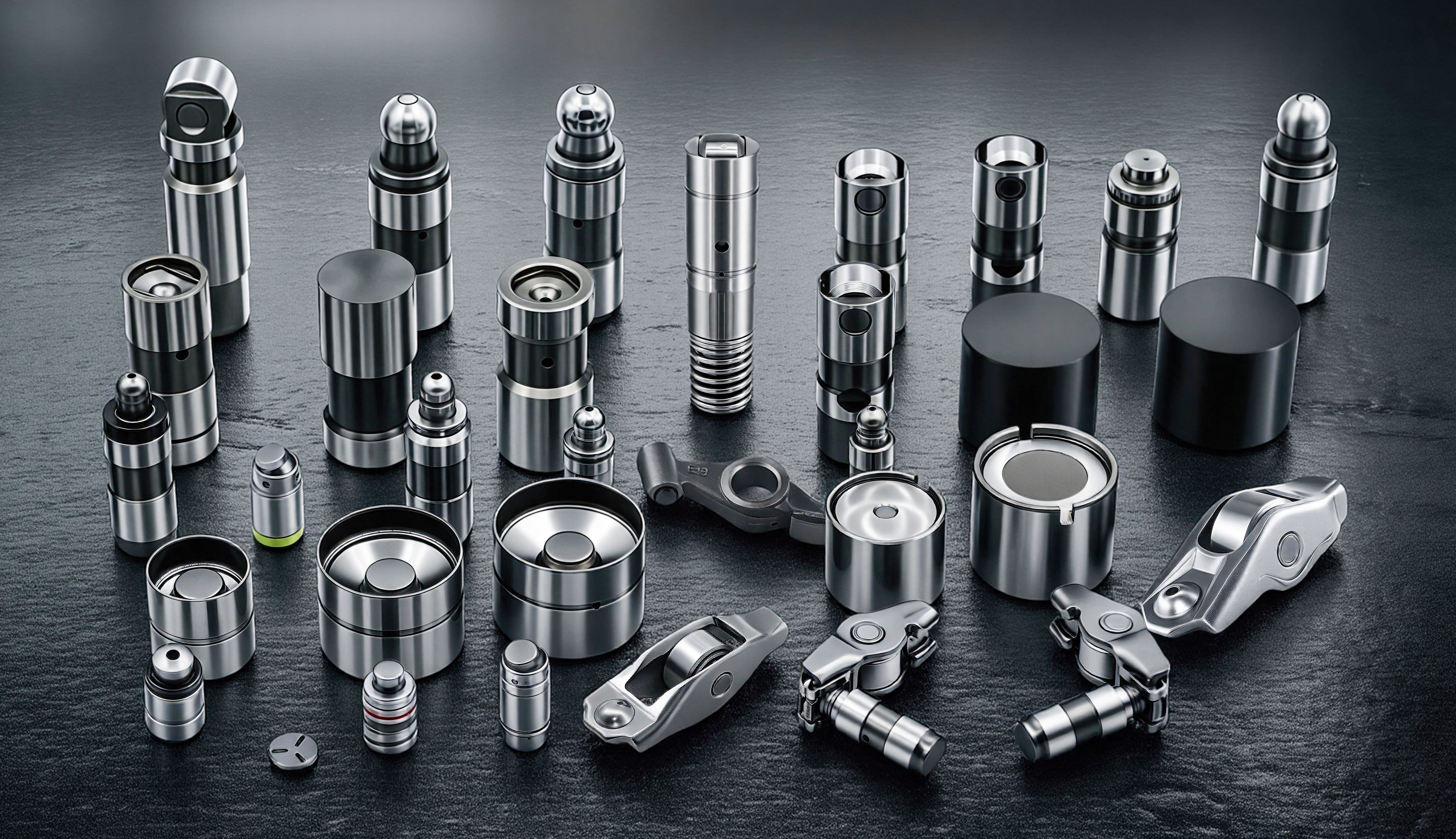
Our IATF 16949 certified manufacturing facility ensures:
Precise internal tolerances for proper hydraulic operation
High-quality materials for extended lifter life
Strict quality control for reliable performance
Proper fit for diverse automotive applications
With over 15 years of experience supplying engine components worldwide, TOPU understands what it takes to manufacture lifters that perform reliably under demanding conditions.
📧 Email: [email protected]
📱 WhatsApp: +86 138 6266 4011