So your mechanic just dropped the news: you need valve lifter replacement. Your first thought is probably "How much is this going to cost me?" Here's the straight answer—most people end up paying somewhere between $1,000 and $1,800, though the final number depends on your engine type, where you live, and whether other repairs are needed at the same time.
The reason it's so expensive isn't the parts themselves. It's the labor. Your mechanic basically has to take apart half your engine just to reach those tiny lifters buried deep inside. We're talking about a full day's work or more, and that's where most of your money goes.
Where Your Money Actually Goes
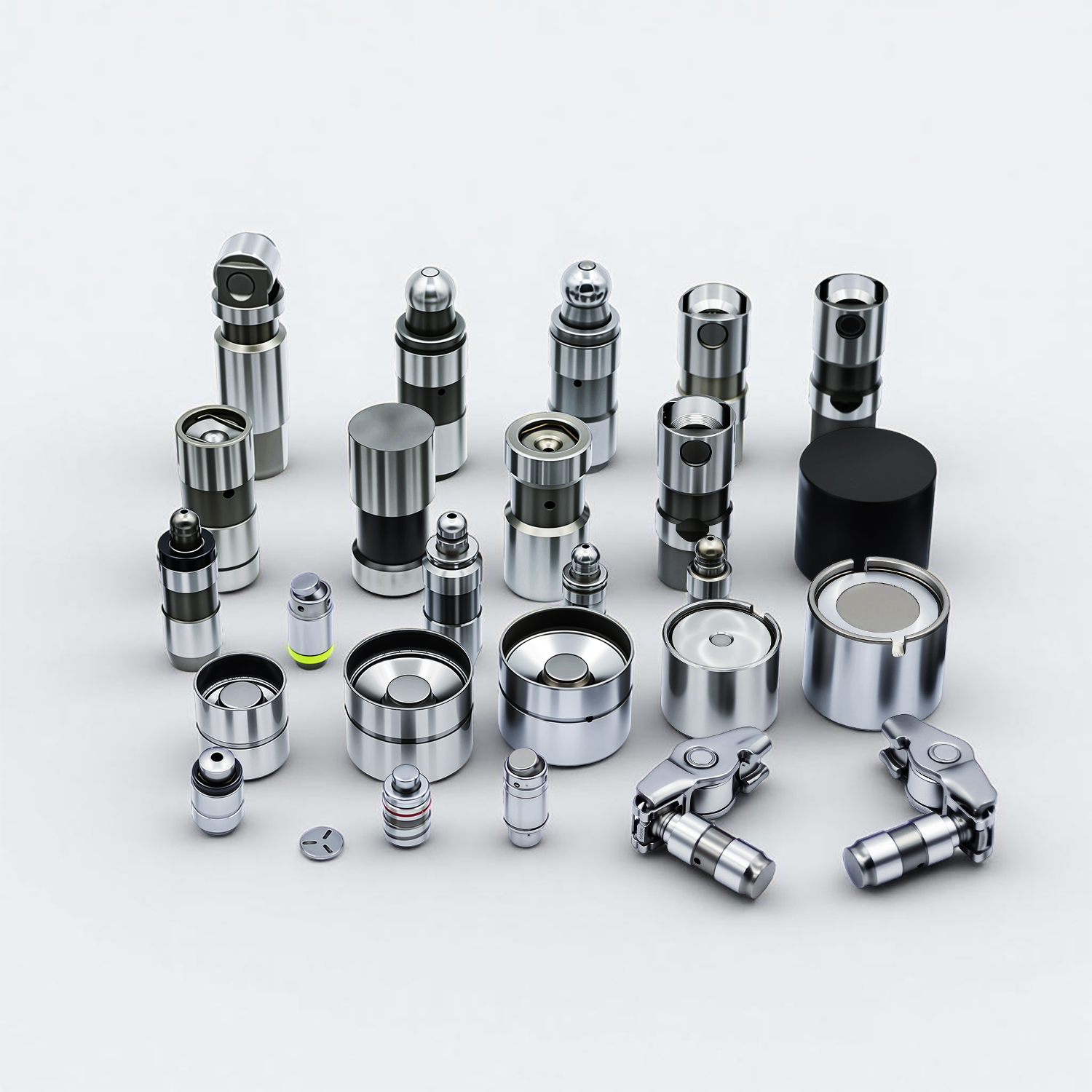
Let's break down what you're really paying for. The parts themselves—the hydraulic lifters, gaskets, seals, and fresh oil—typically make up only 20-30% of your total bill. A complete set of valve tappets for all cylinders, along with the valve cover gaskets, timing component seals, engine oil and filter, and miscellaneous gaskets, is relatively affordable when you look at the parts alone.
Quality matters here though. Certified manufacturers like TOPU supply precision-engineered lifters that meet OEM specifications for major brands including Audi, BMW, Mercedes-Benz, Volkswagen, Honda, Toyota, and Chevrolet. Using quality parts from the start means you won't be doing this job twice.
The real expense is labor, which eats up 70-80% of your bill. Why so much? Because your mechanic has to remove valve covers, take off timing components, pull out pushrods and rocker arms, extract each lifter, and then put everything back together perfectly. This isn't a quick job—it requires a full day or more of skilled mechanical work. The complexity of accessing lifters buried deep in the engine is what really drives the cost up.
How Your Engine Type Affects the Price
Not all engines are created equal when it comes to lifter replacement. A simple 4-cylinder engine is the most affordable option because there are only 8 lifters to replace and the valve train is easier to access. Think Honda Civic or Toyota Corolla—these are generally straightforward jobs.
V6 engines get more complicated. With two cylinder banks and 12 lifters to replace, you're looking at mid-range pricing. Examples like the Camry V6 or Accord V6 require more time because the mechanic has to work on both sides of the engine.
V8 engines are where things get expensive. With 16 lifters and two banks of components, there's just more work involved. Whether it's an F-150 with a 5.0L or a Silverado with a 5.3L, expect higher labor time and costs.
Diesel engines are in a category of their own. The heavy-duty components and more complex disassembly required for engines like the Cummins or Duramax push costs even higher. The basic principle is simple: more cylinders mean more lifters, which means more work. Plus, V-configuration engines have two cylinder banks, making access trickier than inline engines.
What Else Affects Your Final Bill?
Where you live makes a surprising difference. Major cities like LA or New York have higher shop rates because of increased cost of living and overhead. Rural areas generally offer lower rates. This geographic factor alone can create substantial price differences for the exact same job.
The type of shop you choose matters too. Dealerships charge the highest rates but use OEM parts and have brand-specific expertise. Chain shops offer mid-range pricing with standardized service. Independent mechanics often provide the best value, especially for older vehicles. Each has its place depending on your needs and budget.
Here's a trap many people fall into: replacing just the one bad lifter. It costs almost the same as replacing all of them because the labor is identical. Your mechanic still has to tear down the entire engine either way. If one lifter failed, the others have experienced the same wear and operating conditions—they're not far behind. Replace just one, and you'll likely be back in 6-12 months paying that labor cost all over again. The smart move is replacing them all at once.
Sometimes lifter problems bring friends along. Failed lifters can damage cam lobes, requiring camshaft replacement. The timing chain is often replaced simultaneously since the engine is already disassembled. Valve grinding or head resurfacing may be needed too. These additional repairs can significantly increase your total cost, which is why it's important to ask for a complete inspection before authorizing work.
The DIY Temptation
Doing it yourself means you only pay for parts, potentially saving a significant chunk of money on labor. It's tempting, especially when you're looking at a four-figure repair bill. But before you grab your toolbox, let's talk reality.
This is a multi-day project that requires significant time and patience. You'll need special tools like a torque wrench and timing tools. One timing mistake can destroy your engine—we're not exaggerating. There's no warranty protection if something goes wrong, and cleanliness is absolutely critical because any debris in the engine causes serious problems.
If you're an experienced home mechanic with major engine work under your belt, have the proper tools and workspace, and have time to spare, then maybe. But if you're new to major engine work, have an interference engine (where timing errors equal catastrophic damage), or need your car running quickly, this isn't the project to learn on.
Smart Ways to Save Money
You don't have to pay dealership prices for parts. Quality aftermarket lifters from certified manufacturers like TOPU meet OEM specifications at lower cost. Look for IATF 16949 certification—that's the automotive quality standard that actually matters.
TOPU manufactures hydraulic valve lifters for European vehicles like Audi, BMW, Mercedes-Benz, and Volkswagen, Asian vehicles including Honda, Toyota, Lexus, Nissan, and KIA, plus American vehicles like GM, Buick, Cadillac, and Chevrolet. Whether you need hydraulic tappets, mechanical lifters, or roller lifters, choosing certified aftermarket parts saves money without compromising quality. Just avoid cheap no-name lifters—they fail prematurely and you'll pay for the job twice.
Get multiple quotes from different shops. Prices can vary significantly for the same job. Just make sure you're comparing apples to apples by verifying they're replacing all lifters and using quality parts, not just the cheapest option available.
If you're already getting timing chain work done, add lifter replacement while the engine's apart. The incremental cost is minimal since the hard part—the disassembly—is already done. And if your lifters are ticking but not completely dead yet, you have time to shop around and plan. Emergency repairs always cost more.
Is It Worth Fixing?
This depends on your specific situation. Fix it if your vehicle has reasonable value and is otherwise reliable, the engine is in good condition aside from the lifters, you plan to keep the vehicle for several more years, and the repair cost is reasonable compared to vehicle value.
Consider alternatives if your vehicle has low value with multiple problems, the engine has other major issues beyond lifters, or repair costs approach or exceed the vehicle's worth. Sometimes you need to compare the cost of lifter replacement to complete engine replacement or even vehicle replacement, depending on your situation.
If your engine has multiple major issues—bad lifters plus a worn cam plus timing problems—sometimes a replacement engine makes more financial sense than paying for multiple separate repairs.
What Should Be Included
A proper lifter replacement should include a complete lifter set (not just the bad one), all necessary gaskets and seals, fresh oil and filter, camshaft inspection, timing system check, compression test before and after, and a road test. Reputable shops typically offer warranty coverage on both parts and labor, so verify warranty terms before authorizing work.
Different manufacturers have different engine designs that affect repair complexity. Honda and Toyota generally have straightforward access with reliable engines. Ford varies significantly by engine type—EcoBoost engines are more complex than traditional V8s. Chevy and GMC LS/LT engines are relatively accessible, though lifter issues are common. Dodge and Ram HEMI engines are known for lifter problems and have more complex access. BMW and Mercedes have complex engine designs with higher labor rates and parts costs.
Contact TOPU for Quality Valve Lifters

TOPU manufactures precision valve lifters and hydraulic tappets with IATF 16949 certification. We supply OEM-quality engine valve components to automotive professionals, repair shops, and distributors worldwide. Our product range includes hydraulic valve lifters for European, Asian, and American vehicles, mechanical lifters and roller tappets, complete valve train components, and custom OEM solutions for bulk orders.
📧 Email: [email protected]
📱 WhatsApp: +86 138 6266 4011