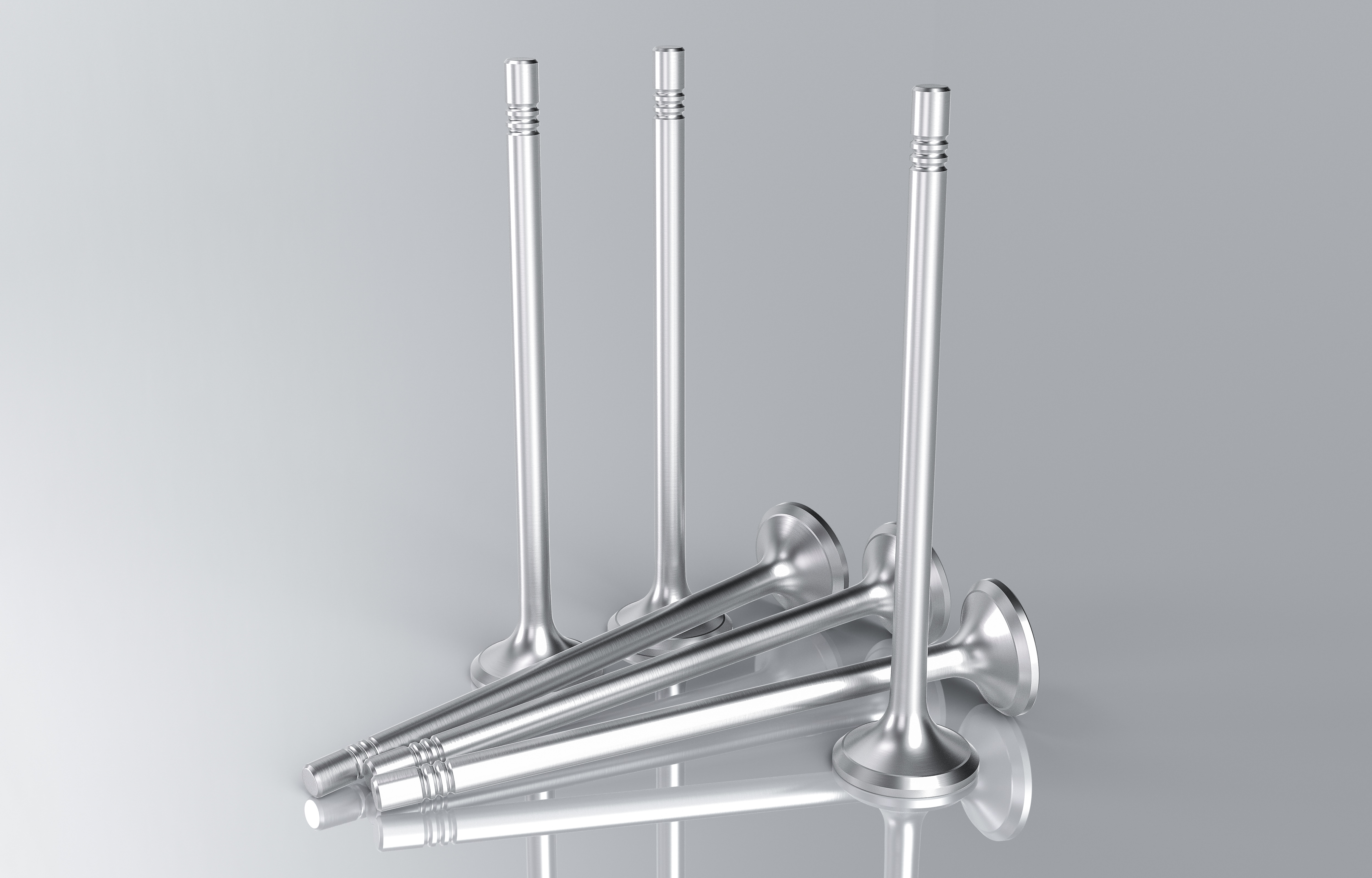
A noticeable loss of engine responsiveness or a sudden drop in fuel economy does not necessarily indicate a permanent mechanical failure. In many modern vehicles, it simply points to severe carbon deposits accumulating on the intake valves.
To understand why valves require cleaning, it is essential to look at how modern engines handle internal pressures. The Positive Crankcase Ventilation (PCV) system routes unburned oil vapors from the engine block back into the intake manifold to be burned off during combustion.
In older port-injected engines, fuel was sprayed directly over the Intake Valves. Because gasoline is an excellent solvent, it continuously washed these oily vapors away. However, the majority of modern vehicles use Gasoline Direct Injection (GDI). In a GDI system, fuel is sprayed directly into the combustion chamber, completely bypassing the intake valves. Without the constant cleaning action of gasoline, the PCV oil vapors hit the extremely hot metal of the intake valves and bake into hard, solid carbon deposits. Over tens of thousands of miles, this carbon thickens, restricting the airflow required for optimal engine combustion.
Symptoms of Restricted Valve Airflow
Carbon buildup affects engine performance gradually. Because the intake tract operates like an air funnel, any solid obstruction forces the engine to work harder to breathe.
The most prominent symptom is rough idling during cold starts. Cold carbon deposits are porous and act like a sponge, temporarily absorbing the fuel mixture before it reaches the combustion chamber. This leads to a lean fuel condition, causing the engine to stumble or hesitate until it reaches operating temperature.
As the deposits worsen, the vehicle will experience sluggish acceleration and a noticeable decrease in fuel economy. In severe cases, hardened carbon chunks can prevent the intake valves from closing tightly against the valve seat. This loss of compression triggers the engine's computer to register a P0300 (Random Cylinder Misfire) code and illuminate the Check Engine Light.
Proven Methods for Cleaning Engine Valves
When carbon buildup reaches a critical level, physical or chemical intervention is necessary. Below are the three primary methods used to safely clean engine valves.
1. Chemical Intake Cleaning (Mild to Moderate Buildup)
For vehicles in the early stages of carbon accumulation, chemical intake sprays are a highly effective maintenance procedure. Unlike liquid fuel additives poured into the gas tank (which never touch the valves in a GDI engine), these aerosol solvents are sprayed directly into the air intake manifold while the engine is running.
The chemical solvent coats the intake valves, breaking down the molecular bonds of the soft carbon sludge. As the engine runs, the dissolved carbon is pulled into the combustion chamber and safely burned out through the exhaust system. This method is relatively inexpensive and performs best as a preventative measure every 20,000 to 30,000 miles.
2. Walnut Media Blasting (Severe Buildup)
When carbon deposits have solidified into rock-hard crusts, chemical sprays are generally ineffective. The industry standard for severe buildup is walnut shell blasting.
In this procedure, a technician removes the intake manifold to expose the valves directly. Using a specialized compressed-air machine, crushed walnut shells are blasted into the valve port. Walnut shells possess a unique physical property: they are abrasive enough to completely chip away solid carbon rock, but mathematically softer than the engine's aluminum and steel components. This guarantees the carbon is removed without scratching the valve stems or cylinder head. The residual media is then vacuumed out, immediately restoring factory airflow levels.
3. Manual Solvents and Scraping (Engine Teardown)
If the engine has suffered extreme neglect, or if the cylinder head is already removed for extensive Valve Repairs, manual scraping is utilized. Technicians soak the hardened valves in industrial-strength chemical solvents (such as B-12 Chemtool) to soften the carbon over several hours. The remaining deposits are meticulously scraped off using brass-bristled brushes and specialist picks. While labor-intensive, it provides a comprehensive cleaning when the engine is already disassembled.
Preventative Maintenance Strategies
While carbon buildup in GDI engines is largely inevitable due to their design, owners can significantly slow the accumulation process.
Using high-quality synthetic motor oil with a low volatility rating is crucial, as premium oil emits fewer vapors through the PCV system when exposed to high heat. Additionally, installing an aftermarket oil catch can provides a physical trap for these vapors before they reach the intake manifold. Finally, ensuring the vehicle is occasionally driven at highway speeds allows the engine to reach optimal temperatures, which assists in naturally burning off minor, loose carbon deposits before they solidify.
Upgrade Your Engine Rebuild with Premium TOPU Valvetrain Parts
When severe carbon buildup forces a professional cylinder head teardown, inspecting and replacing compromised internal parts is crucial for a complete engine restoration.
As a leading B2B automotive manufacturer, TOPU specializes in OE-quality engine valves and valve lifters designed for superior heat resistance and optimal airflow. Whether servicing a mixed fleet or rebuilding a high-performance engine, choosing TOPU ensures lasting, leak-free reliability. Contact our team today to explore our catalog of precision engine components.