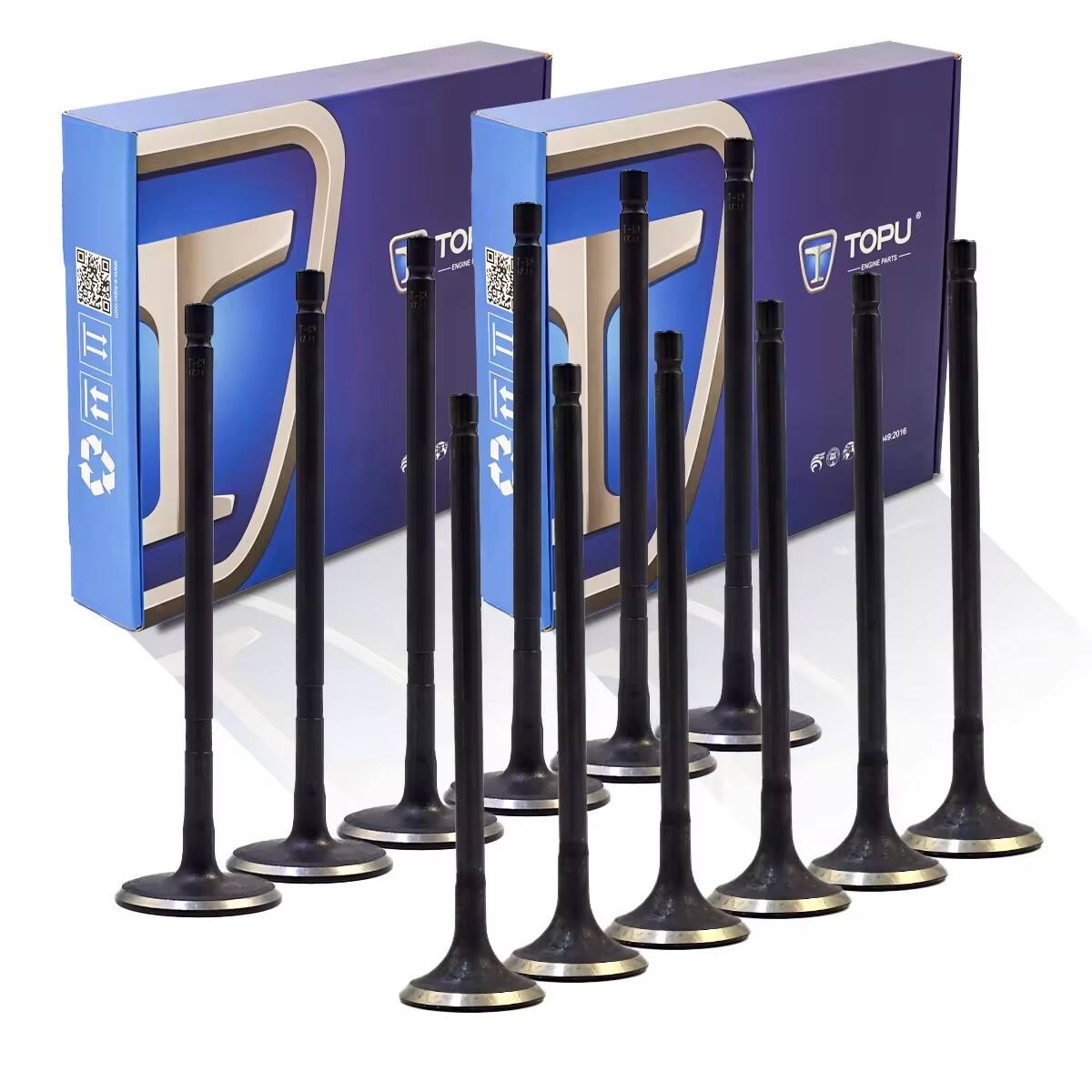
Vivutusjärjestelmä on yksi tärkeimmistä taistelukentistä niille faneille ja asiantuntemukselle, jotka ymmärtävät, että moottorin suorituskyky syntyy tarkkuuden ja johdonmukaisuuden alhaalta ylöspäin -strategiasta. Komponentit kuten nousejat, työntötangot, kipinät ja venttiilit toimivat erittäin suurien kuormitusten, paineen ja syklisen kuormituksen alla. Olettamme, että pitkäikäisyys ja optimaalinen suorituskyky eivät synny sattumalta Suzhou Topu Engine Parts Co., Ltd.:ssä, vaan perustuvat kattavaan ja ennakoivaan huoltolaitoksiin. Siirtymä reagoivasta korjauksesta ennakoivaan ja etukäteen suunniteltuun huoltokalenteriin on se, mikä erottaa luotettavan voimanlähde tulevaisuudessa petrurivasta. Tämä strategia perustuu tietoon ja monimutkaisten tarpeiden ratkaisemiseen näissä korkean rasituksen yksiköissä.
Öljyn vaihtamisen tavanomainen sääntö tietyin mailien tai kuukausien välein on hyvä alku, mutta korkean rasituksen venttiilijärjestelmän kohdalla se ei usein riitä. Venttiilijärjestelmä on riippuvainen öljystä, joka voidellee, jäähdyttää ja puhdistaa mikroskooppisen pieniä rakenteita, joissa on suuret nopeudet. Moottoriöljy heikkenee ajan myötä – se saastuu polttoaineella, savulla ja polttoprosessin haponmuodoilla olevilla sivutuotteilla. Sen viskositeettia säätävät aineet hajoavat, ja sen lisäainepakkaus, johon kuuluu kulumista ehkäiseviä aineita, jotka ovat erittäin tärkeitä kammojen ja nousejien pintojen suojaamisessa, tyhjenevät.
Yleisen vaihtovälin käyttö voi altistaa venttiilijärjestelmän. Öljyn hajoaminen kiihtyy suorituskykysovelluksissa sekä lyhyillä matkoilla tai äärimmäisissä käyttöolosuhteissa. Kun öljyn suojaavat ominaisuudet ovat hävinneet, metallien väliset kosketukset lisääntyvät. Tämä aiheuttaa nopeamman kulumisen tarkkuuspintojen, kuten kammojen ja nostonkantapohjien, kohdalla, mikä on keskeistä oikean venttiiliajoituksen ja noston kannalta. Kokonaisvaltainen lähestymistapa tarkoittaa öljynvaihtojakson määrittämistä moottorisi tyypillisten käyttöolosuhteiden mukaan. Suzhou Topun valmistamista tai huolletuista tarkkuusosista koostuvassa järjestelmässä ensimmäinen ja tärkein kuluma- ja katastrofaalivaurioiden ehkäisytapa on taata, että öljy on jatkuvasti sellaisessa kunnossa, että se pystyy muodostamaan vahvan suojakerroksen.
Vaikka öljy tekee siitä turvallista, venttiilien ohjausmekanismin eheys on tärkein asia. Venttiilinvälyksen ja nousejien toiminnan tarkkailu on myös yksi informatiivisimmista tavallisista tarkistuksista. Oikea etäisyys heilurivivun ja venttiilinsauvan välillä tunnetaan venttiilinvälyksenä tai raolla. Tämä rako on suunniteltu ottamaan huomioon lämpölaajeneminen. Ajan myötä kuitenkin normaalista kulutuksesta venttiilinistuimessa, sauvan kärjessä ja muissa kosketuspintojen seurauksena tämä rako voi vaihdella.
Väärä venttiilinvälys, joko liian tiukka tai liian löysä, ei kestä kauan. Liian tiukka välys estää venttiilien täydellisen sulkemisen, mikä aiheuttaa puristuspaineen laskun, palaneet venttiilit ja liiallisen lämmön tuotannon. Liiallisen löysä välys puolestaan aiheuttaa melua, lisää iskukuormia osiin ja vähentää venttiilin nostoa ja kestoa, mikä heikentää moottorin tehoa ja hyötysuhdetta. Venttiilinvälyksen tulee aina tarkistaa fyysisesti ja säätää määräysten mukaiseksi jokaisen suuren huoltovälin yhteydessä. Lisäksi hydraulisten nousejien toiminnan suora seuranta oikean romahduksen ja pumppautumisen perusteella tai kiinteiden nousejien ja niiden kosketuspintojen eheyden valvonta antaa suoran osoituksen koko venttiilinohjausketjun kuntoon. Tätä käytännön testiä voidaan käyttää huononevien osien varhaiseen havaitsemiseen ennen kuin ne aiheuttavat dominoefektin kaltaista vauriota.
Ennakoiva diagnostiikka, joka on laajemman kunnossapidon strategian kehittynein osa-alue, saavutetaan jatkuvalla öljyn tarkkailulla. Se on erittäin tärkeä prosessi, joka ylittää arvaukset ja antaa kemiallisesta ja fysikaalisesta kannalta arvosanan siitä, mitä moottorin sisällä tapahtuu. On hyödyllistä tutkia pienestä käytetyn öljynäytteestä saadakseen arvokkaita tietoja siitä, mitä venttiilien ohjauksessa ja moottorissa yleensä tapahtuu.
Öljissä olevat kulumismetallit voidaan määrittää ja kvantifioida öljyanalyysilaboratorioissa. Suuret määrät rautaa, kromia tai alumiinia voivat olla merkki kulumisesta sylintereissä tai pinnoissa. Erityismetallit, kuten mangaani (useimmiten terässeokset) tai raudan anomaliat, voidaan kuitenkin suoraan yhdistää venttiilien ohjainkomponenttien kulumiseen. Analyysillä mitataan myös jäljellä oleva lisäainevoimakkuus, viskositeetti sekä jäähdytinnesteen tai polttoaineen saastuttaminen. Näiden tietojen avulla voit tehdä perusteltuja päätöksiä. On turvallista pitää öljynvaihtoväliajat pidemmillä, jos öljy on terveellistä, tai vielä parempi, mahdollista varoittaa epänormaalista kulumistilasta hyvin ennen kuin vika tapahtuu. Moottorissa, jossa on laadukkaat venttiilien ohjainkomponentit, öljyanalyysi on lopullinen tarkistuspiste huoltosuunnitelmasi toimivuudelle, jossa kaikki komponentit, mukaan lukien kampikansi ja venttiilijousi, toimivat terveellisessä ympäristössä.
Tämä kolmitasoinen suunnitelma – aktiivinen nesteen hallinta, huolellinen mekaaninen valvonta ja ennakoiva öljyanalyysi – tarjoaa laajan suojauksen moottorisi sydäntä varten. Suzhou Topu Engine Parts Co., Ltd. suunnittelee osat luotettaviksi paineolosuhteissa, ja täysi kapasiteetti saavutetaan älykkään ja kattavan huolenpidon järjestelmällä. Näiden käytäntöjen avulla investoitte ei ainoastaan vaurioiden ehkäisyyn, vaan myös moottorinne ihmisenkaltaisen eliniän ja suorituskyvyn pidentämiseen.
لیفتر سوپاپ پروفیل میل بادامک را دنبال میکند و حرکت آن را به سوپاپ موتور میرساند. تفاوت طراحیهای هیدرولیکی، مکانیکی، غلتکی، تخت و استکانی و روش تطبیق کاربری توسط TOPU را بررسی کنید.
BlogiKlapan turtkichi taqsimlash valini kuzatib, uning harakatini dvigatel klapaniga uzatadi. Gidravlik, mexanik, rolikli, tekis yuzali va stakanli konstruksiyalar farqini hamda TOPU detalni to'g'ri qo'llanish bilan qanday moslashtirishini ko'ring.
BlogiТолкатели клапан профили распредвалро пайгирӣ карда, ҳаракатро ба клапани муҳаррик мерасонад. Фарқи тарҳҳои гидравликӣ, механикӣ, роликдор, ҳамвор ва стаканшаклро омӯзед ва бубинед, ки TOPU татбиқи дурустро чӣ гуна мутобиқ мекунад.