Alterations in the internal combustion engine have been significantly transformed by the quest to introduce more efficiency, lowering of emissions and increasing specific output. Other technologies such as the use of the advanced variable valve timing (VVT) and turbocharged downsizing are a norm today and offer impressive performance out of small displacements. Nevertheless, the core, the valve train, of the engine has never been subjected to such demands as it is with this engineering progress. We at Suzhou Topu Engine Parts Co., Ltd. are aware that these new paradigms involve a new generation of components that would work in smarter and harsher operating conditions.
How Variable Valve Timing Systems Increase Stress on Valves and Springs
VVT or Variable Valve Timing technology is an efficiency wonder, which enables engines to adjust the valve opening and closing optimally in various RPM range. This elasticity boosts power, fuel economy and emissions. Nevertheless, such intelligence is costly to the physical elements involved.
Conventional fixed timing cams have predictable and repetitive motion shapes. VVT systems, in contrast, vary timing: torsional loads are applied in an ever-changing way on the camshaft by hydraulic or electronic actuators, or the phasing is dynamically varied. This leads to more complicated load patterns on valves and springs which are often varying. Valves can be instructed to open or close in various conditions of cylinder pressure which causes higher impact forces. More importantly, valve springs have a broader range of frequencies on which they can swing, and have to deal with the possibility of the so-called spring surge or resonance under various operating conditions determined by the VVT. The process of accelerated fatigue requires springs of superior consistency with the high-grade materials and the accuracy of heat treatment to avoid failure and this is why special manufacturing and systematic testing is most important.
Why Traditional Valve Trains Can’t Keep Up with Turbocharged Downsizing
The emergence of turbocharged downsizing, in which a smaller, forced-induction engine is substituting a larger naturally aspirated engine, provides a highly stressful environment in which the conventional design of the valve train should be pushed to its extreme.
Its fundamental cause is the drastic increase in the cylinder pressure and temperature. A small engine with a turbocharger is able to generate a good high pressure compared to a large non-turbo engine. This exerts deep pressure on the back of the exhaust valve upon the act of combustion, and renders the chamber very hot. These conditions can cause traditional materials to creep under heat, corrode and wear out. Moreover, to have high revving ability of a low-power engine (which is a secret of power output), the valve trains have to be lighter and stronger to sustain stability at high RPMs. The older designs may not provide the required mass optimization and strength of materials because they may allow a valve float, deform components and cause catastrophic failures. The valve train is no longer simply a mechanical follower but it has to be a dynamic, robust contender in a high pressure combustion process.
The Role of Lightweight Yet Durable Materials in Next-Gen Valve Trains
The key to these contemporary issues is the tactical use of the new materials and precision engineering. The new generation of the valve train refers to the fact that it is not only lightweight to be able to maintain high-RPM stability, but also has a high level of durability in order to resist heat and pressure.
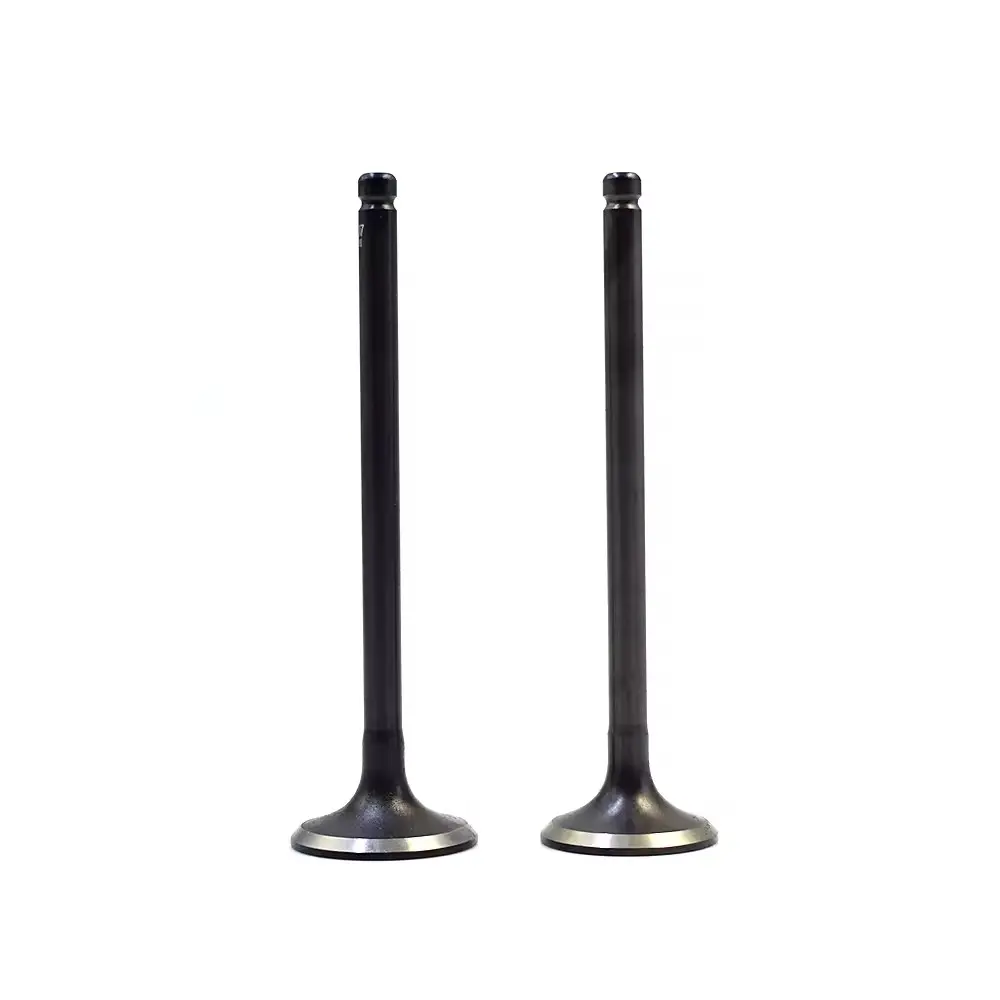
This will include the shift of usual alloys to high-performance steels, heat resistant nickel-based superalloys in the manufacture of exhaust valves, and high tech titanium alloys in intake valve manufacture in high end models. These alloys have better strength-weight ratios as well as they resist fatigue, oxidation and thermal softening. On the same note, valve springs need high-tensile wire that is extremely clean with accurate coatings to deal with friction and dampening factors.
We are dealing with the mastery of manufacturing these key components, which is Suzhou Topu Engine Parts Co., Ltd. We design parts which provide the durability required in turbocharged pressures, the strength required in the dynamic loads of VVT systems and the light weight feature required in efficient high speed operation. In so doing, we give the necessary base upon which the present-day engine designs can perform to their full capacity in terms of performance, efficiency, and lifespan.