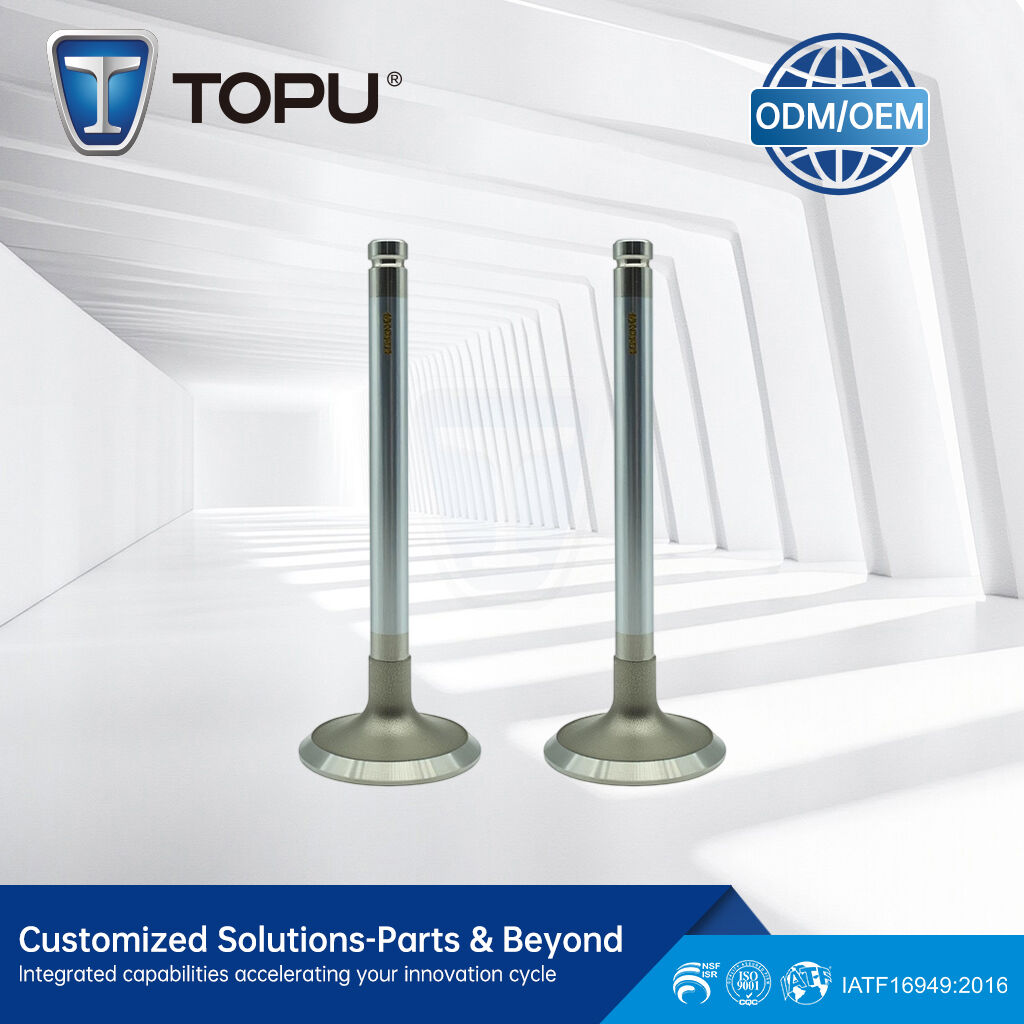
Один з найефективніших способів вивільнення додаткової продуктивності — це модернізація газорозподільного механізму двигуна, хоча це можна зробити правильно лише за умови правильного підбору та узгодження компонентів. Неправильна модернізація може призвести до надмірної складності, додаткового зносу та небажаних витрат. У компанії Suzhou Topu Engine Parts Co., Ltd. ми вважаємо, що розумні рішення призводять до успішних результатів. У цьому посібнику наведено основні аспекти, які слід враховувати при виборі відповідних клапанів для вашого проекту, а також описано типові помилки, яких найчастіше припускаються любителі.
Перша перевага клапанів підвищеної продуктивності сторонніх виробників — збільшення обсягу повітряного потоку; підвищена об'ємна ефективність дуже корисна для двигунів з високою потужністю, зокрема тих, що працюють з підвищеним ступенем стиснення, мають агресивні розподільні валки, модифіковані головки циліндрів або примусове нагнітання. Більші або модифіковані клапани підвищеної продуктивності від Suzhou Topu можуть використовуватися в цих застосуваннях, щоб мінімізувати обмеження потоку, покращити наповнення циліндрів і досягти вимірного зростання потужності та крутного моменту.
Наші дбайливо виготовлені клапани розроблені для покращення динаміки повітряного потоку, що дозволяє спеціалізованим двигунам ефективніше працювати на високих обертах. Проте більший обсяг повітря — не завжди рішення. Вигоди від покращених клапанів окремо можуть бути незначними у повністю штатному двигуні, оскільки інші його частини (впускний колектор, канали або випускна система) часто є справжніми вузькими місцями без відповідних модифікацій.
Крім того, потрібна обробка головки циліндрів для збільшення клапанів. Неправильне нарізання сідла може вплинути на ущільнення, стиснення і призвести до раннього виходу з ладу клапанів, а також самих сідл, тому високопродуктивні клапани ніколи не можна використовувати як окреме оновлення, їх слід розглядати як частину всієї системи подачі повітря.
Матеріал клапанів безпосередньо впливає на довговічність, стійкість до високих температур і надійність у довгостроковій перспективі.
У більшості двигунів для дороги і більшості двигунів, які можуть використовуватися на треку, клапани Suzhou Topu, виготовлені з високоякісної нержавіючої сталі, пропонують найкраще поєднання продуктивності, міцності та вартості; вони мають кращий захист від корозії і можуть витримувати вищі температури та більші оберти, ніж оригінальні клапани, і тому краще підходять для активного використання, час від часу для перегонів і повсякденного використання з підвищеною продуктивністю.
Inconel буде золотим стандартом у екстремальних випадках. Це нікелевий суперсплав, який зберігає свою максимальну міцність навіть при температурах, за яких нержавіюча сталь вийде з ладу. Двигуни з високим турбонаддувом, двигуни для змагань на витривалість та двигуни з підвищеною температурою відпрацьованих газів — це ті сфери, де бажана термічна стабільність Inconel.
Компромісом є вага. Клапани з Inconel важчі, що може збільшити масу клапанного механізму. Це можна компенсувати використанням потужніших пружин у високообертових двигунах з природнім впуском, щоб запобігти плаванню клапанів на високих обертах. У двигунах з турбонаддувом, де діапазон обертів, як правило, менший, але температура значно вища, підвищена термічна стійкість компенсує недолік у вазі.
Правильний матеріал буде обрано для довговічності та запобігання пошкодженню двигуна в умовах його конкретного експлуатаційного навантаження.
Заміна клапана не є насправді модернізацією клапана, оскільки це також впливає на динаміку всього газорозподільного механізму. Клапани, які є більшими, важчими або мають не круглу форму, вимагатимуть коригування роботи пружин, фіксаторів та ущільнень.
Якщо штатні пружини не зможуть впоратися з новими клапанами під час збільшення обертів, існує реальна ймовірність виникнення явища 'плавання клапанів', що може призвести до втрати контакту між клапаном і кулачком розподільного валу, викликаючи пропали окремих запалювань, втрату потужності та навіть катастрофічний контакт поршня з клапаном.
Компанія Suzhou Topu настійно рекомендує розглянути повний комплект газорозподільного механізму при модернізації клапанів. Зазвичай потрібні узгоджені високопродуктивні пружини клапанів: щоб зберегти продуктивність на вищих обертах. Титанові фіксатори для мінімізації маси та підвищення стабільності, узгоджені зі щільниками та направляючими клапанів, забезпечують правильний контроль мастила та надійність з часом. Такий системний підхід гарантує, що всі компоненти працюють узгоджено, виключаючи механічну дисбаланс та максимально використовуючи переваги нових клапанів.
لیفتر سوپاپ پروفیل میل بادامک را دنبال میکند و حرکت آن را به سوپاپ موتور میرساند. تفاوت طراحیهای هیدرولیکی، مکانیکی، غلتکی، تخت و استکانی و روش تطبیق کاربری توسط TOPU را بررسی کنید.
БлогKlapan turtkichi taqsimlash valini kuzatib, uning harakatini dvigatel klapaniga uzatadi. Gidravlik, mexanik, rolikli, tekis yuzali va stakanli konstruksiyalar farqini hamda TOPU detalni to'g'ri qo'llanish bilan qanday moslashtirishini ko'ring.
БлогТолкатели клапан профили распредвалро пайгирӣ карда, ҳаракатро ба клапани муҳаррик мерасонад. Фарқи тарҳҳои гидравликӣ, механикӣ, роликдор, ҳамвор ва стаканшаклро омӯзед ва бубинед, ки TOPU татбиқи дурустро чӣ гуна мутобиқ мекунад.