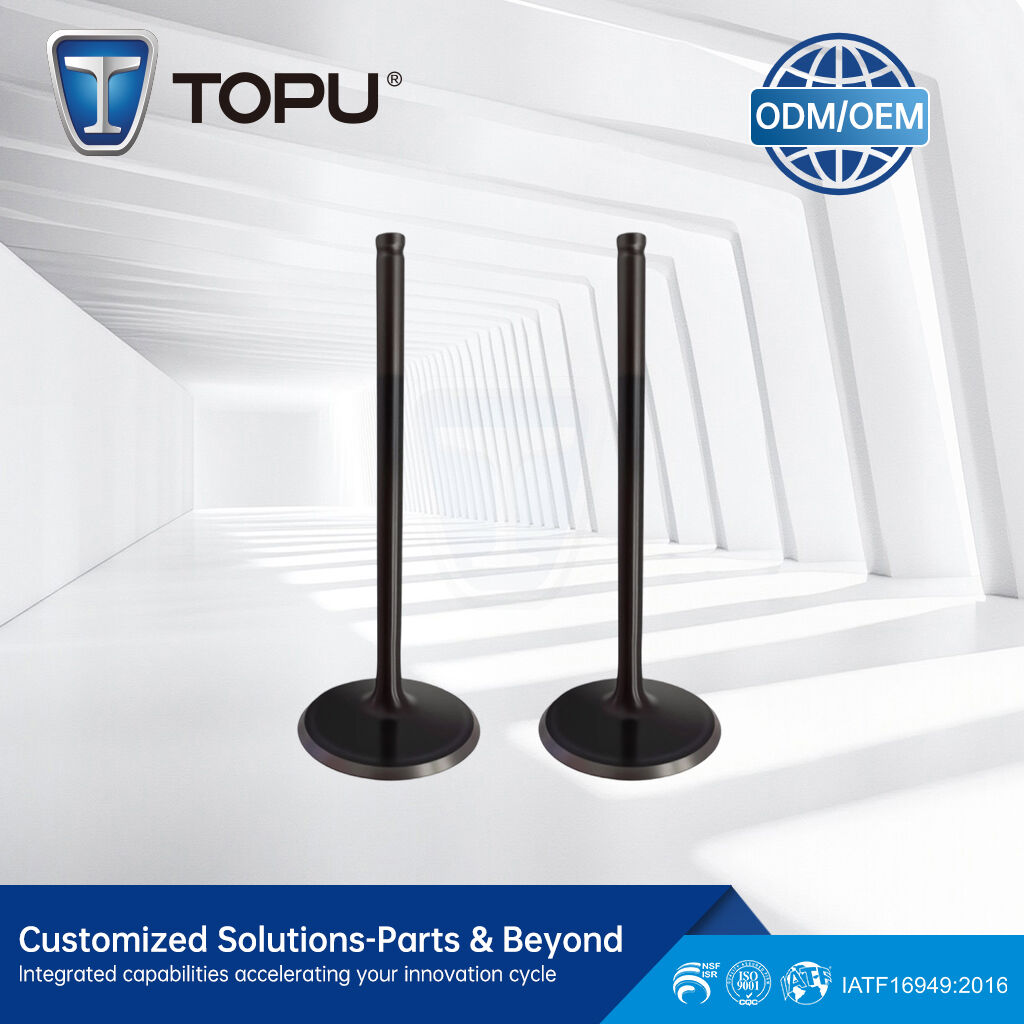
Когато разглеждам съвременните високопроизводителни двигатели, независимо дали става въпрос за изискващо състезателно превозно средство или за трудолюбиво комерсиално превозно средство, виждам, че механичните компоненти се изтласкват до пределите си. Разпределителният механизъм е симфония от прецизни части, работещи при високо налягане и температура, и е изключително важна част от двигателя. В случай на компания като Suzhou Topu Engine Parts Co., Ltd, която се специализира в инженерните процеси за производството на тези много важни части, посланието е ясно: дълготрайността не се отнася само за качеството на отделна част; дълготрайността е философия на обща загриженост.
Когато разглеждаме разпределителния механизъм, виждаме, че той се състои от отделни части: клапани, пружини, буталца, рокерни рамени и разпределителни валове – лесно е да се изкушиш да модифицираш само един елемент, например като поставиш по-качествена пружина за клапан, за да отстраниш проблем с производителността или издръжливостта. Въпреки това, тази стратегия обикновено е краткосрочна. Разпределителният механизъм е много взаимозависима система. Ролята и животът на всеки един елемент не могат да бъдат отделени от благополучието и функционалността на всички останали части.
Дори и най-добре изработеният разпределителен вал от добър доставчик може да е подложен на непредвидено износване поради лоша смазване. Дори клапани, изработени от високопрочен материал (за издържане на висока температура), могат да се повредят, ако водачите, по които се движат, не са напълно подравнени или са повредени. Пружината, която трябва да затвори клапана в правилния момент и с правилната сила, зависи от правилното функциониране на буталцето и от структурната якост на рокерното рамо.
Компанията Suzhou Topu Engine Parts Co., Ltd. разбира, че има роля в тази интегрирана цялостна система. Те не просто проектират по-добър клапан или пружина, а насочват своите инженерни усилия към интегрирането на своите компоненти в добре координиран и надежден елемент от системата на разпределителния вал като цяло. Надеждността се осъществява в истинския смисъл, когато всичко в системата е хармонизирано, вътрешните напрежения са минимизирани, а дълголетието се подпомага колективно.
Винаги когато помисля за екосистемата, с която работи разпределителният вал, осъзнавам, че тя достига много по-далеч от физическите елементи. Има четири външни фактора, които са от съществено значение за неговото здраве: масло, филтриране, настройка и навици при каране.
Разпределителният вал живее от маслото. То не само смазва, но и почиства, охлажда и защитава.
В случаите на високонапрегнати двигатели не си струва да икономисвате при използването на подходяща марка висококачествено масло с ефективни присадки против износване. Това масло трябва да запазва вискозитета си при високи температури, за да не се разрушава защитният слой между движещите се части и да се избягва контакт между метал и метал.
То е кръвта на този живот, която се поддържа чиста чрез филтриране. Необходим е високоефективен филтър, за да премахва микроскопични абразивни частици от маслото. Дори най-малките примеси ще действат като лапираща паста и рязко ще ускорят износването на ками, тласкачи и лагери в клапанния механизъм. Редовната употреба на висококачествени филтри е евтина застраховка за сравнително скъп двигател.
Тюнингът има директно механично влияние. Лошо настроен двигател може да работи твърде бедно (горещо) или моментът на запалване може да е неправилен и да причини детонация. Тази неконтролируема експлозия създава ударна вълна, която натоварва клапанния механизъм и оказва огромно налягане върху клапаните, пружините и седлата им. Нисък ход, професионална мелодия означава, че силите от горенето са укротени и предвидими.
Картината е пълна с навици при управление. Винаги да стартирате двигателя при червената линия, преди да се е затоплил правилно, или често студени стартове и веднага след това високи натоварвания, не дават възможност на маслото да циркулира правилно и ще доведат до преждевременно износване. Такива прости мерки като внимателно затопляне и охлаждане на двигателя след интензивна употреба се възнаграждават на дълга срока.
Когато се вземат предвид изискванията на ентусиастите, както и на мениджърите на паркове, наблюдаваме, че независимо дали сте ентусиаст по производителността, който обръща внимание на последната к.с., или мениджър на парк, загрижен за времето на работа и общата цена на притежание, концепцията тук е една и съща: комплексната стратегия е от решаващо значение. Това вече не е реактивен подход – поправка при повреда, а подход, обхващащ цялата система.
Този план означава сериозно ангажиране за Ентусиаста. Това е дейност по избиране на съвместими и качествени компоненти при всяка модернизация или ремонт, които са от добро качество и са извършени от проверени източници. Подразбира се, че е важно да се спазва точното време за смяна на маслото и филтрите и да се използват масла за филтри, предназначени за употреба с висока производителност. Това е инвестиция в професионална настройка и резултатната механична емпатия, която взема предвид инженерното решение вътре.
За експлоатанта на парк от превозни средства това холистично виждане е решаващ бизнес фактор. Надеждни резервни части, като тези на Suzhou Topu Engine Parts Co., ltd., трябва да бъдат стандартизирани и да осигуряват предвидимост. Важно е да се прилагат и спазват стриктни графици за поддръжка на целия парк, включително смяна на масло и филтри. Освен това, шофьорите трябва да бъдат обучавани за правилните навици при експлоатация: да не претоварват двигателя, да го стоплят правилно, да докладват за всички необичайни шумове и да позволяват на ръководителя да отстрани тези проблеми, преди да се превърнат в големи и скъпи повреди.
Категорично, докато предприемаме мерки да поддържаме разпределителния механизъм в работно състояние при двигател с високо напрежение, осъзнаваме, че това е сложна задача. Тя започва с качествени части, предназначени да функционират като система, и се осигурява чрез култура на всеобхватна грижа, включваща важността от смазването, филтрирането, интелигентната настройка и отговорното използване. С тази вградена философия вие не просто инвестираме в компоненти, а в дългосрочното здраве и представяне на целия двигател.
لیفتر سوپاپ پروفیل میل بادامک را دنبال میکند و حرکت آن را به سوپاپ موتور میرساند. تفاوت طراحیهای هیدرولیکی، مکانیکی، غلتکی، تخت و استکانی و روش تطبیق کاربری توسط TOPU را بررسی کنید.
БлогKlapan turtkichi taqsimlash valini kuzatib, uning harakatini dvigatel klapaniga uzatadi. Gidravlik, mexanik, rolikli, tekis yuzali va stakanli konstruksiyalar farqini hamda TOPU detalni to'g'ri qo'llanish bilan qanday moslashtirishini ko'ring.
БлогТолкатели клапан профили распредвалро пайгирӣ карда, ҳаракатро ба клапани муҳаррик мерасонад. Фарқи тарҳҳои гидравликӣ, механикӣ, роликдор, ҳамвор ва стаканшаклро омӯзед ва бубинед, ки TOPU татбиқи дурустро чӣ гуна мутобиқ мекунад.