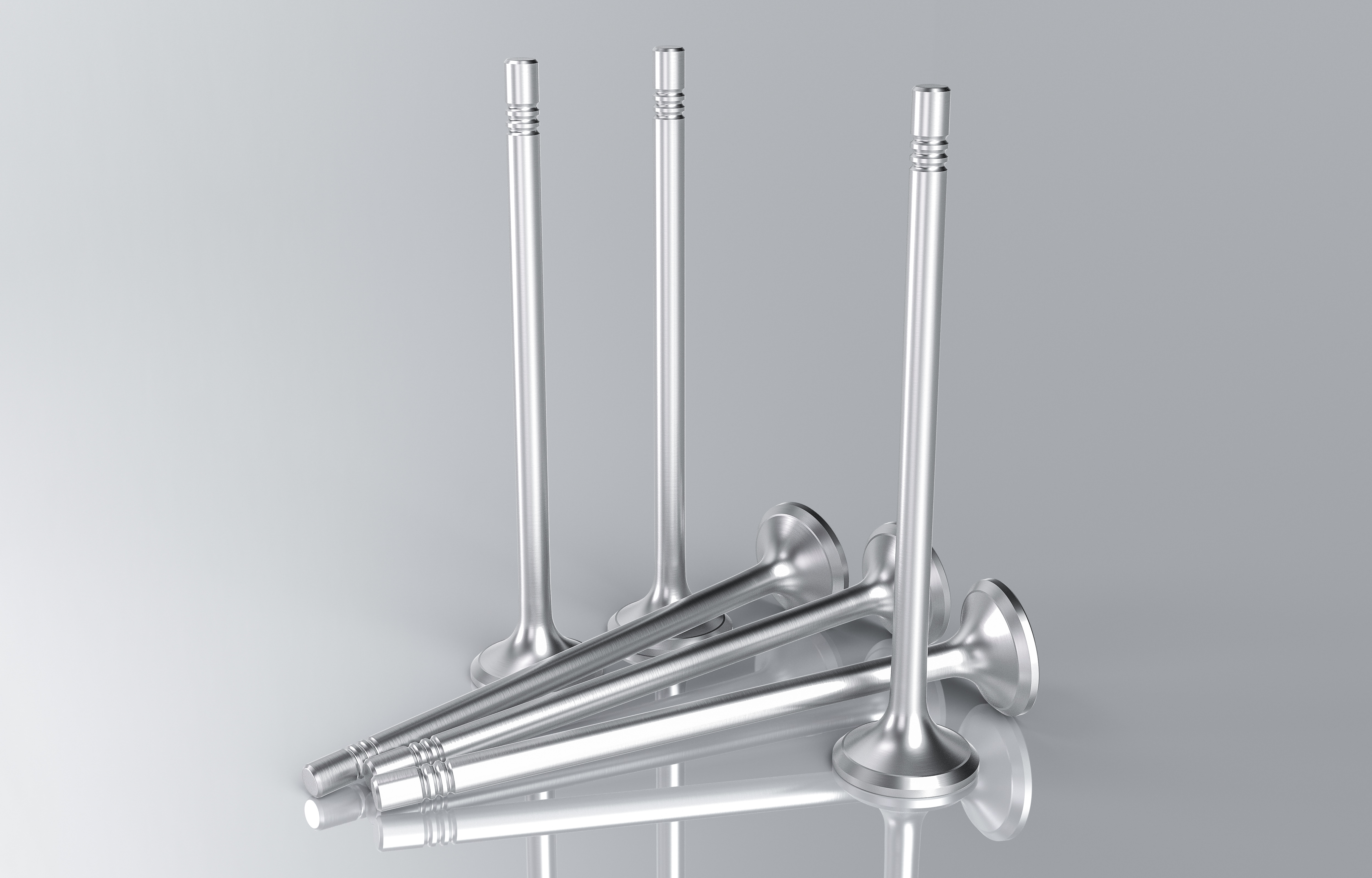
Ein spürbarer Verlust der Motorreaktionsfähigkeit oder ein plötzlicher Anstieg des Kraftstoffverbrauchs deuten nicht zwangsläufig auf einen dauerhaften mechanischen Defekt hin. Bei vielen modernen Fahrzeugen weisen sie lediglich auf starke Kohlenstoffablagerungen an den Einlassventilen hin.
Um zu verstehen, warum Ventile gereinigt werden müssen, ist es wichtig zu betrachten, wie moderne Motoren mit dem Innendruck umgehen. Das Kurbelgehäuseentlüftungssystem (PCV) leitet unverbrannte Öldämpfe vom Motorblock zurück in den Ansaugkrümmer, wo sie während der Verbrennung verbrannt werden.
Bei älteren Saugrohreinspritzmotoren wurde der Kraftstoff direkt über die Einlassventile gesprüht. Da Benzin ein ausgezeichnetes Lösungsmittel ist, spülte es die öligen Dämpfe kontinuierlich weg. Die meisten modernen Fahrzeuge verwenden jedoch Benzin-Direkteinspritzung (GDI). Bei einem GDI-System wird der Kraftstoff direkt in den Brennraum eingespritzt und umgeht dabei die Einlassventile vollständig. Ohne die ständige Reinigungswirkung des Benzins treffen die Kurbelgehäuseentlüftungs-Öldämpfe auf das extrem heiße Metall der Einlassventile und brennen sich zu harten, festen Kohlenstoffablagerungen ein. Über Zehntausende von Kilometern verdickt sich dieser Kohlenstoff und behindert den für eine optimale Verbrennung im Motor notwendigen Luftstrom.
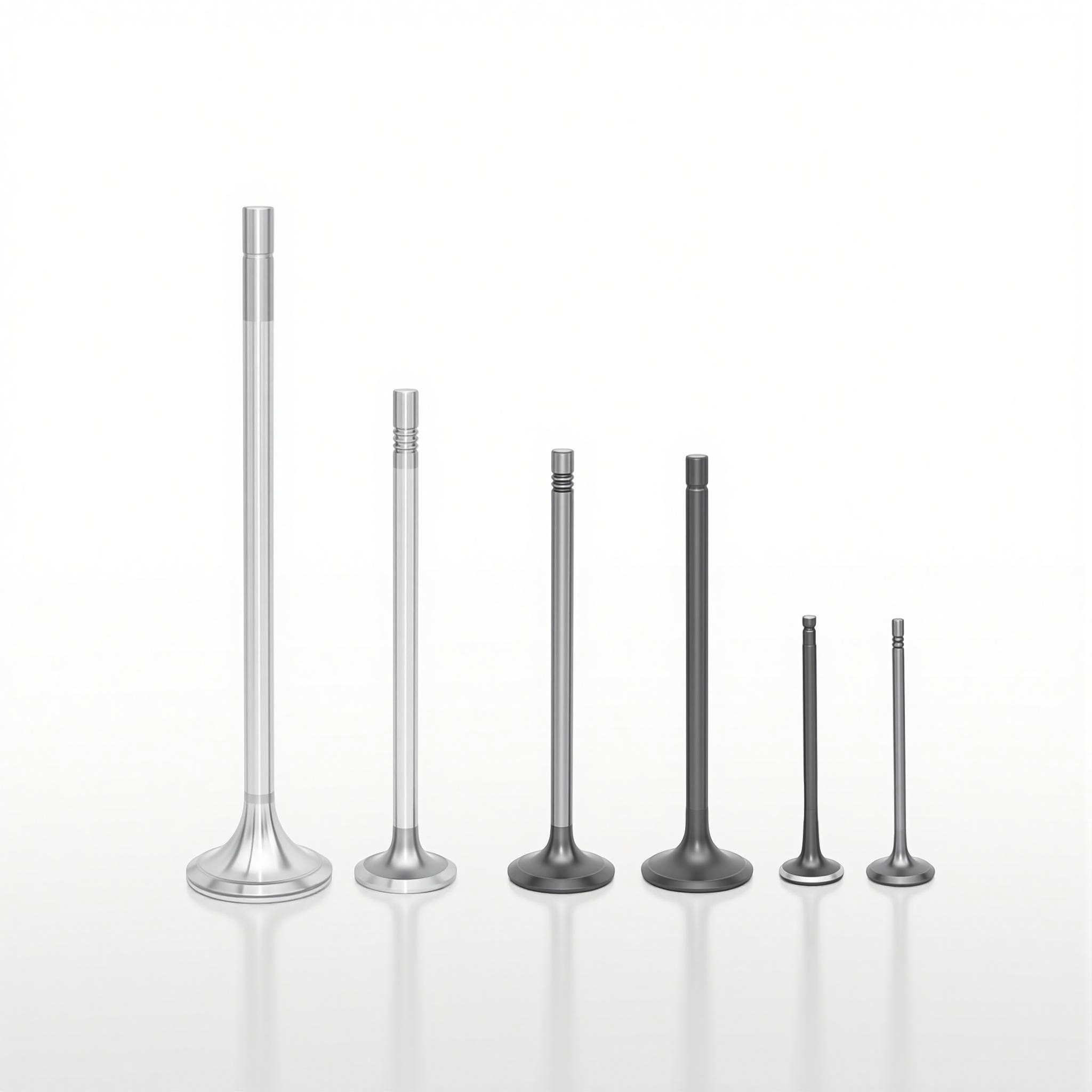
Symptome eines eingeschränkten Ventilluftstroms
Kohlenstoffablagerungen beeinträchtigen die Motorleistung allmählich. Da der Ansaugtrakt wie ein Lufttrichter funktioniert, zwingt jede feste Verstopfung den Motor dazu, mehr Energie für die Luftzufuhr aufzuwenden.
Das auffälligste Symptom ist unruhiger Leerlauf beim Kaltstart. Kalte Kohlenstoffablagerungen sind porös und wirken wie ein Schwamm, der das Kraftstoffgemisch vorübergehend aufsaugt, bevor es den Brennraum erreicht. Dies führt zu einem zu mageren Kraftstoff-Luft-Gemisch, wodurch der Motor stottert oder ruckelt, bis er Betriebstemperatur erreicht hat.
Mit zunehmenden Ablagerungen beschleunigt das Fahrzeug langsamer und der Kraftstoffverbrauch steigt spürbar an. In schweren Fällen können verhärtete Kohlenstoffablagerungen verhindern, dass die Einlassventile dicht schließen. Dieser Kompressionsverlust veranlasst das Motorsteuergerät, den Fehlercode P0300 (Zündaussetzer) zu speichern und die Motorkontrollleuchte aufleuchten zu lassen.
Bewährte Methoden zur Reinigung von Motorventilen
Wenn sich zu viel Kohlenstoff abgelagert hat, ist ein physikalischer oder chemischer Eingriff erforderlich. Im Folgenden werden die drei wichtigsten Methoden zur sicheren Reinigung von Motorventilen beschrieben.
1. Reinigung der Chemikalienansaugung (leichte bis mäßige Ablagerungen)
Bei Fahrzeugen mit beginnenden Kohlenstoffablagerungen sind chemische Ansaugreiniger eine äußerst wirksame Wartungsmaßnahme. Im Gegensatz zu flüssigen Kraftstoffadditiven, die in den Tank gefüllt werden (und bei einem GDI-Motor nie mit den Ventilen in Berührung kommen), werden diese Aerosol-Lösungsmittel bei laufendem Motor direkt in den Ansaugkrümmer gesprüht.
Das chemische Lösungsmittel legt sich wie ein Film auf die Einlassventile und löst die Molekülbindungen des weichen Kohlenstoffschlamms. Während des Motorlaufs wird der gelöste Kohlenstoff in den Brennraum gesaugt und über die Abgasanlage sicher verbrannt. Diese Methode ist relativ kostengünstig und eignet sich am besten als vorbeugende Maßnahme alle 20.000 bis 30.000 Meilen (ca. 32.000 bis 48.000 km).
2. Walnuss-Strahlen (starke Ablagerungen)
Sind Kohlenstoffablagerungen zu steinharten Krusten erstarrt, sind chemische Sprays in der Regel wirkungslos. Bei starken Ablagerungen ist das Strahlen mit Walnussschalen der Industriestandard.
Bei diesem Verfahren demontiert ein Techniker den Ansaugkrümmer, um die Ventile direkt freizulegen. Mithilfe einer speziellen Druckluftanlage werden zerkleinerte Walnussschalen in die Ventilkanäle gestrahlt. Walnussschalen besitzen eine einzigartige physikalische Eigenschaft: Sie sind abrasiv genug, um selbst hartnäckige Kohlenstoffablagerungen vollständig abzutragen, aber gleichzeitig weicher als die Aluminium- und Stahlkomponenten des Motors. Dadurch wird sichergestellt, dass die Kohlenstoffablagerungen entfernt werden, ohne die Ventilschäfte oder den Zylinderkopf zu beschädigen. Anschließend wird das restliche Strahlmittel abgesaugt, wodurch der werkseitige Luftdurchsatz sofort wiederhergestellt wird.
3. Manuelle Lösungsmittel und Abkratzen (Motorzerlegung)
Wenn der Motor stark vernachlässigt wurde oder der Zylinderkopf bereits für umfangreiche Ventilreparaturen demontiert ist, kommt die manuelle Reinigung zum Einsatz. Die Techniker weichen die verhärteten Ventile mehrere Stunden lang in hochkonzentrierten chemischen Lösungsmitteln (wie z. B. B-12 Chemtool) ein, um die Kohlenstoffablagerungen zu lösen. Die verbleibenden Ablagerungen werden anschließend sorgfältig mit Messingbürsten und speziellen Werkzeugen entfernt. Obwohl dieses Verfahren arbeitsintensiv ist, gewährleistet es eine gründliche Reinigung, wenn der Motor ohnehin zerlegt ist.
Strategien zur vorbeugenden Instandhaltung
Während Kohlenstoffablagerungen in GDI-Motoren aufgrund ihrer Bauart weitgehend unvermeidlich sind, können die Besitzer den Ansammlungsprozess deutlich verlangsamen.
Die Verwendung von hochwertigem synthetischem Motoröl mit geringer Verdunstung ist entscheidend, da Premiumöl bei hohen Temperaturen weniger Dämpfe über das Kurbelgehäuseentlüftungssystem (PCV-System) abgibt. Zusätzlich bietet der Einbau eines Ölabscheiders eine physische Falle für diese Dämpfe, bevor sie in den Ansaugkrümmer gelangen. Schließlich ermöglicht gelegentliches Fahren mit Autobahngeschwindigkeit dem Motor, optimale Betriebstemperaturen zu erreichen, wodurch kleinere, lose Kohlenstoffablagerungen auf natürliche Weise verbrannt werden, bevor sie sich verfestigen.
Verbessern Sie Ihre Motorüberholung mit hochwertigen TOPU-Ventiltriebteilen
Wenn starke Kohlenstoffablagerungen eine professionelle Demontage des Zylinderkopfes erforderlich machen, ist die Inspektion und der Austausch beschädigter Innenteile für eine vollständige Motorrestaurierung von entscheidender Bedeutung.
Als führender B2B-Hersteller im Automobilbereich ist TOPU auf Motorenventile und Ventilstößel in Erstausrüsterqualität spezialisiert, die für höchste Hitzebeständigkeit und optimalen Luftdurchsatz entwickelt wurden. Ob Wartung eines gemischten Fuhrparks oder Überholung eines Hochleistungsmotors – mit TOPU entscheiden Sie sich für dauerhafte, leckagefreie Zuverlässigkeit. Kontaktieren Sie unser Team noch heute und entdecken Sie unseren Katalog an Präzisionsmotorkomponenten.