Our Products
Valve Tappets
Premium hydraulic and mechanical valve lifters engineered for optimal valve train performance, durability, and quiet operation.
VALVE TAPPETS
Valve tappets transfer cam motion to the engine valve, ensuring precise valve timing and optimal engine performance.
High-quality valve tappets help maintain engine efficiency and reduce wear on the valve train components.
Integrated Components
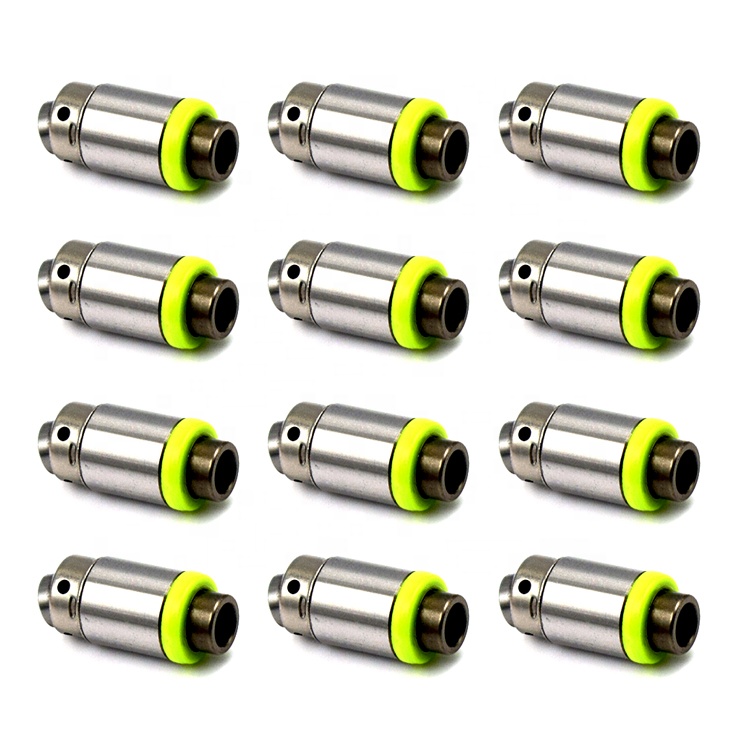
Our valve tappets and rocker arms are developed as a matched system, designed to support overall valvetrain stability and long-term operation. By aligning critical dimensions, material characteristics and surface treatments, both components work together to achieve reduced friction and consistent motion under real operating conditions. This integrated solution supports a wide range of engine platforms and is suitable for OEM programs from validation through mass production, ensuring reliable performance over time.
DLC Coated Valve Tappets — Built for High Load and Low Friction
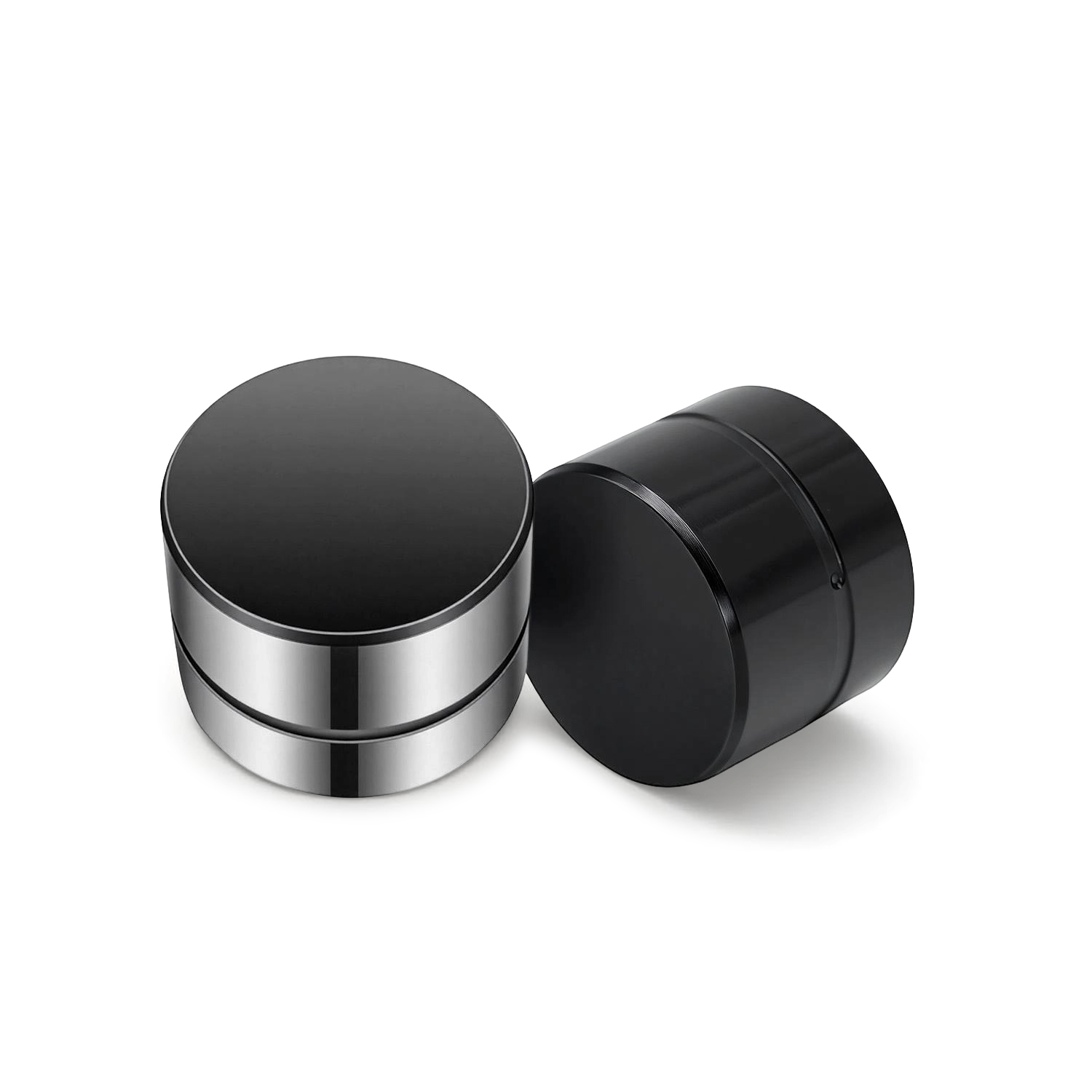
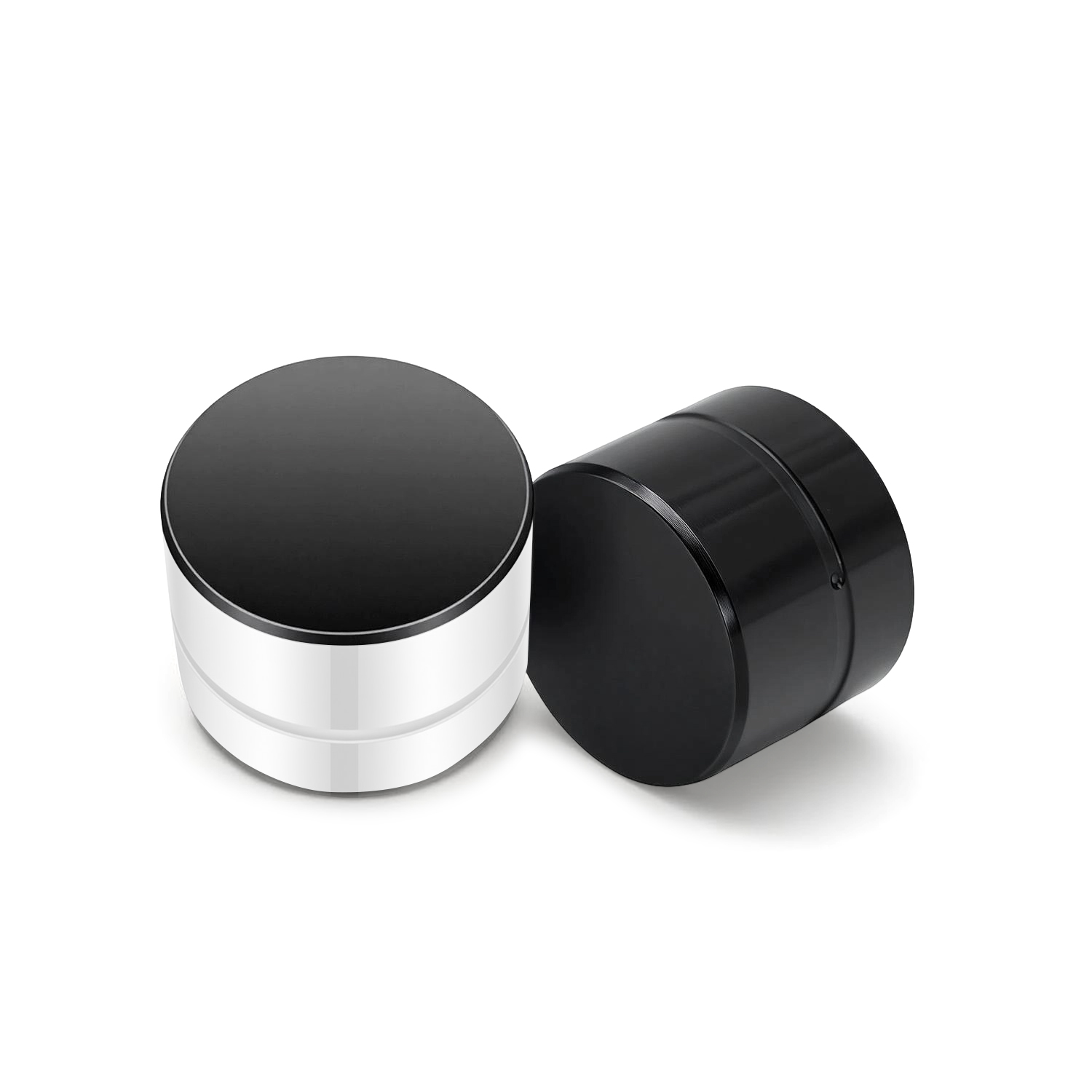
DLC coated valve tappets significantly reduce friction between the tappet and camshaft.
The ultra-hard, low-friction coating enhances surface durability and improves scuffing resistance.
DLC coated tappets are ideal for engines requiring reduced friction losses and extended service life.
Customized Valve Tappet Development
We provide tappet development support based on engine structure, cam profile, and operating conditions.
From prototype validation to stable mass production, we assist customers in selecting appropriate structures.
Product Categories
Browse by Type
Engineered for Stability and Consistency
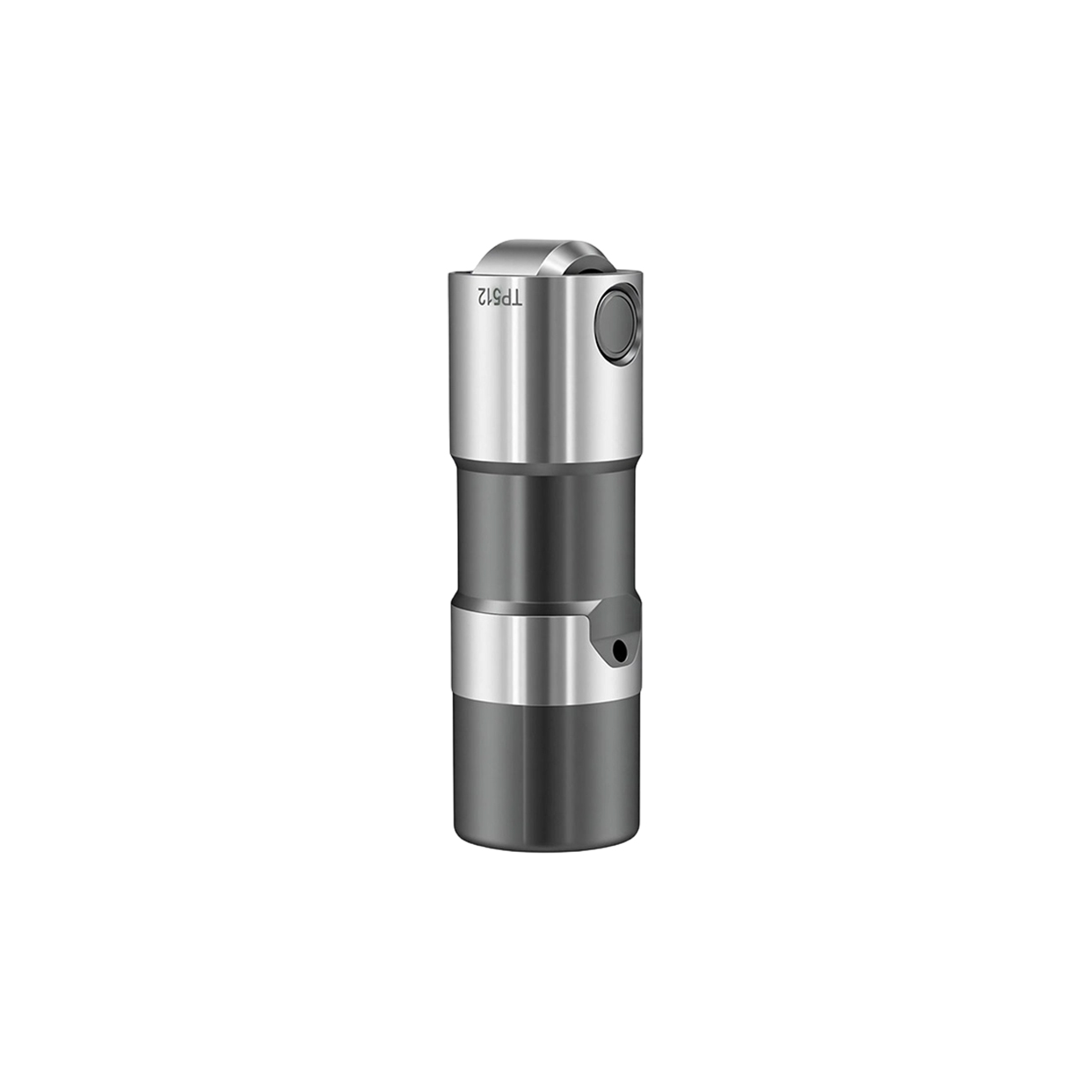
Valve tappets operate at extremely high frequencies and endure continuous contact stress.
Our focus lies in process control, dimensional consistency, and surface reliability.
Industry Insights
Explore in-depth articles on valve tappet technology, specifications, manufacturing processes, and industry applications.
What Does a Valve Lifter Do in an Engine?
Valve lifters sit between the camshaft and valvetrain, converting rotational cam motion into linear valve movement. Choosing the right lifter type — hydraulic, mechanical, roller, or flat tappet — directly affects engine noise, maintenance, and RPM capability. This guide helps you pick the correct lifter for your application and find a reliable OEM supplier.
How to Adjust Mechanical Valve Lifters?
Mechanical (solid) lifters offer precise high-RPM valve control for racing and performance engines, but they require periodic valve lash adjustment. This guide covers the adjustment process, common specs, and how choosing the right lifter supplier affects long-term engine reliability.
What Is the Difference Between Hydraulic and Mechanical Lifters?
Choosing between hydraulic lifters and mechanical lifters fundamentally changes the way an engine sounds, revs, and requires maintenance. We pit these two classic valvetrain giants against each other so you can spec the perfect build.
Do Modern Engines Still Have Tappets?
A top-of-funnel educational breakdown tracing the historical evolution of the engine tappet. We explain the definition, varying terminologies, and why advanced DOHC bucket tappets rule modern engine production.
Ready to Get Started?
Contact our engineering team to discuss your valve tappet requirements.