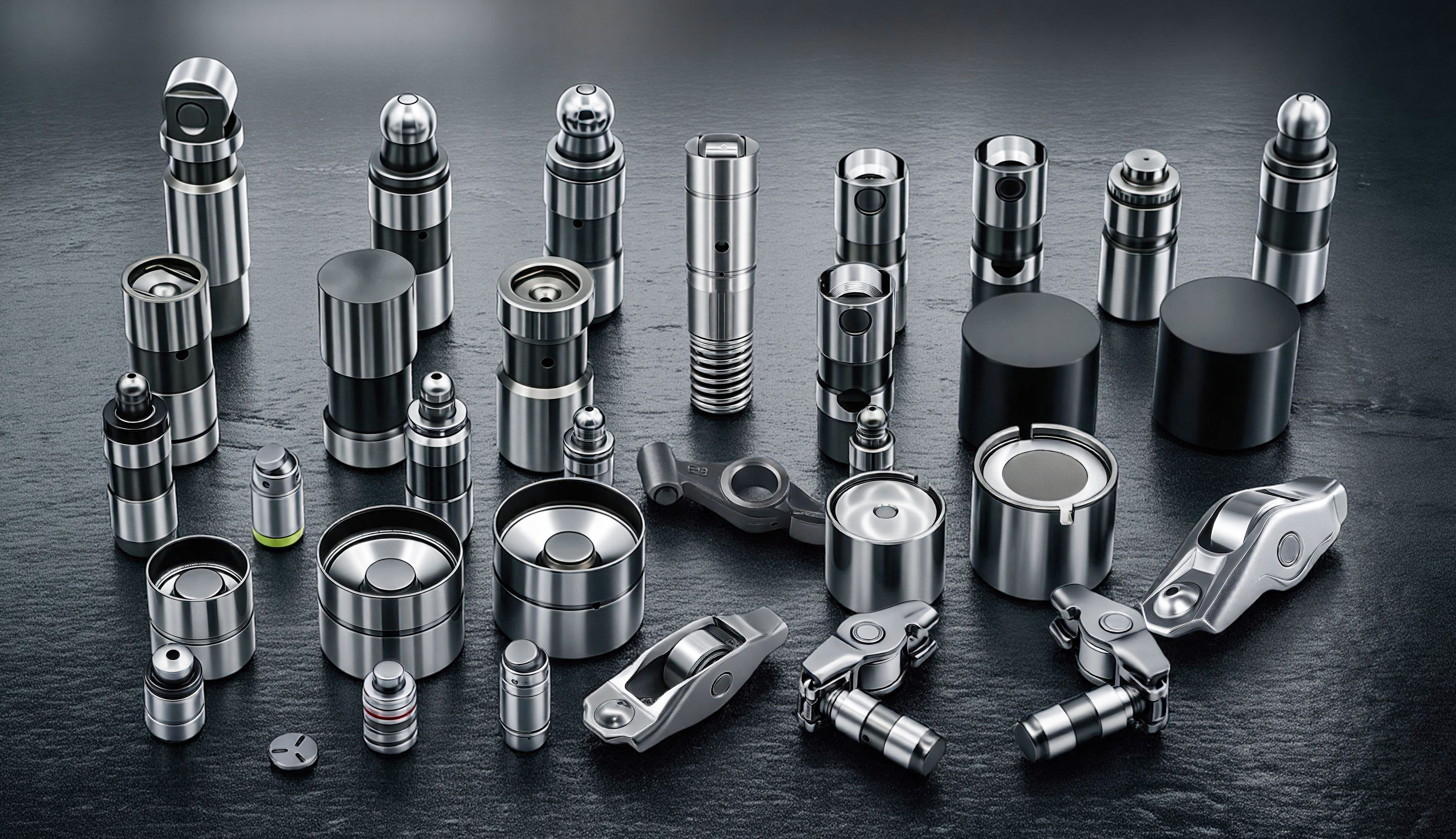
What is a Valve Tappet?
Before we look at the cutting edge of modern automotive engineering, we need to answer the most basic question: what is a tappet?
The valve tappet definition is wonderfully simple: It is the mechanical component inside an internal combustion engine that sits between the spinning camshaft and the engine valves. As the egg-shaped lobe of the camshaft spins around, it pushes against the tappet. The tappet then transfers that push to ultimately force the engine valve open to let air in or exhaust out.
The bizarre name “tappet” originated over a century ago. In early automotive designs, these crude metal slugs literally "tapped" aggressively against the metal valves, creating a loud, rhythmic clicking noise.
Are Valve Tappets Also Known As Lifters?
If you are a global auto parts distributor sourcing components cross-borders, terminology can get extremely confusing. Depending on who you ask or what country you are in, a tappet goes by many different names. So, what is a tappet also known as?
Valve Lifter: The primary phrase used in North America, named because it historically "lifts" the pushrods in classic V8 engines.
Cam Follower: A more engineering-accurate term favored in Europe, because the component literally "follows" the profile of the camshaft.
Bucket: Used for modern overhead cam engines, referring to tappets shaped exactly like an upside-down drinking cup.
Why Modern Engines Still Need Tappets
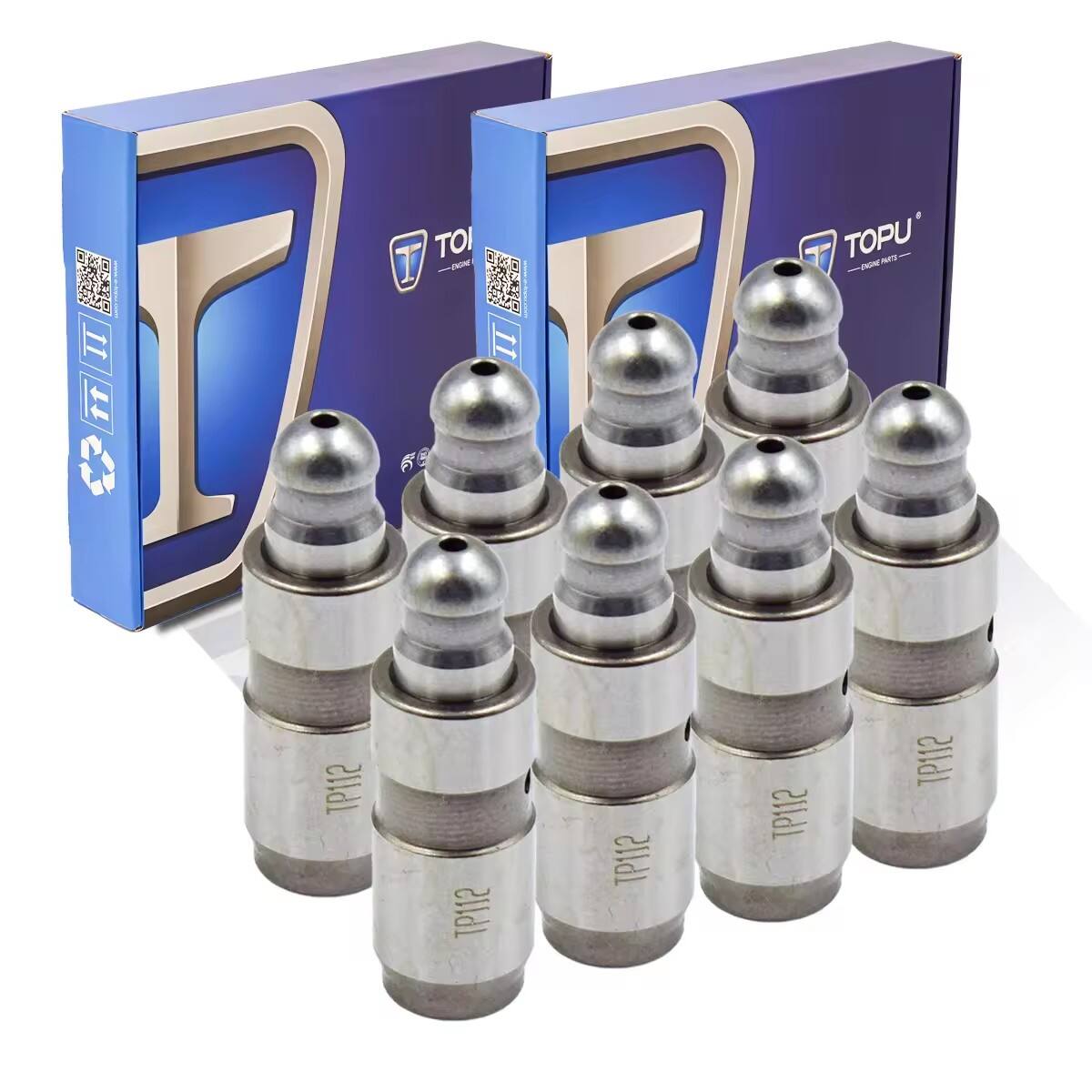
This brings us to a highly popular question among new mechanics: do modern engines have tappets?
The short answer is: Yes, absolutely. Every traditional combustion engine driving on the road today uses a tappet. However, if an old-school mechanic from 1960 looked inside the engine of a brand-new 2026 vehicle, they would not recognize them.
The traditional "lifter" used in old pushrod engines (like the classic Chevy LS or old Ford V8s) was a massive, heavy, pen-sized metal cylinder deeply buried inside the engine block. Finding them required tearing half the engine apart. Today's modern engines use highly advanced Overhead Camshaft (OHC) designs, meaning the camshafts sit at the very top of the engine perfectly over the valves, mandating a completely new tappet style.
The Evolution into the Bucket Tappet
Modern automakers like Toyota, Volkswagen, and Ford EcoBoost platforms primarily utilize the Direct-Acting Bucket Tappet.
Instead of a heavy layout of pushrods and rocker arms, a bucket tappet is a lightweight, wide metal thimble that sits upside down directly over the valve spring. The camshaft sits directly on top of the bucket.
Why Modern Engines Prefer This Design:
Fewer Moving Parts: By deleting the heavy pushrods and rocker arms, there is significantly less mass and less friction.
Massive RPM Potential: A lighter valvetrain can rev much faster completely safely, allowing smaller modern engines to hit 7,000+ RPM and generate more horsepower.
Low Maintenance: Many modern buckets are solid, utilizing microscopic shims (or advanced DLC coatings) set at the factory to run perfectly for 200,000 miles without ever needing a noisy mechanical lifter adjustment.
External Reference: Automotive engineering portals like MotorTrend explain that while historic pushrod engines utilized heavy traditional lifters, the massive global shift to Overhead Camshaft (OHC) designs required engineers to invent lightweight, high-RPM direct bucket tappets.
Contact TOPU for Comprehensive Valvetrain Solutions
Understanding the differences between a bulky vintage American lifter and a micro-polished modern Asian bucket tappet is critical for any serious auto parts supplier.
TOPU is an IATF 16949 globally certified automotive valvetrain manufacturer. Whether your distribution network requires heavy-duty hydraulic lifters for commercial pushrod diesels, or ultra-precise DLC-coated bucket tappets for late-model OEM replacement, we possess the automated CNC facilities to deliver zero-defect perfection. Explore the full TOPU catalog today to secure your B2B supply chain.