If you took the valve tappet out of an American V8 engine and tried to install it into a Japanese commuter car, the engine would violently destroy itself in seconds.
While the fundamental job of a tappet—transferring motion from the camshaft to the engine valves—is universal, the actual physical engineering of the component varies wildly between automakers. Global giants like Toyota, BMW, and Volkswagen have spent decades developing highly proprietary, manufacturer-specific valvetrain geometries to squeeze maximum efficiency and horsepower from their engines.
For B2B wholesale buyers, major automotive engine parts suppliers, and large-scale engine rebuild hubs, stocking the correct components requires a deep understanding of these specific platform differences. Let's break down the unique valve tappet applications across the world's most dominant engine platforms.
Valvetrain engineering overviews from Automotive News showcase that top-tier automotive engine parts suppliers must radically shift their machining strategies to match automaker platform blueprints, transitioning from Toyota's solid DLC buckets to BMW’s internal hydraulic oil adjusters.
Toyota Custom Valve Tappet Requirements
When you think of Toyota, you think of absolute bulletproof reliability. To achieve engines that effortlessly sail past 300,000 miles without skipping a beat, Toyota engineers historically favored a highly specific tappet style: the direct-acting mechanical bucket tappet (solid lifter).
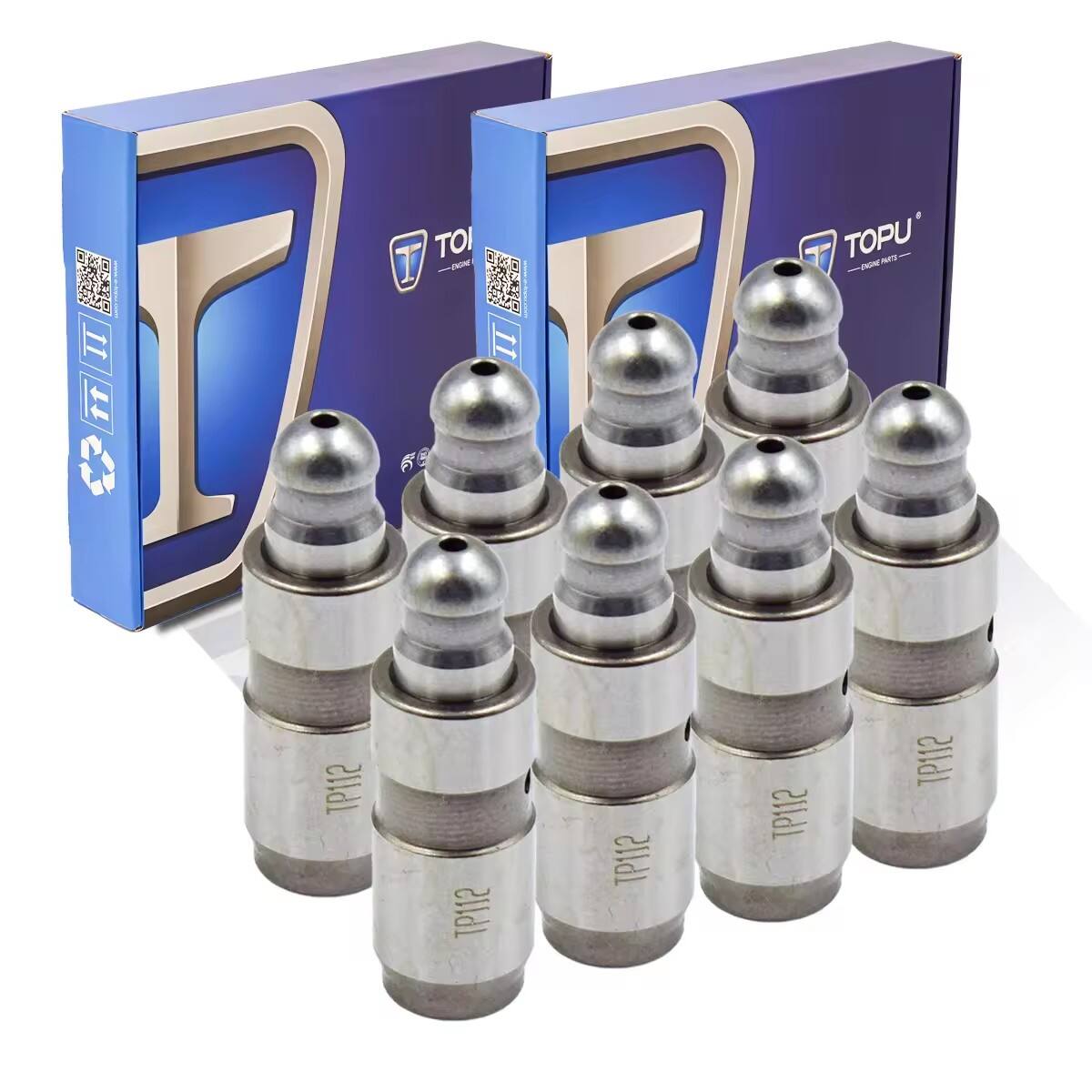
Found massively in legendary high-volume engines like the 2GR-FE (V6) and the 1NZ-FE (Inline-4), these tappets sit directly upside down over the valve spring like a steel drinking cup. Because Toyota skips using complex hydraulic lifters in these platforms, there are zero internal check valves to clog with sludge, massively boosting long-term reliability.
The downside? They require microscopic factory precision. Since there is no hydraulic cushion, the gap must be set at the factory using tappets of varying microscopic thicknesses. Modern Toyota custom valve tappet applications are also heavily reliant on advanced DLC (Diamond-Like Carbon) surface coatings. This black, aerospace-grade coating drops friction dramatically, allowing the engine to utilize thinner 0W-20 engine oils for extreme fuel economy.
BMW Hydraulic Valve Tappet Requirements
BMW’s engineering philosophy revolves around "The Ultimate Driving Machine." To achieve smooth, aggressively responsive power in platforms like the legendary N52, N54, and modern B58 inline-6 engines, BMW engineers utilize highly sophisticated valvetrains.
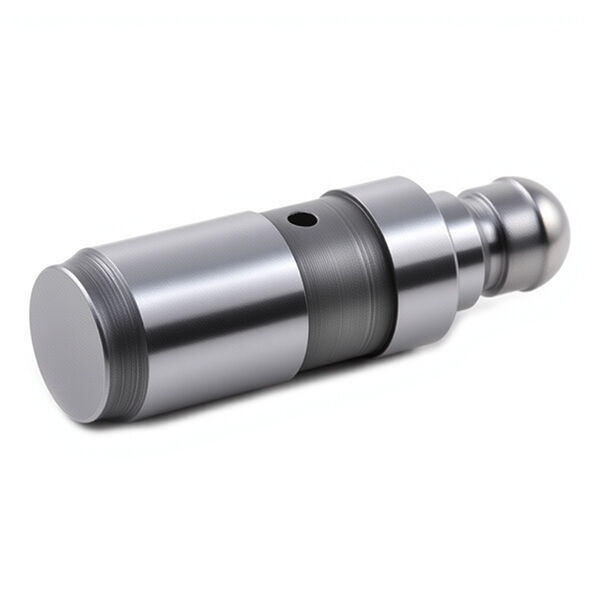
Unlike Toyota's direct bucket approach, BMW heavily utilizes precisely engineered Hydraulic Valve Adjusters (HVAs), often nested deeply inside pivot rocker arms (finger followers). These tiny hydraulic lifters utilize pressurized engine oil to constantly adjust themselves, guaranteeing that the valvetrain stays absurdly quiet and responsive, even when the driver revs the engine past 7,000 RPM on the Autobahn.
However, these BMW hydraulic tappets are exceptionally sensitive to oil pressure and oil quality. If a driver skips oil changes on a BMW, the tiny internal check-valves in the lifter will instantly clog or bleed down, resulting in the notorious "BMW N52 lifter tick." A premier supplier sourcing these parts must guarantee flawless micron-level grinding on the internal plunger to ensure the oil pressure never rapidly bleeds out.
VW and Audi Hydraulic Bucket Requirements
Volkswagen Group (VAG), which produces everything from the ubiquitous EA888 2.0T inline-4 to massively complex V6 and V8 engines, loves to use the Direct-Acting Hydraulic Bucket tappet.
This design is a fascinating engineering hybrid. It looks externally identical to the solid metal "drinking cup" style buckets used by Toyota, but heavily features a complex hydraulic self-adjusting plunger hidden deep inside the central pillar of the bucket.
This design allows VW/Audi engines to rev quickly and quietly without ever needing manual valve lash adjustments. It perfectly accommodates the aggressively variable camshaft timing layouts required for their famous turbocharged platforms. Because the entire top surface of the bucket is violently smashed by the turbo-camshaft, sourcing these buckets requires verifying that the factory utilizes intense induction hardening to protect the metal face from scuffing and permanent galling.
Sourcing Manufacturer-Specific Valvetrains
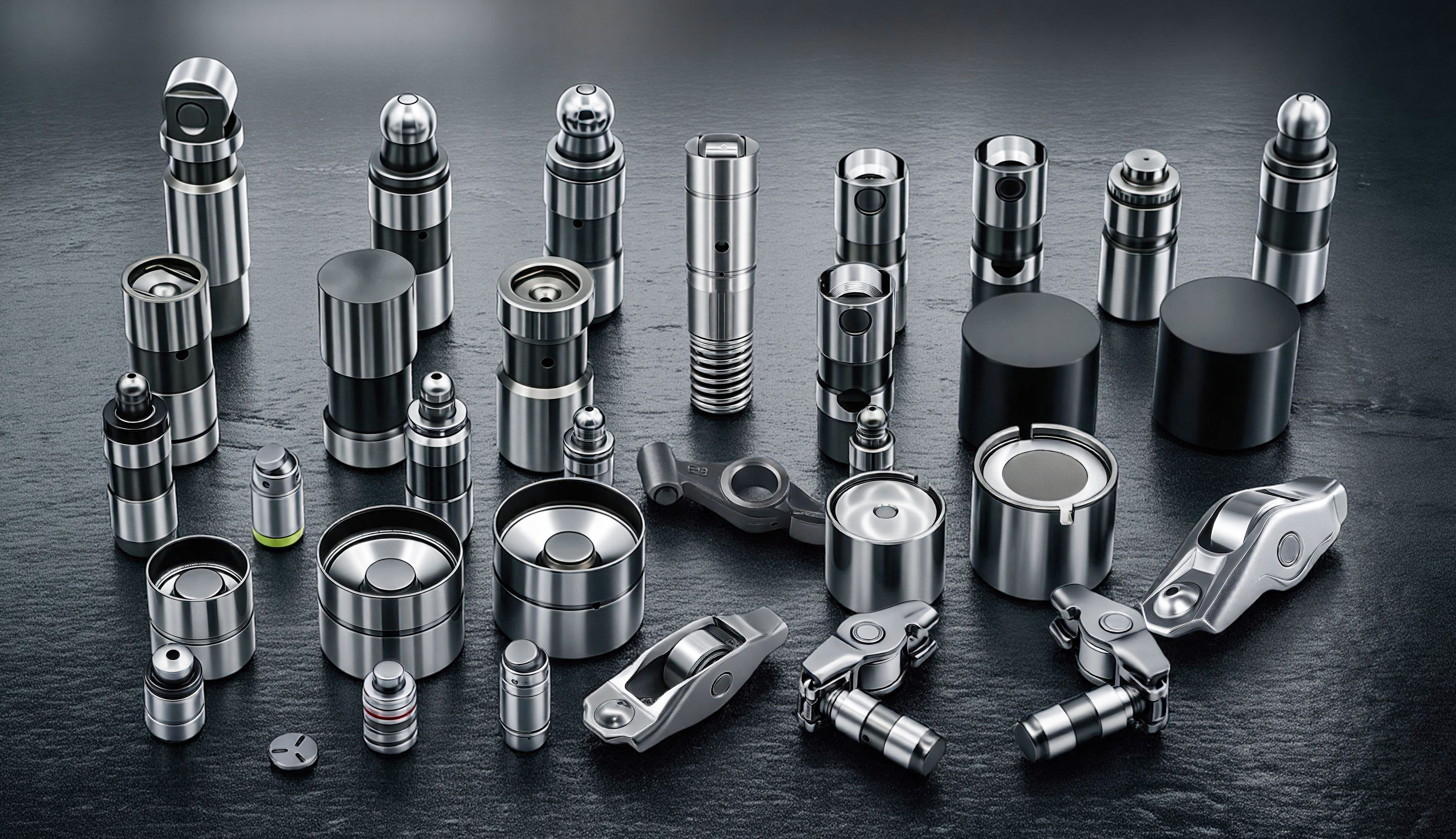
Stocking your distribution warehouse with generic, poorly machined tappets is the fastest way to trigger catastrophic warranty claims across all of your European and Japanese mechanic clients.
The secret to conquering the aftermarket is utilizing an automotive engine parts supplier that genuinely understands OEM-specific geometry and surface treatments.
TOPU is an IATF 16949 globally certified automotive manufacturer specializing in precision valvetrain components. We possess the massive CNC capabilities and advanced surface metrology required to manufacture flawless direct-acting buckets, complex hydraulic adjusters, and DLC-coated performance platforms designed specifically for Toyota, BMW, and VW architectures.
Whether you need massive runs of standard OEM-replacement lifters or heavily engineered custom valve tappet blueprints for specialized performance rebuilds, reach out to TOPU today to lock in a genuinely world-class supply chain.