The True Role of Performance Lifters
When petrolheads begin searching for ways to squeeze more speed out of their engines, they often look into upgrading the valvetrain. A very common question that gets asked on tuning forums is: do performance lifters increase horsepower?
To give you the honest engineering truth: No, lifters do not "create" horsepower.
Unlike bolting on a turbocharger, swapping your exhaust, or adding a high-lift camshaft, a lifter does not actively push extra air or fuel into the engine cylinder. A valve lifter is simply a transfer component. Its sole job is to faithfully transmit the exact motion of the camshaft up into the engine valves.
So, if a lifter doesn't actively generate horsepower, why do professional builders spend thousands of dollars on expensive performance lifters?
Why Standard OEM Lifters Fail at High RPM
The secret to generating massive horsepower is RPM. The faster your engine spins, the more air it breathes, and the more power it makes. However, spinning an engine at 7,000 RPM places terrifying stress on standard factory components.
A standard hydraulic lifter utilizes a tiny internal cushion of pressurized oil to keep the valvetrain running quietly. But when you push the engine past 6,000 RPM, two catastrophic failures can happen to a cheap OEM lifter:
Lifter Pump-Up: The rapid motion forces too much oil into the lifter plunger, causing it to hyper-extend. The lifter structurally acts like a solid brick, accidentally holding your engine valves slightly open when they should be closed. The engine instantly loses compression and chokes.
Valve Float: The heavy internal components of a cheap lifter simply cannot keep up with the violent speed. The lifter physically "launches" off the camshaft lobe, creating a terrifying condition known as valve float, which severely damages the engine.
How High Performance Lifters Stop Valve Float
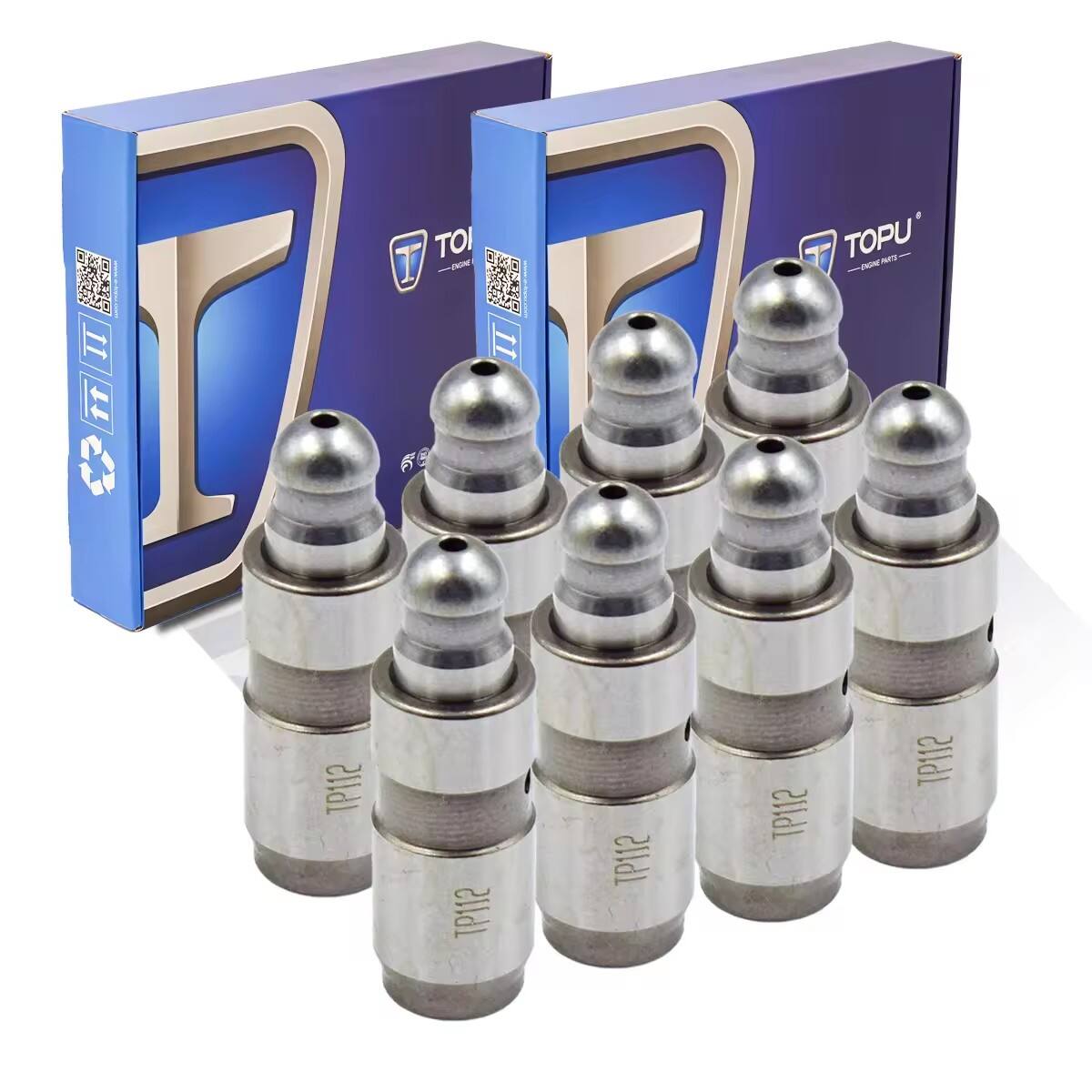
This is where high performance lifters become absolutely mandatory. They do not add power; they prevent the engine from losing power at the redline.
High-quality performance lifters are re-engineered from the ground up:
Anti-Pump-Up Technology: They utilize specialized internal valving and ultra-tight CNC tolerances that explicitly control how fast oil bleeds out. This perfectly prevents the lifter from hyper-extending, even at 7,500 RPM.
Extreme Durability: To prevent valve float, tuners MUST install incredibly stiff, heavy-duty valve springs. A cheap lifter will instantly crush under this pressure. Performance lifters are forged from hardened alloys to easily endure heavy spring weights without collapsing or scuffing the camshaft.
Are They Worth the Investment for LS Engines?
If you are daily driving a standard minivan, installing high performance lifters is a total waste of money.
However, if you are building an aggressive street car—like installing a hot camshaft into an LS V8—upgrading your system with LS performance lifters is non-negotiable. If you install an aggressive racing camshaft but leave the factory 150,000-mile lifters in the engine block, the system will reliably fail under heavy acceleration.
Upgrade with TOPU Precision Components

When building engines designed to operate at the absolute physical limits, you cannot gamble on mid-tier manufacturing. TOPU is an IATF 16949-certified global tier-1 valvetrain supplier. We engineer and manufacture premium mechanical lifters and sophisticated anti-pump-up hydraulic lifters capable of withstanding massive competition pressures. Contact TOPU today to secure world-class valvetrain technology for your distribution roster.