Engineers have spent over a century trying to defeat the greatest enemy of internal combustion: friction. Inside the top of your engine, the metal components are locked in a violent, high-speed battle.
Nowhere is this friction more damaging than at the contact point between the spinning camshaft and the valve tappet (lifter). This metal-on-metal sliding action handles immense pressure as it forces the engine valves open against heavy steel resistance springs. Traditionally, if the engine oil gets too hot, too thin, or too dirty, the camshaft rapidly scuffs and destroys the top of the tappet.
To solve this for extreme use cases, a top-tier tappet manufacturer reaching for the ultimate level of durability now utilizes an aerospace-grade solution: Diamond-Like Carbon (DLC). Let's explore exactly why DLC coated valve tappets are revolutionizing high-load engine builds and commercial longevity.
What is Diamond-Like Carbon (DLC)?
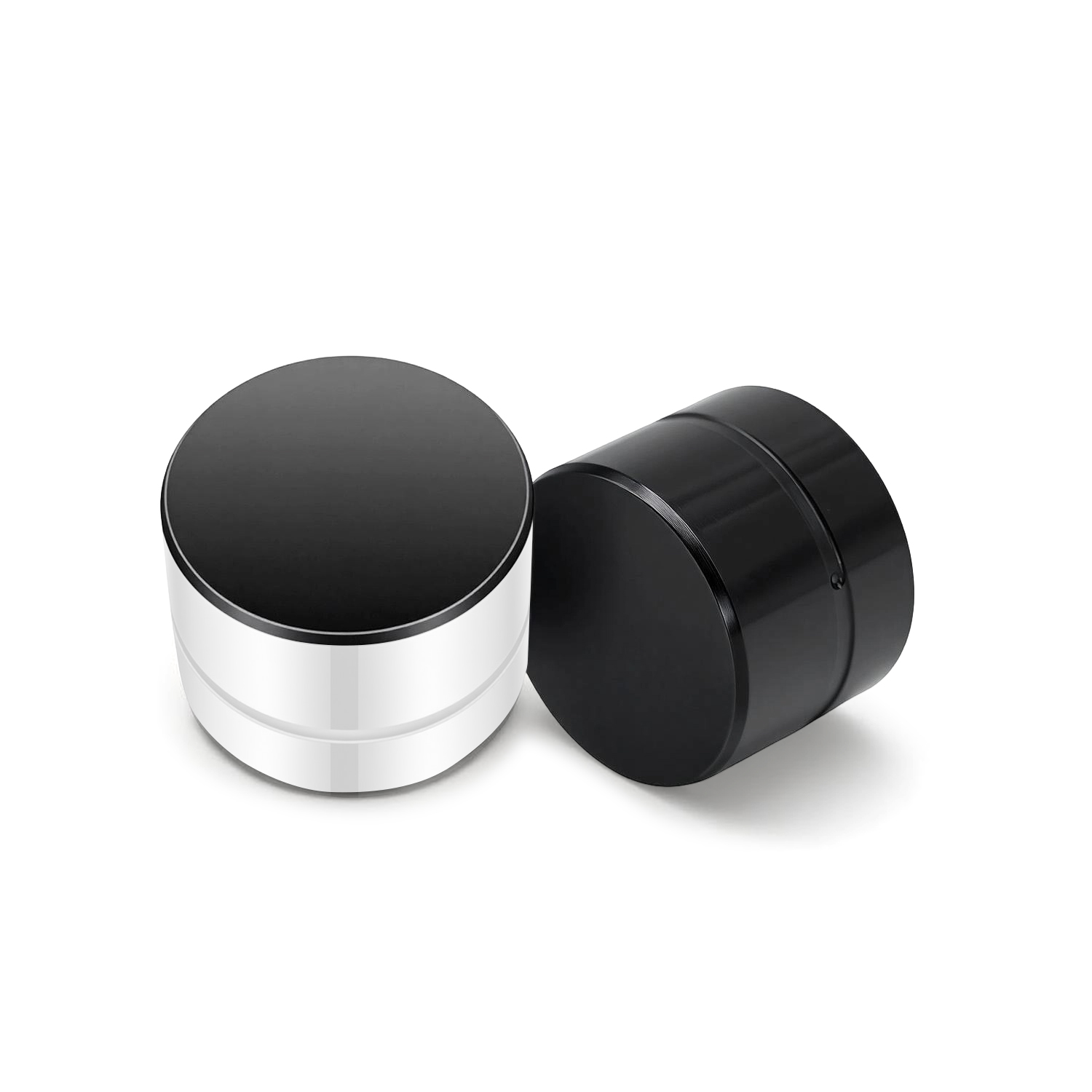
Most people think of diamonds purely as jewelry. But to an engineer, a diamond represents the ultimate structural material. It is the hardest naturally occurring substance on earth and inherently possesses an incredibly low coefficient of friction.
DLC (Diamond-Like Carbon) is a specialized nanocomposite coating that takes the most desirable properties of real diamond—extreme hardness, massive wear resistance, and high slickness—and chemically bonds it directly into the surface of metal automotive parts.
Unlike traditional methods like a basic nitride coating or chrome plating (which just harden the steel), a DLC coating transforms the very surface of the tappet. Applied inside high-tech vacuum chambers using Chemical Vapor Deposition (CVD), the resulting black, glassy finish isn't just a physical layer; it chemically bonds with the steel. The final coating is usually only a few microscopic microns thick, yet it mathematically triples the lifespan of the valvetrain.
Valvetrain engineering technical briefs by the MS Motorservice Engineering Division prove that DLC coatings dramatically lower friction coefficients to near 0.05, providing life-saving extreme boundary lubrication during engine cold starts.
Benefits of DLC Coating Over Hard Chrome Plating
1. Extreme Friction Reduction
The "glassy" nature of a DLC coating means it sits extraordinarily low on the friction index. When a heavy steel camshaft lobe violently drags across a traditional steel mechanical lifter, it generates immense heat and requires a thick cushion of ZDDP-heavy racing oil to survive. A DLC tappet glides so effortlessly against the camshaft that it drastically lowers running oil temperatures and frees up previously lost horsepower.
2. Upgraded Protection Over Standard Nitride Coating
The vast majority of engine wear happens the exact second you start a cold engine. Heavy oil sinks to the oil pan overnight, leaving the top-end valvetrain completely dry for two brutal seconds before the oil pump catches up. Because DLC coatings are inherently slick, they provide spectacular "dry lubrication", totally protecting the valvetrain from scuffing during aggressive cold starts.
3. Ability to Handle Aggressive Camshaft Profiles
In competitive racing or heavy-duty diesel applications, engine builders use massive, aggressive camshafts that push intake valves open with incredible speed and pressure. This extreme geometric pressure causes traditional case-hardened steel to pit (micro-fracture) and gall. The diamond-hard lattice structure of a DLC coating refuses to pit, effortlessly enduring spring pressures that would crush a standard OEM component.
Are DLC Tappets Necessary for Every Engine?
Because laying down a flawless DLC coating requires multi-million dollar vapor deposition machinery, these components carry a significant premium when sourcing from an engine parts distributor.
For a completely stock, daily-driven grocery-getter, standard OEM heat-treated steel is perfectly adequate. The immense cost of DLC parts is mathematically overkill for a low-RPM commute.
However, if you are building an engine that regularly exceeds 7,000 RPM, enduring lengthy endurance racing, or managing a fleet of heavy-duty commercial diesel trucks where downtime costs thousands of dollars a day, DLC is not overkill. It is a highly strategic investment. The upfront cost is instantly negated by preventing a single catastrophic camshaft wipe-out.
Elevate Your Builds with Premier Valvetrain Technology
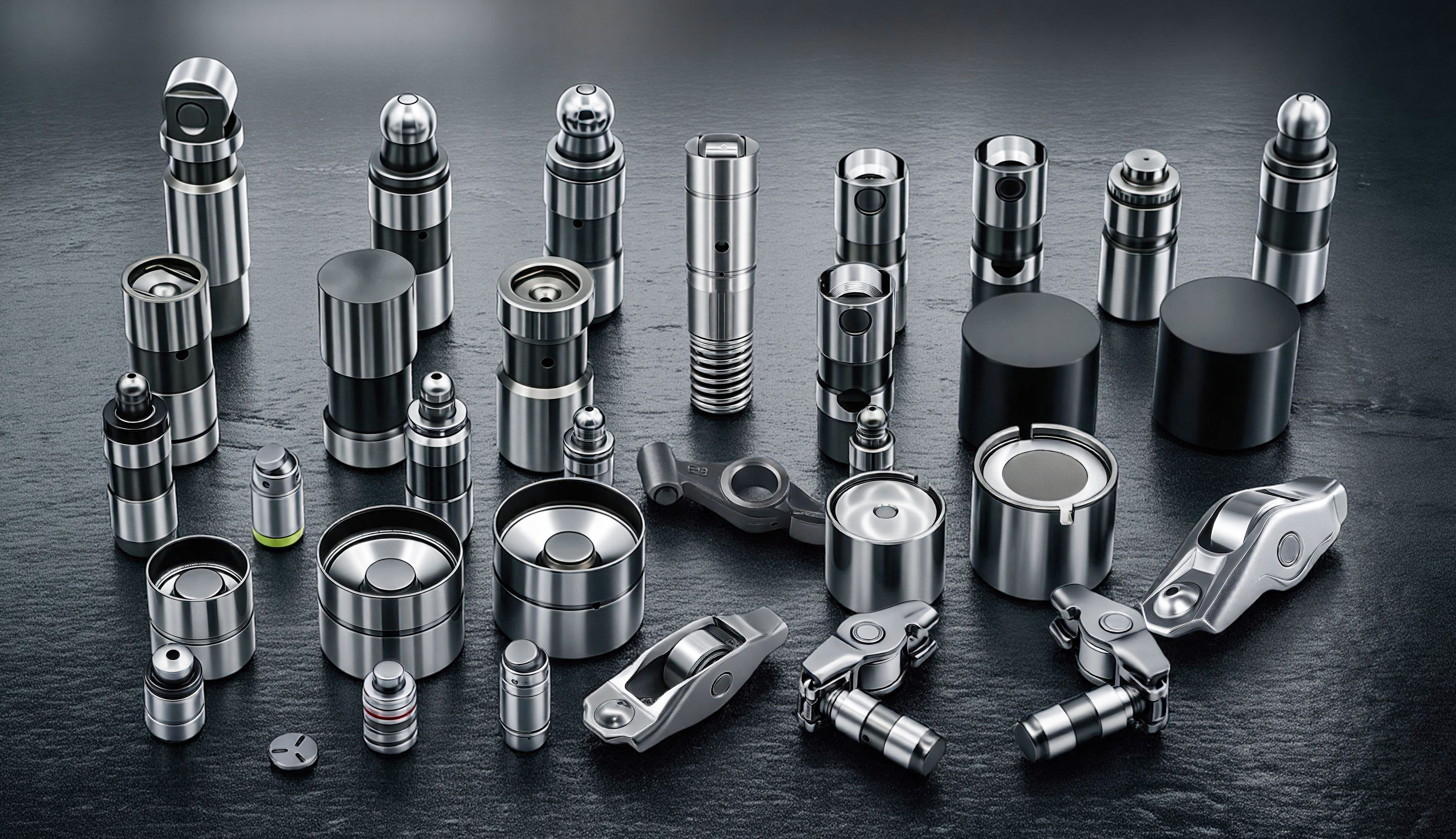
When you are pushing engines to their absolute physical limits, you cannot gamble on mid-tier manufacturing. Your business demands a proven, high-tech OEM manufacturing partner.
TOPU is a globally recognized, IATF 16949-certified valve tappet manufacturer and comprehensive engine parts supplier. Operating advanced in-house surface treatment and CNC grinding facilities, we offer everything from deep continuous carburizing to elite DLC coated valve tappets for ultimate high-load racing and commercial applications.
We supply tier-1 automotive brands, intense racing teams, and massive international distributors worldwide. If you want to eliminate valvetrain friction and massively upgrade your product line, contact TOPU today to discuss custom applications and bulk DLC options.