The Great Valvetrain Debate
If you are rebuilding a classic V8 or sourcing valvetrain components for an auto parts distribution business, you will inevitably hit one of the oldest debates in automotive engineering: what is better, roller or flat tappet?
Historically, almost all production engines used a traditional flat tappet setup. However, the modern automotive industry has heavily shifted toward advanced roller technology. Are roller lifters actually worth the massive upfront cost? Let's dive into exactly how these two designs work, how they fundamentally impact engine friction, and which one truly belongs in your next buildup.
Understanding Flat Tappets
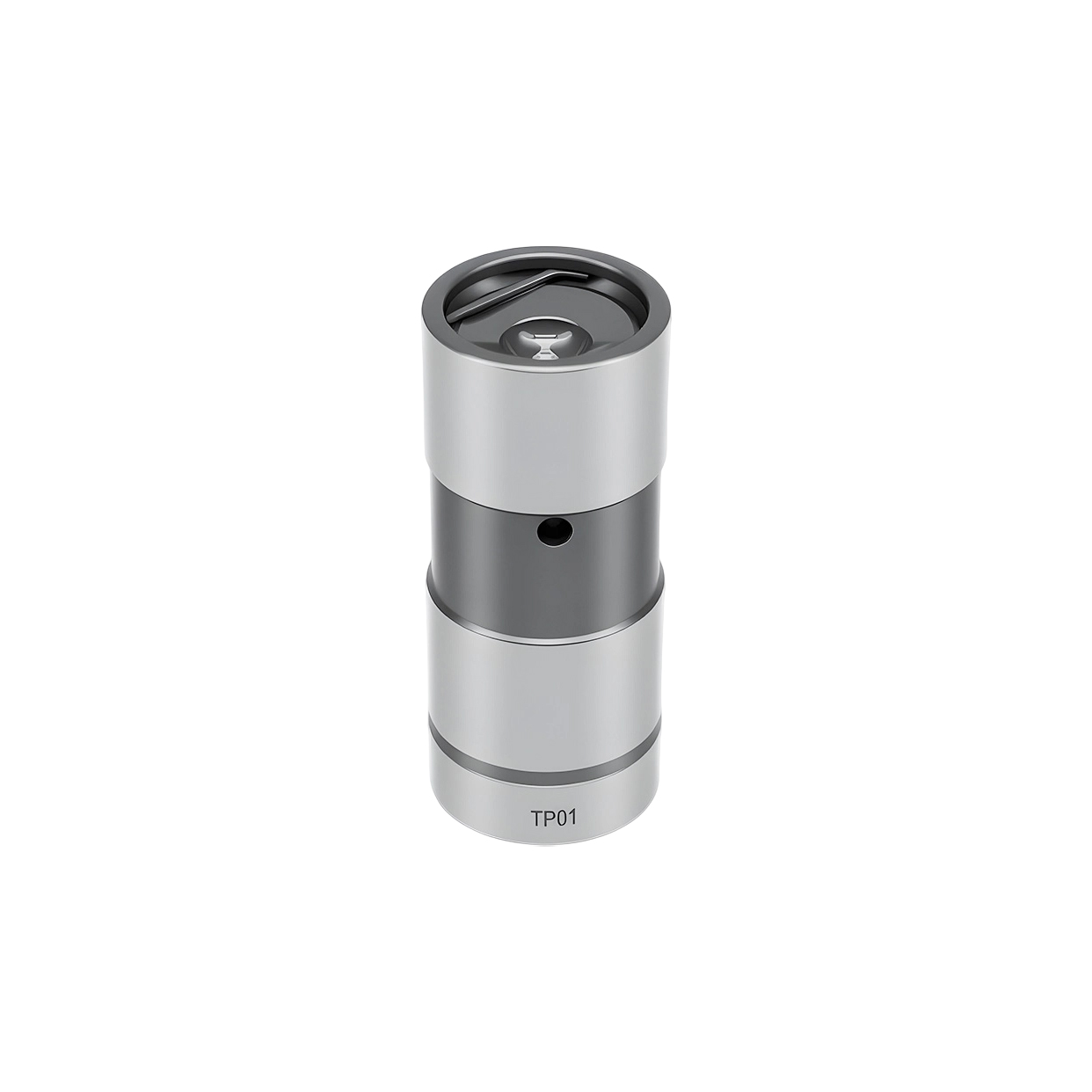
A flat tappet (often called a flat lifter) is exactly what it sounds like. The bottom of the lifter that rests against the spinning camshaft appears completely flat to the naked eye. (Technically, it possesses a microscopic convex crown designed to force the lifter to spin continuously in its bore, preventing uneven wear).
As the camshaft rotates, the metal lobe literally drags and slides across the bottom face of the flat tappet. Because this creates immense metal-on-metal sliding friction, flat tappets absolutely require specific high-zinc (ZDDP) break-in oils. If the oil is wrong, the camshaft will instantly grind the tappet directly into metal dust.
The Advantages of a Flat Tappet Cam:
Highly Cost-Effective: They are significantly cheaper to manufacture and purchase wholesale.
Lightweight: The overall weight of a flat tappet is lower than a roller lifter, which reduces stress on your valve springs.
Authenticity: They are the perfect choice for low-budget, era-correct vintage rebuilds.
Understanding Roller Tappets
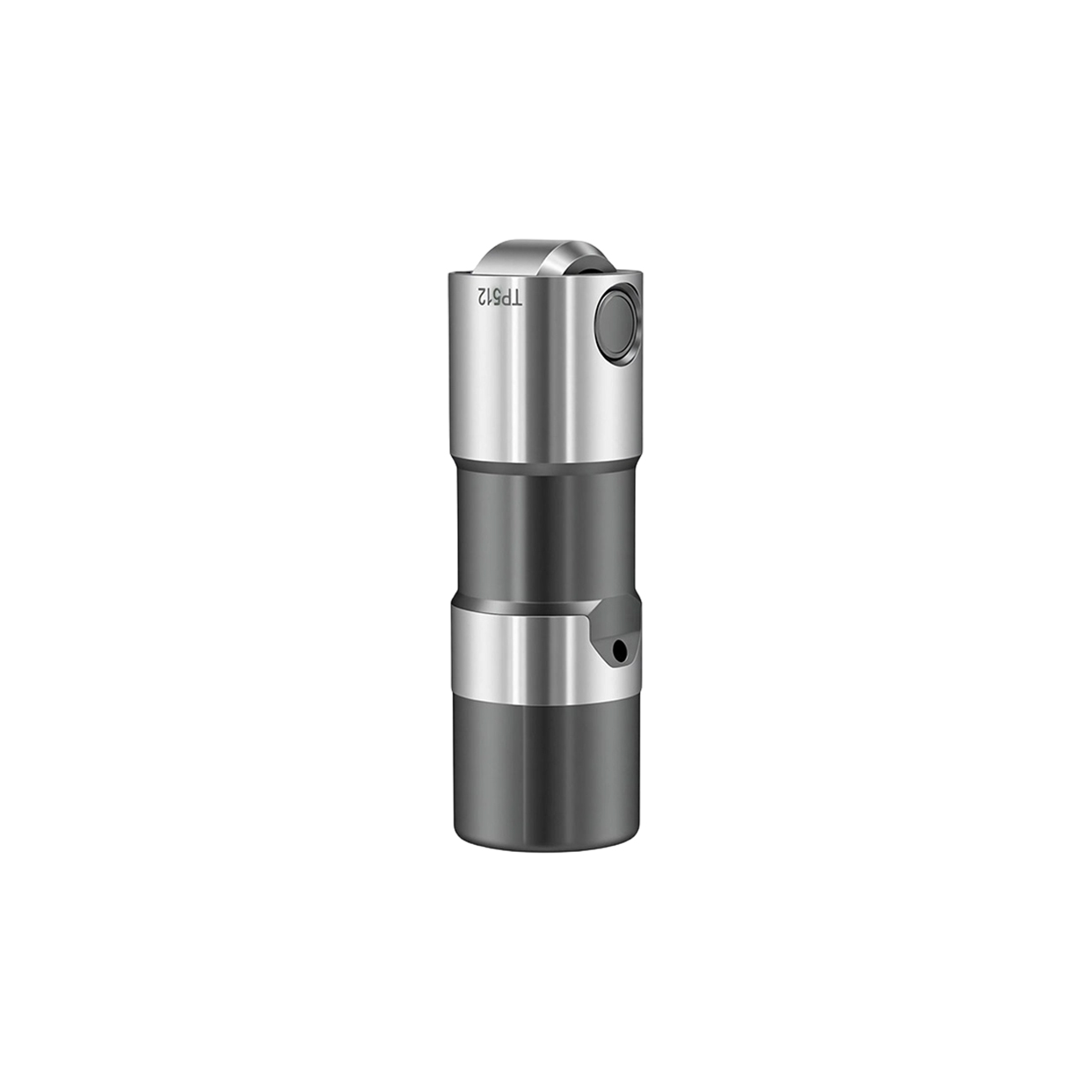
A roller tappet completely redesigns the camshaft contact point to defeat friction. Instead of dragging a solid steel slab across the cam lobe, the bottom of the lifter features a hardened steel wheel (a tiny roller bearing).
The camshaft lobe rolls effortlessly against this wheel. This brilliant design entirely eliminates sliding friction, replacing it with incredibly slick rolling friction. Because a wheel can smoothly roll over extreme geometric angles, engine builders can utilize incredibly steep, aggressive camshaft profiles without the lifter binding or snapping.
According to engine valvetrain studies compiled by MotorTrend,roller lifters significantly reduce operating oil temperatures and eliminate the terrifying, high-risk 30-minute camshaft break-in procedure mandatory for flat tappets.
Roller Cam vs Flat Tappet: Which is Better for Your Build?
When deciding between roller cam vs flat tappet, the answer depends entirely on your horsepower goals and your budget.
If you are asking about roller cam vs flat tappet horsepower, the roller setup is the undisputed king. A roller cam setup usually frees up 10 to 15 "hidden" horsepower purely by eliminating drag in the engine. More importantly, the roller wheel allows the engine valves to open much faster and stay open longer, pulling substantially more air into the cylinders for massive power gains.
However, upgrading from a flat block to a roller setup is not cheap. Roller lifters require specific anti-rotation link bars or costly engine block machining to prevent the roller wheels from turning sideways.
The Verdict:
Choose a flat tappet for affordable, reliable street builds under 6,000 RPM where massive horsepower is not the primary objective.
Choose a roller tappet for serious high-performance reliability, modern power generation, and total peace of mind regarding oil-related wear.
Source Reliable Valvetrain Components
Whether your market demands the traditional affordability of a flat tappet or the modern performance of a roller setup, the metallurgy of the component dictates your engine's lifespan.
TOPU is an IATF 16949-certified global OEM valvetrain manufacturer. We forge premium flat tappets with exact heat-treatment profiles, alongside robust roller lifters designed to survive severe racing pressures without collapsing. Contact the TOPU team today to secure world-class engine parts for your engine rebuild network.