How Does a Cam Follower Turn Rotation into Lift?
Valve lifters (also called tappets or cam followers) are cylindrical engine components that ride directly on the camshaft lobes. As the cam rotates, the lobe's eccentric shape pushes the lifter upward, and that motion travels through the valvetrain to open the intake or exhaust valve at exactly the right moment.
In pushrod engines, lifters sit in the block's lifter valley and push a pushrod upward, which tilts a rocker arm to open the valve. In overhead cam (OHC) engines, lifters sit right between the cam and the valve stem, cutting out the middlemen. Either way, the lifter's job stays the same: follow the cam profile faithfully so the valve opens on time, every time.
Why does this matter for performance? A worn or poorly manufactured lifter distorts the cam profile, causing timing errors, reduced lift, and valve float at high RPM. That is why engine builders and parts distributors pay close attention to lifter quality — and why sourcing from a proven valve lifter manufacturer makes a real difference in engine longevity.
External Reference: Mechanical engineering teardowns by Engine Builder Magazine explain that valve lifters (tappets) act as the critical intermediary between the camshaft and the engine valves, directly dictating whether an engine is capable of surviving extreme high-RPM racing loads.
Hydraulic vs Mechanical vs Roller Lifters
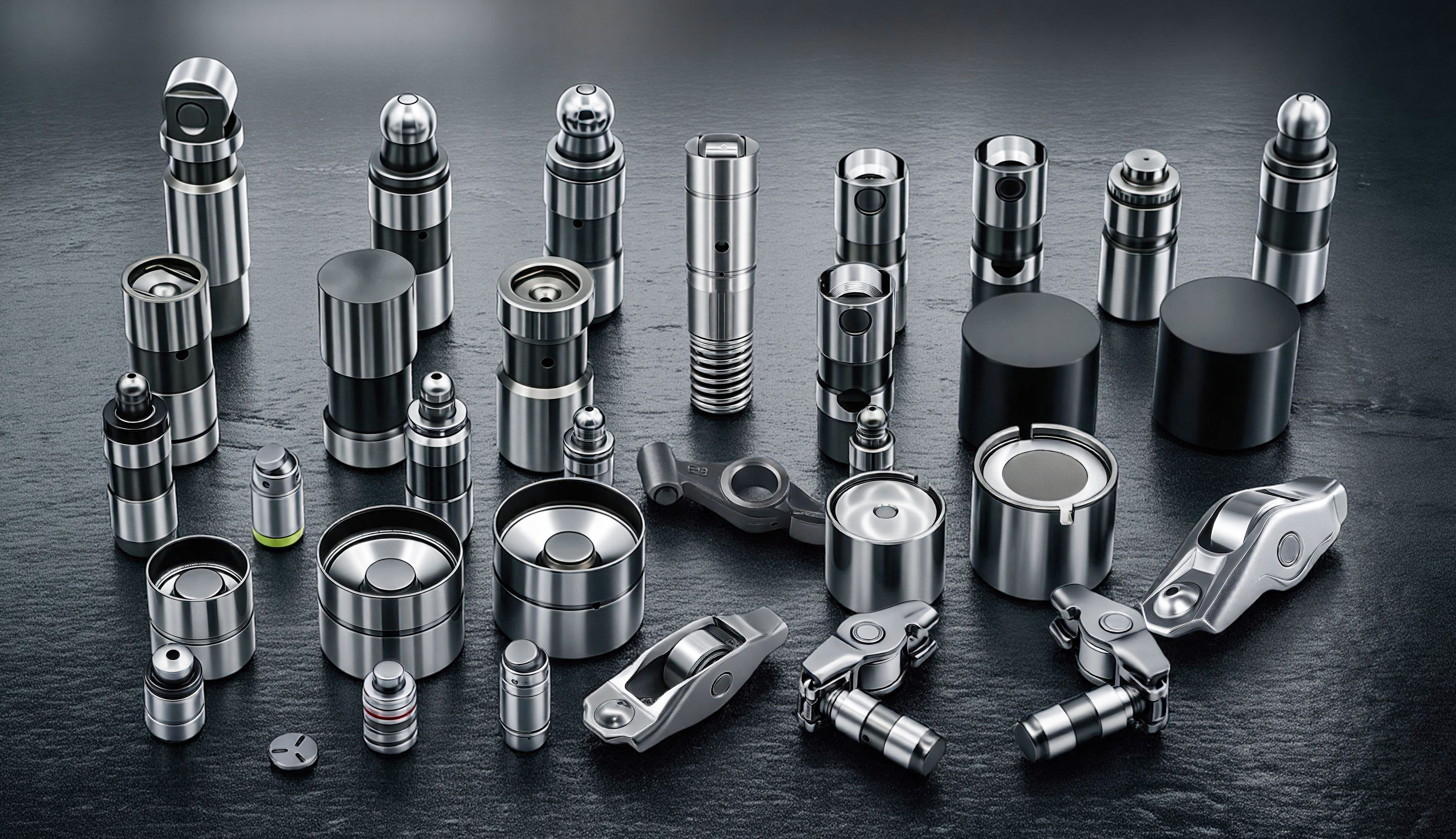
Hydraulic Lifters
Hydraulic lifters use pressurized engine oil to automatically maintain zero valve clearance. Oil fills an internal chamber, extending a plunger that keeps the valvetrain snug — no manual adjustment needed. They run quietly and are the default choice for passenger vehicles where low maintenance wins.
The downside? At high RPM, the oil cushion can compress, causing valve float. They are also sensitive to dirty or low-pressure oil, which leads to the dreaded "collapsed lifter" tick. For a deep dive, see our Hydraulic Lifter guide.
Mechanical (Solid) Lifters
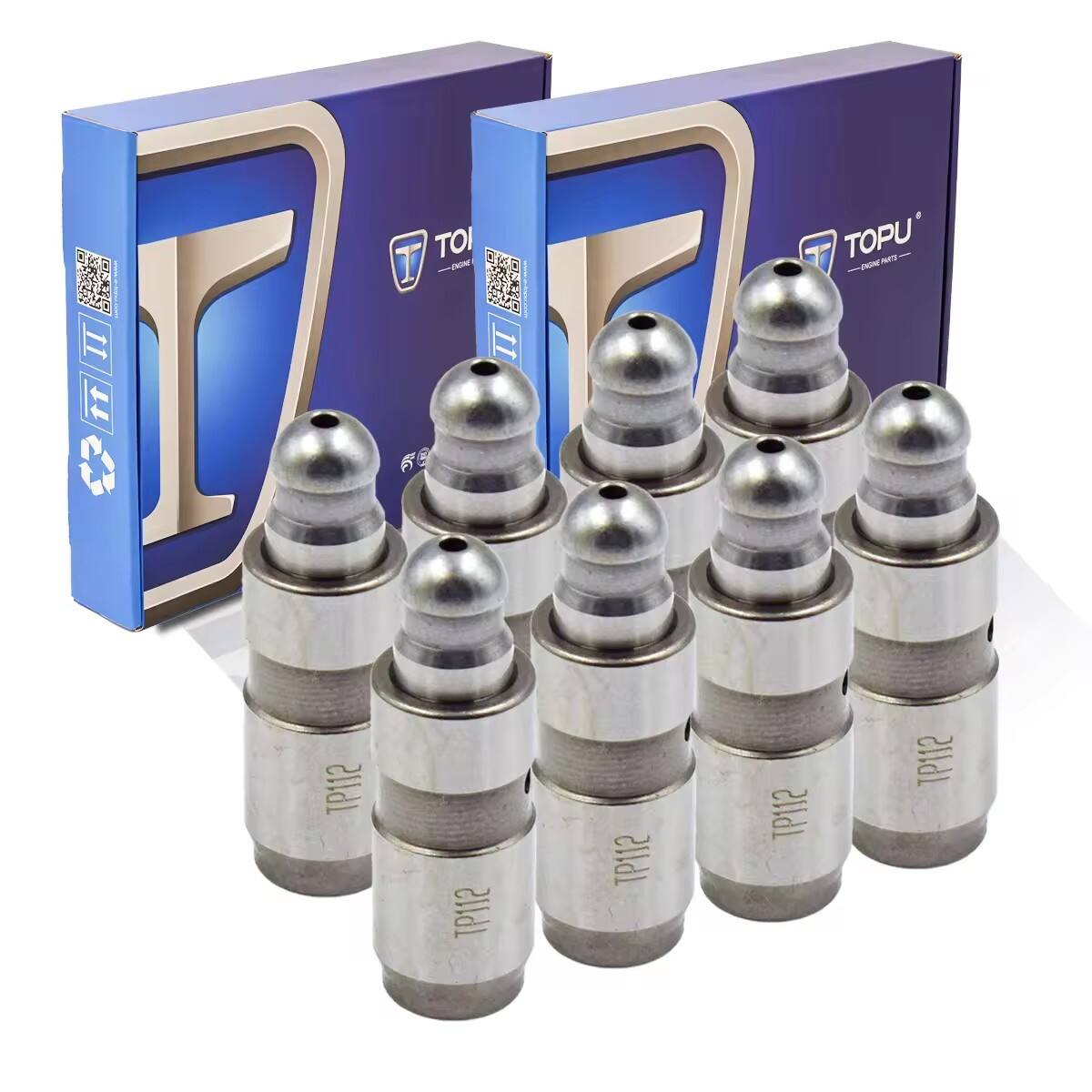
Mechanical lifters are one-piece, no-nonsense components. They need a specific clearance gap (0.010–0.020 in.) set manually with feeler gauges, and they tick audibly because of it. The payoff is precise valve control at high RPM with zero hydraulic delay — which is exactly why race engine builders and performance parts suppliers still specify them.
Adjustment intervals run every 30,000–50,000 km.
Roller Lifters
A small roller bearing replaces the flat contact face. Rolling friction beats sliding friction every time, so roller lifters deliver 5–15 hp more, less cam wear, and better fuel efficiency. They come in both hydraulic and mechanical versions.
The trade-off is cost. Roller lifters run $25–75 each compared to $10–25 for flat tappets. But modern OEM engine manufacturers have made them standard equipment for a reason — the performance return is worth it.
Flat Tappet Lifters
The oldest and cheapest design. A flat (or slightly convex) face slides across the cam lobe, which generates more friction and demands oil with high ZDDP content. Flat tappets are still common in classic engine rebuilds and budget builds, but break-in procedure is critical — improper first-run lubrication kills cam lobes fast.
Feature | Hydraulic | Mechanical | Roller | Flat Tappet |
|---|---|---|---|---|
Adjustment | Automatic | Manual | Varies | Varies |
Noise | Quiet | Louder | Varies | Varies |
High RPM | Limited | Excellent | Excellent | Good |
Friction | Moderate | Moderate | Low | High |
Cost | Low–Mod | Low–Mod | High | Low |
Best For | Daily driving | Racing | Performance | Budget builds |
Common Valve Lifter Problems
Collapsed & Sticking Lifters
When a hydraulic lifter's internal check valve wears out, it can no longer hold oil pressure. The plunger collapses, creating excessive clearance and a persistent ticking noise. Power drops, idle gets rough, and the affected cylinder contributes less work. Oil changes won't fix worn internals — replacement is the only real solution.
Sticking lifters are a different beast. Varnish from degraded oil gums up the lifter bore, causing erratic valve operation. Light cases sometimes respond to an oil flush, but severe buildup means pulling the engine apart. Regular oil changes with quality oil prevent both problems.
Camshaft Wear
A worn lifter concentrates pressure on a shrinking cam lobe contact area, accelerating lobe wear — and a worn lobe accelerates lifter wear right back. These two components always wear together, so always inspect the cam when replacing lifters. Installing fresh lifters on a chewed-up camshaft just ruins the new parts.
For noise-specific troubleshooting, see our Lifter Tick guide.
How to Pick an OEM Valve Lifter Supplier
OEM vs. Aftermarket
OEM lifters guarantee fit and known performance, but quality aftermarket lifters from reputable manufacturers often match or exceed OEM specs at lower cost. The golden rule: avoid no-name suppliers with unknown quality control. Inconsistent tolerances, soft materials, and premature failure turn a small savings into an expensive engine teardown.
Compatibility Checklist
Lifter diameter, length, and bore tolerance must match your engine's specs exactly. Hydraulic lifters need the correct preload setting. Roller lifters require a roller-profile camshaft — pairing them with a flat tappet cam wastes money and invites failure. Always verify part numbers against the engine application before ordering.
Sourcing Quality Valve Lifters: Why Choose TOPU?
TOPU is an experienced valve lifter manufacturer supplying hydraulic, mechanical, and roller lifters for domestic and import applications. We provide zero-defect valvetrain components to tier-1 automotive brands, intensive engine rebuilders, and mega-distributors worldwide.
Comprehensive Lifter Range: From maintenance-free hydraulic lifters to high-RPM mechanical and low-friction roller lifters, we cover all your engine requirements.
Precision Manufacturing: Every lifter is CNC-machined to ±0.001 mm tolerances, hardness-tested, and functionally verified using advanced pneumatic metrology.
Complete Valvetrain Solutions: Beyond lifters, TOPU is a trusted supplier of engine valves, camshafts, and rocker arms, ensuring perfectly matched components.
Whether you are an engine rebuilder, a parts distributor, or an OEM purchasing team, contact TOPU for competitive pricing, reliable valve tappet supply, and uncompromising quality.

Maintenance Quick-Hits
Use quality oil meeting API SP or higher, and change it at your severe-service interval (every 5,000 km if in doubt). Flat tappet engines need ZDDP-fortified oil — standard modern formulas have reduced zinc content. Break in new lifters properly: 2,000–3,000 RPM for 20–30 minutes on high-ZDDP oil, then drain and refill. Skipping break-in is the fastest way to kill a new cam-and-lifter set.
Check oil level weekly. Even one quart low reduces pressure to the lifters. If your engine uses mechanical lifters, check clearances every 30,000–50,000 km or per the cam manufacturer's spec.