Take a stroll through any performance engine shop, and you will eventually stumble into one of the oldest and most heated debates in automotive engineering: hydraulic lifters vs mechanical lifters (also commonly debated as hydraulic vs solid lifters).
Deep inside the engine, nested above the spinning camshaft, sits the valve lifter (also known as a tappet). It takes the spinning motion of the cam and turns it into vertical pushing power, violently ramming the engine valves open against brutally heavy steel springs.
Choosing the right type of lifter from your parts distributor or tappet manufacturer isn't just a technical footnote. It completely alters the personality of the engine. One style offers quiet, set-it-and-forget-it reliability for your daily commute. The other offers raw, screaming, high-RPM violence for the racetrack. Let’s break down exactly what makes them different and which one belongs in your next buildup.
Valvetrain engineering comparisons from EngineLabs explain that while hydraulic lifters utilize oil pressure for zero-maintenance daily driving, they physically cannot handle the extreme valve spring pressures required for high-RPM racing where solid mechanical lifters dominate.
How a Hydraulic Tappet Manufacturer Designs for Quiet Cruising
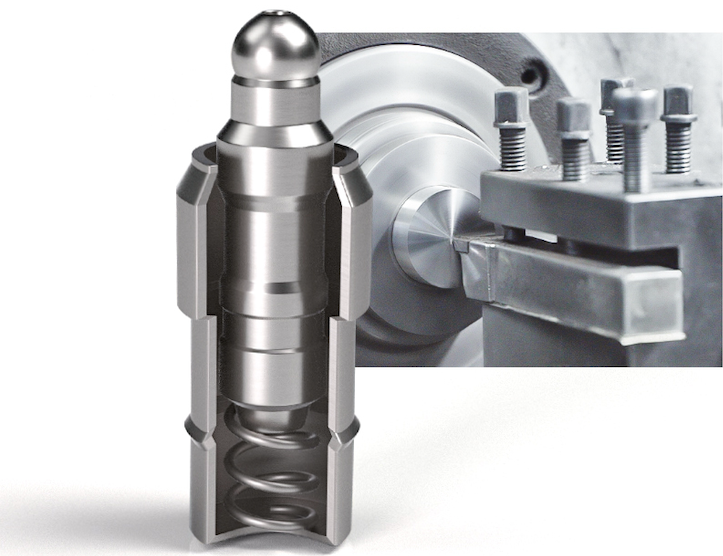
Walk out to your driveway right now, turn on your modern commuter car, and listen. You'll likely hear a smooth, quiet purr. You have hydraulic lifters to thank for that.
A hydraulic tappet or lifter is a complex mini-machine. Inside the steel body, there is a tiny plunger, a check valve, and a pressure chamber. Engine oil gets pumped forcefully inside the lifter, filling up the chamber. This creates a highly pressurized "oil cushion." As the engine parts heat up and structurally expand, this oil cushion dynamically adjusts itself, ensuring there is zero clearance (or "lash") in the valvetrain.
The supreme advantage here is convenience. Because the hydraulic lifter is constantly self-adjusting through oil pressure, it requires absolutely zero routine maintenance. No adjusting, no tinkering—just thousands of miles of quiet, reliable driving.
The Problem with Hydraulics
So why doesn't every race car use them? Physics. When you aggressively step on the gas pedal and push the engine past 6,000 RPM, the violently fast motion causes problems for that little oil cushion.
At extreme speeds, the lifter can suffer from "pump-up", where the lifter hyper-extends and holds the engine valve slightly open when it should be closed, instantly killing your horsepower. Furthermore, if you let your engine oil get heavily dirty, the tiny internal check valves will clog. The lifter will collapse, creating that terrifying, loud "lifter tick" noise that demands an expensive mechanical replacement.
Why Racing Engines Demand Solid Lifter Technology
For the purists, the hot-rodders, and the drag racers, there is only one acceptable choice: the mechanical lifter (also universally called solid lifters).
A mechanical lifter boasts zero internal moving parts. There is no oil cushion, no plunger, and no check valve. It is just a highly hardened, heavy-duty cylinder of pure steel. Because there is no squishy oil buffering the impact, the lifter transfers the exact, aggressive profile of a performance camshaft instantly to the valves.
The biggest advantage is immense high-RPM stability. A solid lifter will happily smash open a heavy intake valve at 8,000 RPM all day long without floating, pumping up, or missing a beat. They deliver incredible throttle response and precise power.
The Price of Solid Performance
That aggressive performance comes at a heavy cost: maintenance. Because a solid piece of steel cannot compensate for metal expanding when the engine gets hot, you must manually build a tiny gap (valve lash) into the system.
Every time the camshaft comes around, the metal smashes across that tiny gap before pushing the valve. This metal-on-metal impact creates a loud, rapid "sewing machine" ticking noise. Furthermore, as the parts naturally wear down over 20,000 miles, that gap grows. You must regularly remove the valve covers and manually recalibrate the gap with feeler gauges. If you skip this maintenance, the engine will tear itself apart.
Which is Better?
There is no inherently "better" design, only the right tool for the job.
Choose Hydraulic Lifters if: You are driving a daily commuter, a family SUV, or a mild street-rod where deep reliability and quiet operation are your primary goals. You want to change your oil and simply walk away.
Choose Mechanical Lifters if: You are building a high-horsepower race car, a screaming track toy, or a classic muscle car with a radical camshaft. You don't mind getting your hands dirty doing adjustments every summer, and you demand maximum power past 6,500 RPM.
Source from an Expert Valve Lifter Supplier

Whether you prefer the silent precision of a hydraulic cushion or the raw impact of solid steel, the fundamental life of your engine depends on the quality of the metal inside.
TOPU is an IATF 16949 globally certified valve lifter supplier and OEM engine valve manufacturer. Utilizing advanced metallurgical processes and rigorous CNC inspection, we forge hydraulic lifters that refuse to collapse and mechanical tappets built for massive spring pressures.
Supplying tier-1 aftermarket brands and racing distributors worldwide, TOPU delivers the precision you need to prevent devastating engine warranty claims. Explore our complete catalog today to find the perfect valvetrain components for your business or engine build project.