세부적인 제품 모델 도면 사양
마찰 용접기
극강의 내구성을 지닌 프리미엄 성능용 금속 제품
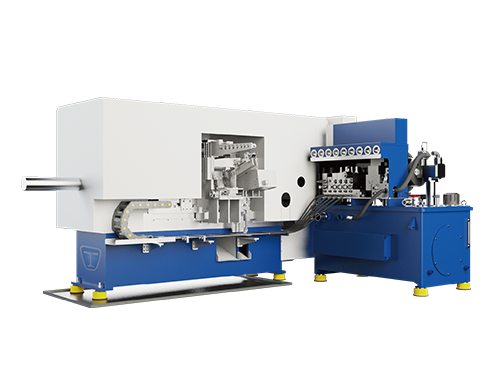
마찰 용접기
최상의 이 제품 성능 결과에 대하여 당신은 충분히 관심 있으신가요?
테스트 샘플 평가와 세부 측정 도면 전달을 위해 지금 당사의 고객 및 기술 친화적인 부서에 직접 이메일 지원 팀에게 알려 연락해 주십시오.
소개
관성 마찰 용접은 고품질, 고효율, 에너지 절약 및 무공해 특성으로 널리 인정받는 첨단 고체 용접 공정입니다. 항공우주, 자동차, 석유 시추봉 등 다양한 분야에서 활용 가능성이 높으며, 산업 선진국들로부터 큰 주목을 받고 있습니다.
관성 마찰 용접 공정은 공작물의 회전단을 플라이휠에 고정하는 방식으로 진행됩니다. 용접 공정은 플라이휠과 공작물의 회전단을 특정 속도까지 가속하는 것으로 시작되며, 이후 플라이휠을 주 모터에서 분리합니다. 동시에 공작물의 이동단은 앞으로 전진합니다. 공작물들이 접촉하면 마찰열이 발생합니다. 이 과정에서 플라이휠은 마찰 토크로 인해 제동력을 받아 속도가 감소합니다. 플라이휠, 스핀들 시스템, 그리고 공작물이 장착된 회전척의 속도가 모두 0이 되면 접촉면의 온도 분포가 원하는 수준에 도달합니다. 마지막으로 축 방향 압력을 가하면 용접 공정이 완료됩니다.
관성 마찰 용접의 공정 변수는 플라이휠의 회전 관성, 플라이휠 속도, 축 방향 압력의 세 가지 주요 요소로 구성됩니다. 주요 특징은 일정한 압력과 가변 속도를 제공하며, 연속 구동 마찰 용접의 가열 및 단조 공정을 결합한 것입니다.
사양 매개변수
| 최대 단조력: | 60노트 |
| 용접봉 직경: | 5-12mm |
| 회전 고정 장치: | 50-150mm |
| 스핀들 속도 : | 2500-3000rpm |
| 슬라이드 이동 : | 200mm (지름) |
| 이사 중 : | 조명기구 길이 50-400KW |
| 생산 효율(용접 시간): | 4S |
교환을 위한 다음 제품 또한 강력하게 추천합니다...
관련 제품

적합한 도면 데이터 보기...
030109423 Hydraulic Roller Lifter Rocker Arm Valve Tappet 030109423 030109423B 036109423A 036109423D SEAT0301

적합한 도면 데이터 보기...
06D109601M 06D 109 601 M 06D109611H 06D109611K Engine Intake Exhaust Valve for Audi VW 2.0 TFSI BPJ BPY BWA CBFA CCTA CCZB CCZA

적합한 도면 데이터 보기...
0942.86 1450604 6G9Q-6500-AA 9659189980 LR004168 Hydraulic Lifter Valve Tappet for Citroen Peugeot 2.2 HDi DW12BTED4

적합한 도면 데이터 보기...