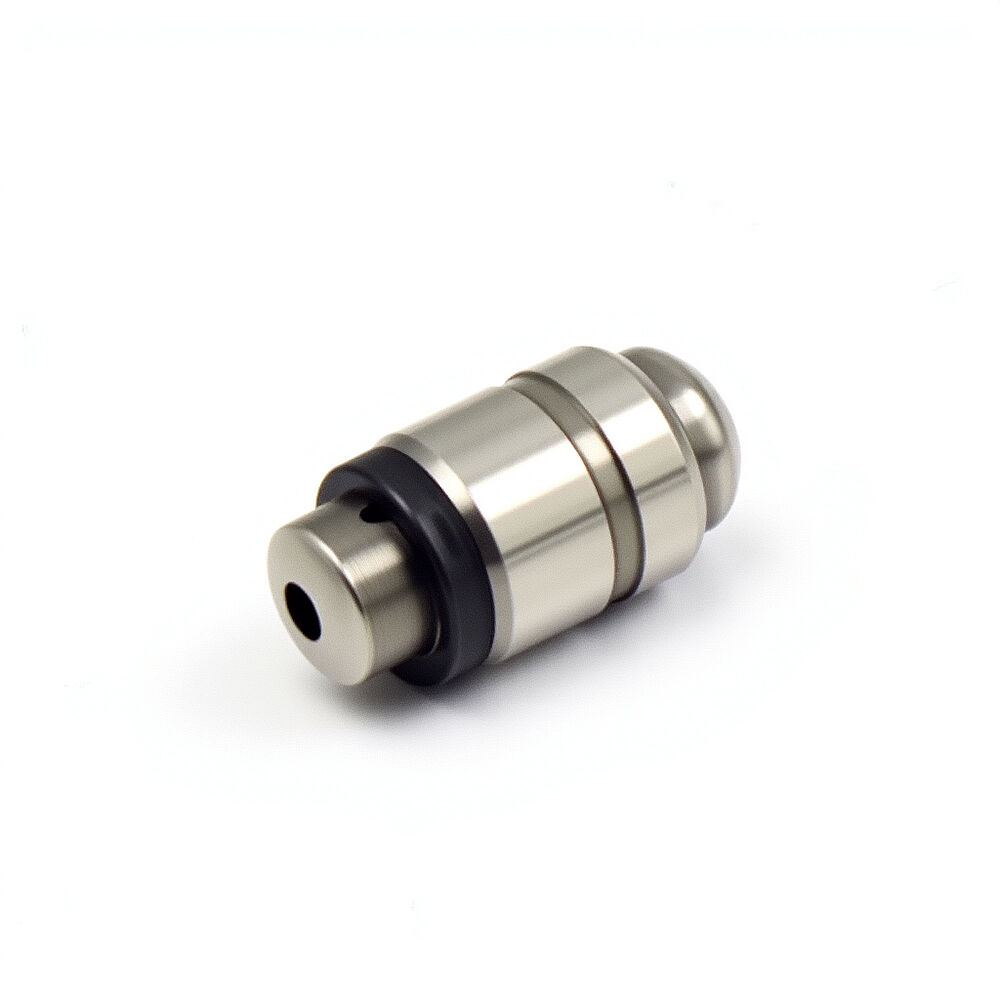
Avoided but an easy task in engine servicing is to ensure that the valve tappet is correctly set. Adequate valve clearance is necessary in an attempt to attain optimum engine performance, fuel efficiency, and life since the engine can breathe freely. Any inappropriate clearance can lead to loss of power, use of excess fuel, over noise, and even in the long run, may cause extensive inner damages either because of the improper clearance that can be tight or loose. This process is of significance to a technical worker of an engine or any other fan who wants to maintain an engine in its optimum state. The fact that the correct machined parts and instruments are required in order to achieve reliable and consistent results is a necessity.
Step-by-step Guide to Checking Tappet Clearance
There should be a sequential approach to the valve tappet check. The first one is to ensure that the engine is cool first before switching on because metal parts grow in size during the heating process thus giving inaccurate outcomes. The valve train can be accessed through the valve cover removal. Wipe the area to prevent the drop of debris in the engine.
Then you must install the engine correctly. Operation to engage the piston in the cylinder that you are testing in the compression stroke at Top Dead Center, turn the crankshaft. This will be to ensure that the intake and exhaust valves of that cylinder are closed. To get the firing order and the correct timing marks, consult the service manual of your engine.
Once it has been placed, then the clearance can be measured. The correct feeler gauge blade should be selected and applied a little in between the end of the valve stem and the rocker arm / tappet. When you have the correct clearance there should be a slight pulling force with the gauge. The clearance should be re-adjusted in case the blade can be inserted much easier than the same way or the blade simply will not be inserted. Record the measurements of all the valves in order as per the engine before they are changed. It is a systematic process and does not include errors and eliminates the possibility of not assessing all the valves.
Tools Needed for Accurate Valve Tappet Adjustment
Valve adjustment done with the right tools is not only an arduous task, but also a precise one. A good first aid kit is initiated by a set of feelers. Tapered or stepped gauge set may tend to be more practical in small areas and may be more accurate in the measurements. The application of a set of wrenches and sockets with a torque wrench cannot be tampered with to loosen lock nuts and apply the right amount of torque recommended by manufacturer during reassembly of the vehicle.
Special equipment is highly helpful as regards efficiency and precision. Crankshaft turning tool allows the engine to be turned to the right valve timing points and without any difficulty or strain. In screw-type adjusters found in engines, it is necessary to use a tool or a screwdriver of the necessary size which is a flat blade. The use of instruments which are made very fine to tolerances has, in all cases, the effect of rendering your correction, like the parts. Good and sharp tools can be regarded as an investment that is paid back in the normal, professional outcomes.
Recommended Maintenance Intervals by Engine Type
Valve clearance is not a fixed and forgotten specification. It is age dependent due to frequent wear of the valve seats, stems and tappets. It is important that regular engine maintenance should be done on the proposed intervals.
This is not uncommon in the case of conventional passenger car engines that have hydraulic lifters and thus make it a regular habit to check clearances every 60,000 to 90,000 miles but with modern engines then it may not be necessary to check clearances so frequently. The frequency of attention required in solid-lifting performance engines (as in racing or street high performance cars) is much greater. To be sure that the power is at its optimum levels, and valve train failure is prevented, a check of clearances is frequently done at 15,000 to 30,000 miles or before and after major racing events.
The servicing of industrial and smaller engines, generators, pumps and farm machinery, or others should be done under stringent service schedules which are normally 500-1000 hours every. The older designs of mechanical tapping engines require the more frequent inspection in comparison to newer designs. The time, which is indicated in the official service manual of your engine, must always be considered a priority. A check valve clearance is the necessary step of your regular maintenance and ensuring functionality of the engine along with the characteristic of the professional level of service.
Conclusion
Valve tappet is another necessary practice that must be performed frequently to ensure that the efficiency and power of the engine along with the service life remain intact. Precisely taking your time, applying precision tools and utilizing engine-specific periods of service will ensure that your engine is operating as you would expect. We have gotten to know that precision is a major aspect of all the works of engine maintenance at Suzhou Topu Engine Parts Co. Ltd. We will provide the quality part and the reliability of the knowledge which the technicians and the enthusiasts rely on so that the engines would run smoothly and efficiently in the long run.