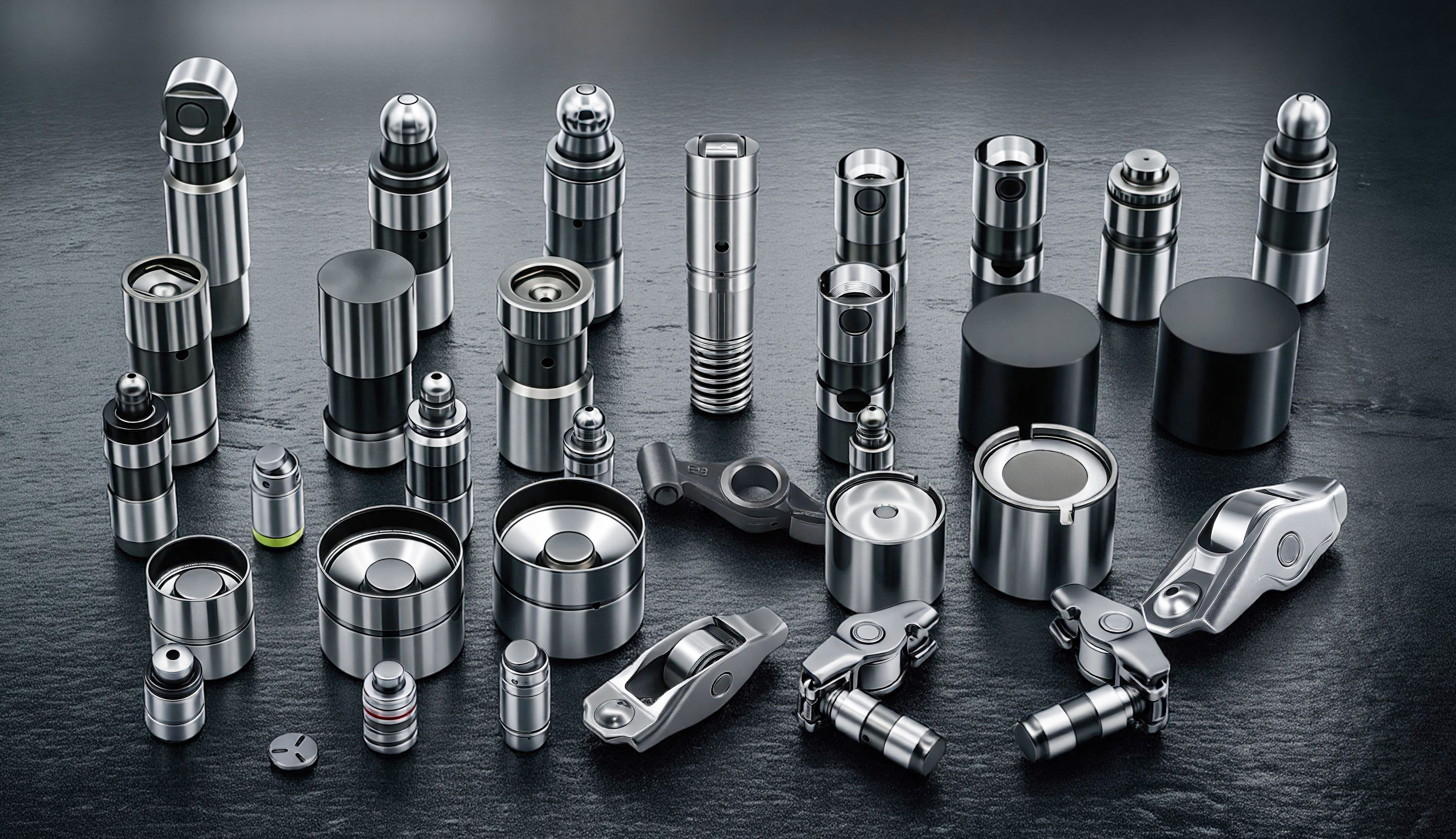
تاپت سوپاپ چیست؟
قبل از اینکه به جدیدترین دستاوردهای مهندسی خودرو مدرن نگاهی بیندازیم، باید به اساسیترین سوال پاسخ دهیم: تاپت چیست؟
تعریف تپت سوپاپ فوقالعاده ساده است: این قطعه مکانیکی درون یک موتور احتراق داخلی است که بین میل بادامک در حال چرخش و سوپاپهای موتور قرار میگیرد. با چرخش بادامک، برآمدگی تخممرغی شکل آن به تپت فشار میآورد. سپس تپت این فشار را منتقل میکند تا در نهایت سوپاپ موتور را باز کند و هوا را وارد یا خارج کند.
نام عجیب «تاپِت» (tappet) بیش از یک قرن پیش ریشه گرفت. در طراحیهای اولیه خودرو، این قطعات فلزی خام به معنای واقعی کلمه با شدت به سوپاپهای فلزی ضربه میزدند و صدای کلیک بلند و ریتمیکی ایجاد میکردند.
آیا تایپیتهای سوپاپ به عنوان لیفتر نیز شناخته میشوند؟
اگر شما یک توزیعکننده جهانی قطعات خودرو هستید که قطعات را به صورت فرامرزی تهیه میکنید، اصطلاحات میتوانند بسیار گیجکننده باشند. بسته به اینکه از چه کسی یا در کدام کشور هستید، tappet نامهای مختلفی دارد. بنابراین، tappet به چه چیزی نیز معروف است؟
بالابر سوپاپ: عبارت اصلی مورد استفاده در آمریکای شمالی، به این دلیل نامگذاری شده است که از نظر تاریخی، میلههای فشاری را در موتورهای کلاسیک V8 "بالا میبرد".
پیرو میل بادامک: اصطلاحی دقیقتر از نظر مهندسی که در اروپا رواج دارد، زیرا این قطعه به معنای واقعی کلمه، پروفیل میل بادامک را «دنبال میکند».
سطلی: برای موتورهای میل بادامک بالاسری مدرن استفاده میشود و به تایپیتهایی اشاره دارد که دقیقاً شبیه یک فنجان وارونه هستند.
چرا موتورهای مدرن هنوز به تایپیت نیاز دارند؟
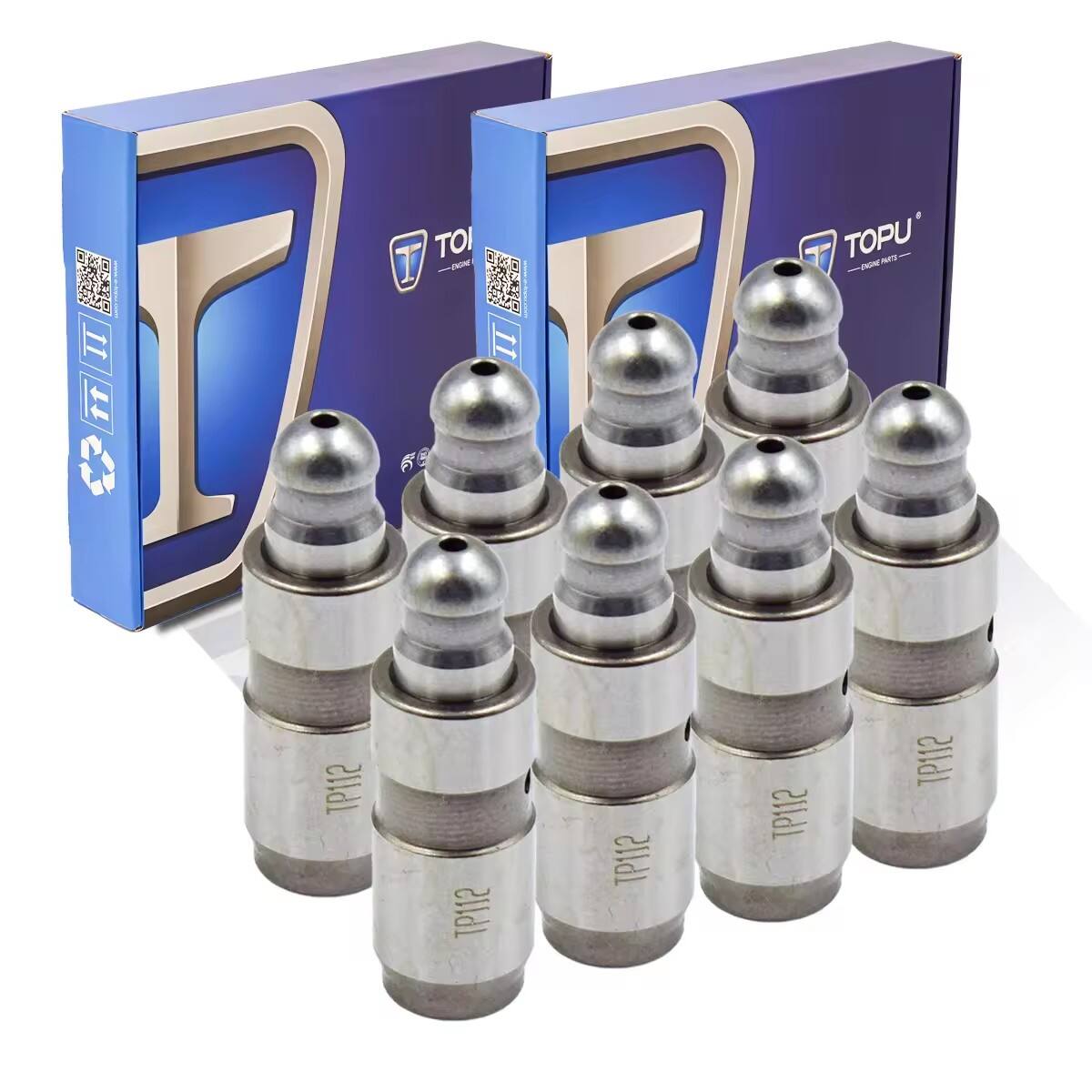
این ما را به یک سوال بسیار رایج در بین مکانیکهای جدید میرساند: آیا موتورهای مدرن دارای تایپیت هستند؟
پاسخ کوتاه این است: بله، کاملاً. هر موتور احتراق داخلی سنتی که امروزه در جادهها حرکت میکند از یک سوپاپ استفاده میکند. با این حال، اگر یک مکانیک قدیمی از سال ۱۹۶۰ به داخل موتور یک وسیله نقلیه کاملاً جدید ۲۰۲۶ نگاه کند، آنها را تشخیص نخواهد داد.
«لیفتر» سنتی که در موتورهای قدیمی pushrod (مانند Chevy LS کلاسیک یا Ford V8 های قدیمی) استفاده میشد، یک سیلندر فلزی بزرگ، سنگین و به اندازه یک خودکار بود که عمیقاً درون بلوک موتور دفن شده بود. پیدا کردن آنها مستلزم پاره کردن نیمی از موتور بود. موتورهای مدرن امروزی از طرحهای بسیار پیشرفته میل بادامک بالاسری (OHC) استفاده میکنند، به این معنی که میل بادامکها در بالای موتور و کاملاً روی سوپاپها قرار میگیرند و سبک کاملاً جدیدی از تایپیت را الزامی میکنند.
تکامل به سمت تاپت سطلی
خودروسازان مدرن مانند تویوتا، فولکس واگن و فورد پلتفرمهای اکوبوست عمدتاً از تیپت سطلی با عملکرد مستقیم استفاده میکنند.
به جای چیدمان سنگین میلههای فشاری و بازوهای اسبکی ، تیپت سطلی یک انگشتهی فلزی سبک و پهن است که به صورت وارونه مستقیماً روی فنر سوپاپ قرار میگیرد. میل بادامک مستقیماً روی سطل قرار میگیرد.
چرا موتورهای مدرن این طرح را ترجیح میدهند:
قطعات متحرک کمتر: با حذف میللنگهای سنگین و بازوهای راکر، جرم و اصطکاک به طور قابل توجهی کاهش مییابد.
پتانسیل دور موتور بسیار بالا: یک سیستم سوپاپ سبکتر میتواند با خیال راحت و بسیار سریعتر دور بگیرد و به موتورهای مدرن کوچکتر اجازه دهد به دور موتور بالای ۷۰۰۰ دور در دقیقه برسند و اسب بخار بیشتری تولید کنند.
نگهداری کم: بسیاری از سطلهای مدرن محکم هستند و از واشرهای میکروسکوپی (یا پوششهای پیشرفته DLC) که در کارخانه تنظیم میشوند، استفاده میکنند تا بدون نیاز به تنظیم مکانیکی پر سر و صدا، به طور کامل برای ۲۰۰۰۰۰ مایل کار کنند.
مرجع خارجی: پورتالهای مهندسی خودرو مانند MotorTrend توضیح میدهند که در حالی که موتورهای pushrod قدیمی از لیفترهای سنتی سنگین استفاده میکردند، تغییر عظیم جهانی به طراحیهای میل بادامک بالا (OHC) مهندسان را ملزم به اختراع تایپیتهای سطلی مستقیم سبک و با دور بالا کرد.
برای دریافت راهکارهای جامع سیستم سوپاپ با TOPU تماس بگیرید
درک تفاوتهای بین یک بالابر حجیم قدیمی آمریکایی و یک تاپت سطلی مدرن آسیایی که با دقت صیقل داده شده است، برای هر تامینکنندهی جدی قطعات خودرو بسیار مهم است.
TOPU یک تولیدکنندهی سیستم سوپاپ خودرو با گواهینامهی جهانی IATF 16949 است. چه شبکهی توزیع شما به بالابرهای هیدرولیکی سنگین برای موتورهای دیزلی تجاری نیاز داشته باشد و چه به تایپیتهای سطلی با روکش DLC فوق دقیق برای جایگزینی مدلهای قدیمی OEM، ما دارای امکانات CNC خودکار برای ارائهی بینقصترین محصول هستیم. همین امروز کاتالوگ کامل TOPU را بررسی کنید تا زنجیرهی تأمین B2B خود را ایمن کنید.