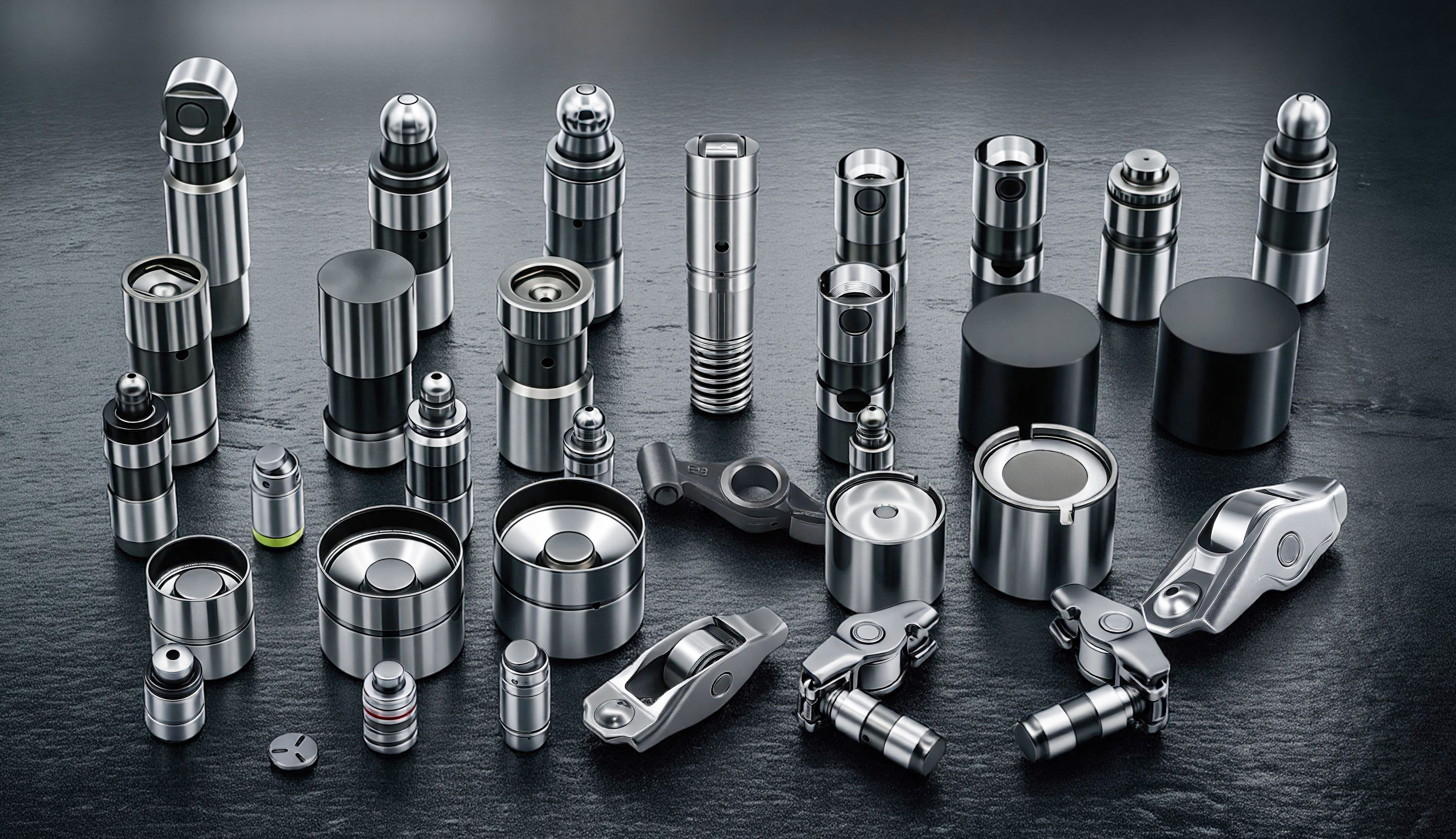
Quid est valvula tappetta?
Antequam ad aciem modernæ artis autocineticae inspiciamus, quaestioni fundamentalissimae respondere debemus: quid est valvulus pneumaticus?
Definitio valvulae "tappet" mire simplex est: pars mechanica intra machinam combustionis internae est, quae inter arborem cammarum rotantem et valvulas machinae sedet. Dum lobus ovali arboris cammarum circumrotatur, contra "tappet" premit. Deinde "tappet" impulsum illum transfert ut tandem valvulam machinae aperiat ad aerem admittendum vel exhauriendum.
Nomen insolitum "tappet" (valvulae valvularum) ante plus quam saeculum ortum est. In primis exemplaribus autocinetorum, hae crudae membranae metallicae valvulas metallicas vehementer "pulsabant" re vera, magnum et rhythmicum sonitum crepitantem creantes.
Num valvulae tappetae etiam ut elevatores notae sunt?
Si distributor globalis partium autocineticarum es qui partes trans fines comparat, terminologia valde confusa fieri potest. Pro eo quem roges vel in qua terra sis, "tappet" multis nominibus variis appellatur. Quid igitur etiam "tappet" appellatur?
Elevator Valvae: Primaria locutio in America Septentrionali adhibita, nominata quia historice virgas impulsorias in motoribus V8 classicis "elevat".
Sequax Cammae: Terminus accuratius ex ratione ingeniaria, in Europa probatus, quia pars litteraliter figuram arboris cammarum "sequitur".
Situla: Adhibetur pro modernis machinis cammarum supra caput, referens ad valvulas prorsus similes poculo inverso.
Cur Machinae Modernae Adhuc Tappets Egent
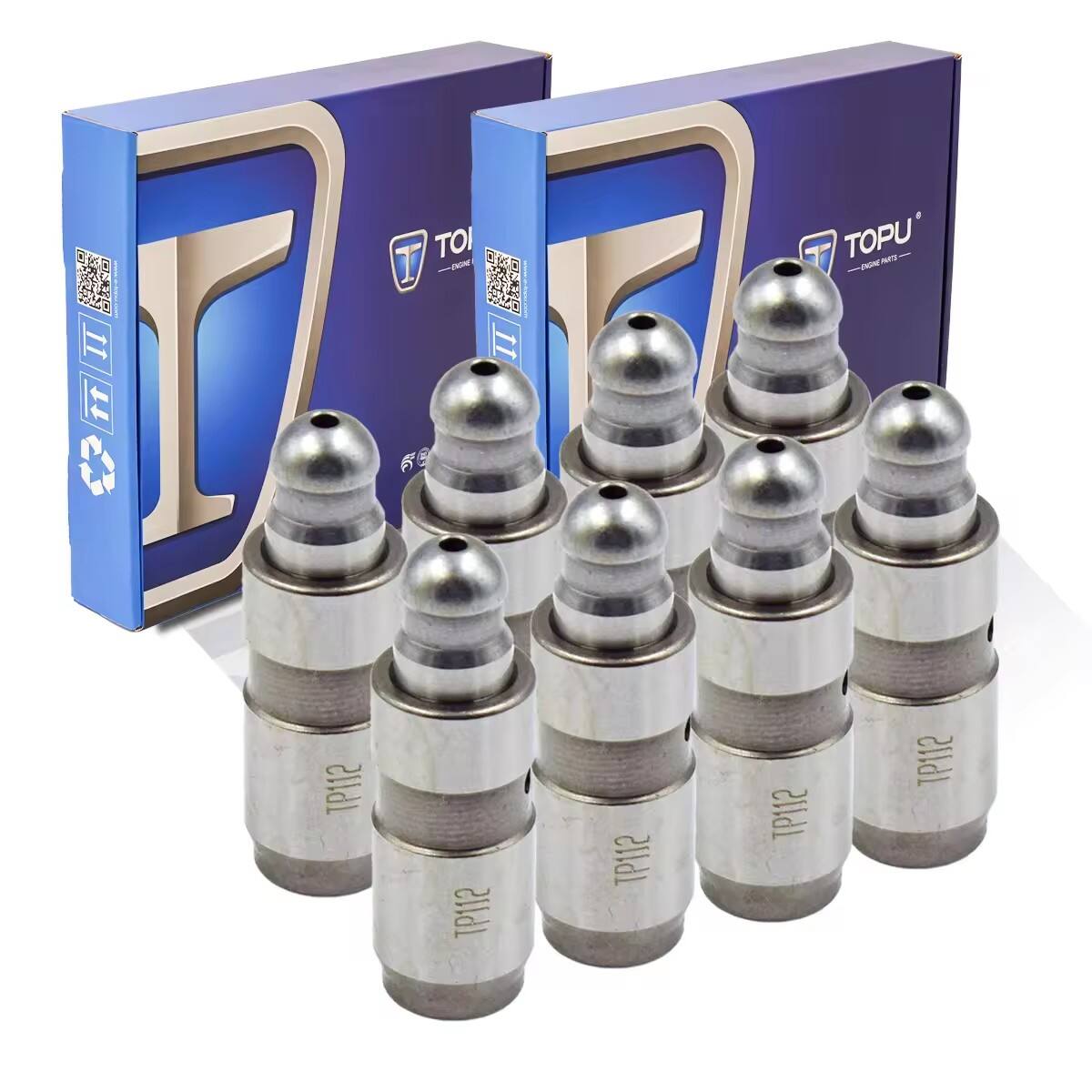
Hoc nos ad quaestionem inter novos mechanicos valde popularem adducit: num machinae modernae tappets habent?
Breviter responsum est: Ita, omnino. Omnis machina combustionis motoria hodie in via vehens valvulam pneumaticam adhibet. Attamen, si mechanicus veteris scholae ab anno 1960 intra machinam vehiculi novi anni 2026 inspiceret, eam non agnosceret.
"Elevator" traditionalis, qui in veteribus motoribus cum virga impulsoria (velut classicis Chevy LS aut veteribus Ford V8) adhibebatur, erat cylindrus metallicus ingens, gravis, calami magnitudinis, alte intra corpus motoris infossus. Ad eum inveniendum, dimidia pars motoris dilaceranda erat. Motores moderni hodierni utuntur designis valde provectis "Supra Caput Cammarum" (OHC), quod significat arbores cammarum in ipso summo motoris perfecte super valvulas sitas esse, formam valvulae omnino novam postulantes.
Evolutio in Tappam Bucket
Fabricatores autocinetorum hodierni, sicut Toyota, Volkswagen, et Ford EcoBoost, imprimis impulsore bucketo directo agente utuntur.
Loco gravis dispositionis virgarum impulsoriarum et brachiorum oscillantium, "bucket tappet" est leve, latum digitabulum metallicum quod inversum directe super fontem valvulae sedet. Axis cammarum directe super summum "bucket" sedet.
Cur Machinae Modernae Hoc Designum Praeferunt:
Pauciores Partium Mobilium: Virgis impulsoriis et brachiis oscillantibus gravibus sublatis, massa et frictio multo minor est.
Ingens Potentia RPM: Systema valvularum levius multo celerius revolutiones per minutum omnino tuto agere potest, permittens minoribus motoribus modernis ut plus quam 7000 RPM attingant et plures equos virium generent.
Parva Cura: Multae situlae modernae solidae sunt, laminis microscopicis (aut tunicis DLC provectis) in fabrica positis utentes, ut perfecte per 200,000 milia passuum currant sine umquam strepituosa adaptatione mechanica elevatoris .
Relatio Externa: Paginae machinationis autocineticae sicut MotorTrend explicant, cum machinae historicae virgarum impulsoriarum (pushrod) elevatores graves traditionales uterentur, mutationem ingentem globalem ad designia arboris cammarum supra caput (OHC) ingeniarios postulavisse ut levas, altae revolutionum per minutum, in altum systema instructas excogitarent.
Contacta TOPU pro Solutionibus Valvularum Completis.
Intellegere differentias inter magnum elevatorem Americanum antiquum et modernum elevatorem Asiaticum micropolitum maximi momenti est cuivis serio venditori partium autocineticarum.
TOPU est fabricator valvularum autocineticarum globaliter certificatus secundum IATF 16949. Sive retia distributionis tuae elevatores hydraulicos graves pro virgis impulsoriis diesel commercialibus requirunt, sive valvulas situlae DLC obductas ultra-precisas pro substitutione OEM recentioris exemplaris, officia CNC automataria possidemus ad perfectionem sine vitiis praebendam. Catalogum plenum TOPU hodie explora ut catenam subministrationis B2B tuam secures.