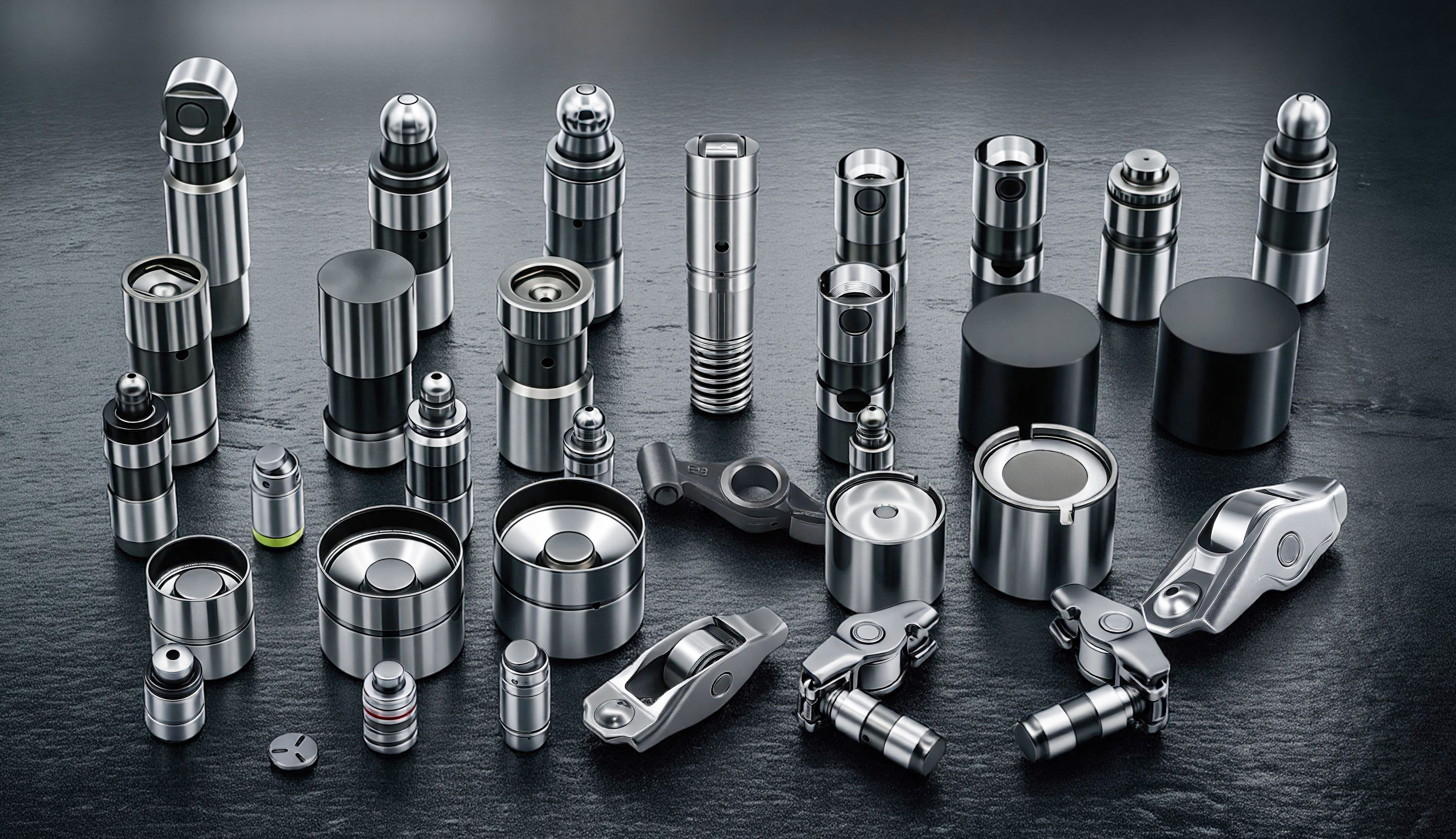
Naon ari Valve Tappet téh?
Sateuacan urang ningali ujung tombak rékayasa otomotif modéren, urang kedah ngajawab patarosan anu paling dasar: naon ari tappet?
Définisi klep tappet téh basajan pisan: Éta komponén mékanis di jero mesin durukan internal anu aya di antara camshaft anu muter sareng klep mesin . Nalika lobus camshaft anu bentukna endog muter, éta ngadorong tappet. Tappet teras mindahkeun dorongan éta pikeun pamustunganana maksa klep mesin muka pikeun ngantepkeun hawa asup atanapi kaluar.
Ngaran anéh "tappet" asalna leuwih ti hiji abad ka tukang. Dina desain otomotif mimiti, keong logam kasar ieu sacara harfiah "ngetok" sacara agrésif kana klep logam, nyiptakeun sora klik anu tarik sareng ritmis.
Naha Valve Tappets Dipikawanoh Ogé Salaku Lifters ?
Upami anjeun distributor suku cadang mobil global anu nyayogikeun komponén lintas wates, istilah tiasa janten matak bingung. Gumantung kana saha anu anjeun tanyakeun atanapi di nagara mana anjeun aya, tappet ngagaduhan seueur nami anu béda. Janten, naon anu disebut ogé tappet?
Pengangkat Klep: Frasa utama anu dianggo di Amérika Kalér, dingaranan kusabab sacara historis éta "ngangkat" pushrod dina mesin V8 klasik.
Cam Follower: Istilah anu langkung akurat sacara rékayasa anu dipikaresep di Éropa, sabab komponénna sacara harfiah "nuturkeun" profil camshaft.
Ember: Dianggo pikeun mesin overhead cam modéren, nujul kana tappet anu bentukna persis kawas cangkir nginum anu dibalikkeun.
Naha Mesin Modern Masih Perlukeun Tappets
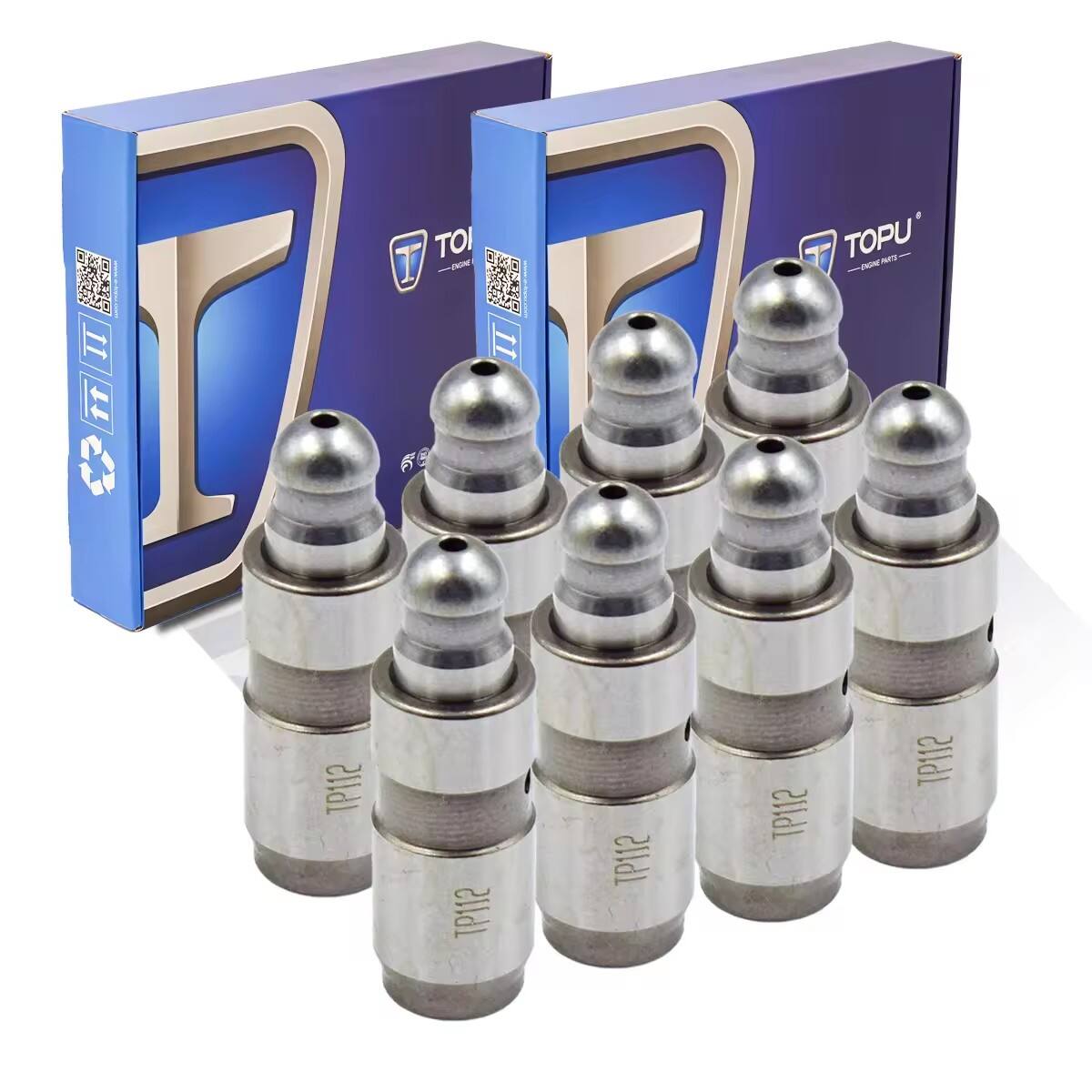
Ieu ngarahkeun urang kana patarosan anu populer pisan di kalangan mékanik énggal: naha mesin modéren gaduh tappets?
Jawaban pondokna nyaéta: Muhun, tangtosna. Unggal mesin durukan tradisional anu nyetir di jalan ayeuna nganggo tappet. Nanging, upami montir jaman baheula ti taun 1960 ningali ka jero mesin kendaraan énggal 2026, aranjeunna moal ngakuan éta.
"Angkat" tradisional anu dianggo dina mesin pushrod lami (sapertos Chevy LS klasik atanapi Ford V8 lami) nyaéta silinder logam anu ageung, beurat, ukuran pulpen anu dikubur jero di jero blok mesin. Milarian éta meryogikeun satengah mesin anu dirobek. Mesin modéren ayeuna nganggo desain Overhead Camshaft (OHC) anu canggih pisan, anu hartosna camshaft aya di luhur mesin sampurna di luhur klep, anu meryogikeun gaya tappet anu énggal.
Évolusi kana Tappet Ember
Pabrikan mobil modéren sapertos platform Toyota, Volkswagen, sareng Ford EcoBoost utamina ngamangpaatkeun Direct-Acting Bucket Tappet .
Gantina susunan pushrod jeung rocker arms anu beurat, tappet ember nyaéta bidal logam anu hampang jeung lega anu ditempatkeun tibalik langsung di luhur pegas klep. Camshaft ditempatkeun langsung di luhur ember.
Naha Mesin Modern Leuwih Milih Desain Ieu:
Bagian anu Bergerak Langkung Saeutik: Ku cara ngahapus pushrod sareng rocker arms anu beurat, massa sareng gesekan anu langkung sakedik dikirangan sacara signifikan.
Poténsi RPM Anu Masif: Valvetrain anu langkung hampang tiasa ngarévlés langkung gancang sareng aman, ngamungkinkeun mesin modéren anu langkung alit ngahontal 7.000+ RPM sareng ngahasilkeun langkung seueur tenaga kuda.
Pangropéa Gampang: Seueur ember modéren anu padet, ngamangpaatkeun shim mikroskopis (atanapi palapis DLC canggih) anu dipasang di pabrik supados tiasa dianggo sampurna salami 200.000 mil tanpa peryogi panyesuaian pengangkat mékanis anu ribut.
Rujukan Éksternal: Portal rékayasa otomotif sapertos MotorTrend ngajelaskeun yén sanaos mesin pushrod sajarah ngagunakeun lifter tradisional anu beurat, parobihan global anu ageung kana desain Overhead Camshaft (OHC) meryogikeun insinyur pikeun nimukeun tappet ember langsung anu hampang sareng RPM tinggi.
Hubungi TOPU pikeun Solusi Valvetrain anu Komprehensif
Ngartos bédana antara lifter Amérika vintage anu ageung sareng tappet ember Asia modéren anu dipoles mikro penting pisan pikeun supplier suku cadang mobil anu serius.
TOPU nyaéta produsén valvetrain otomotif anu disertipikasi sacara global ku IATF 16949. Naha jaringan distribusi anjeun meryogikeun lifter hidrolik tugas beurat pikeun diesel pushrod komérsial, atanapi tappet ember anu dilapis DLC anu ultra-presisi pikeun panggantian OEM modél akhir, kami gaduh fasilitas CNC otomatis pikeun nganteurkeun kasampurnaan nol-cacat. Jelajahi katalog TOPU lengkep ayeuna pikeun ngamankeun ranté suplai B2B anjeun.