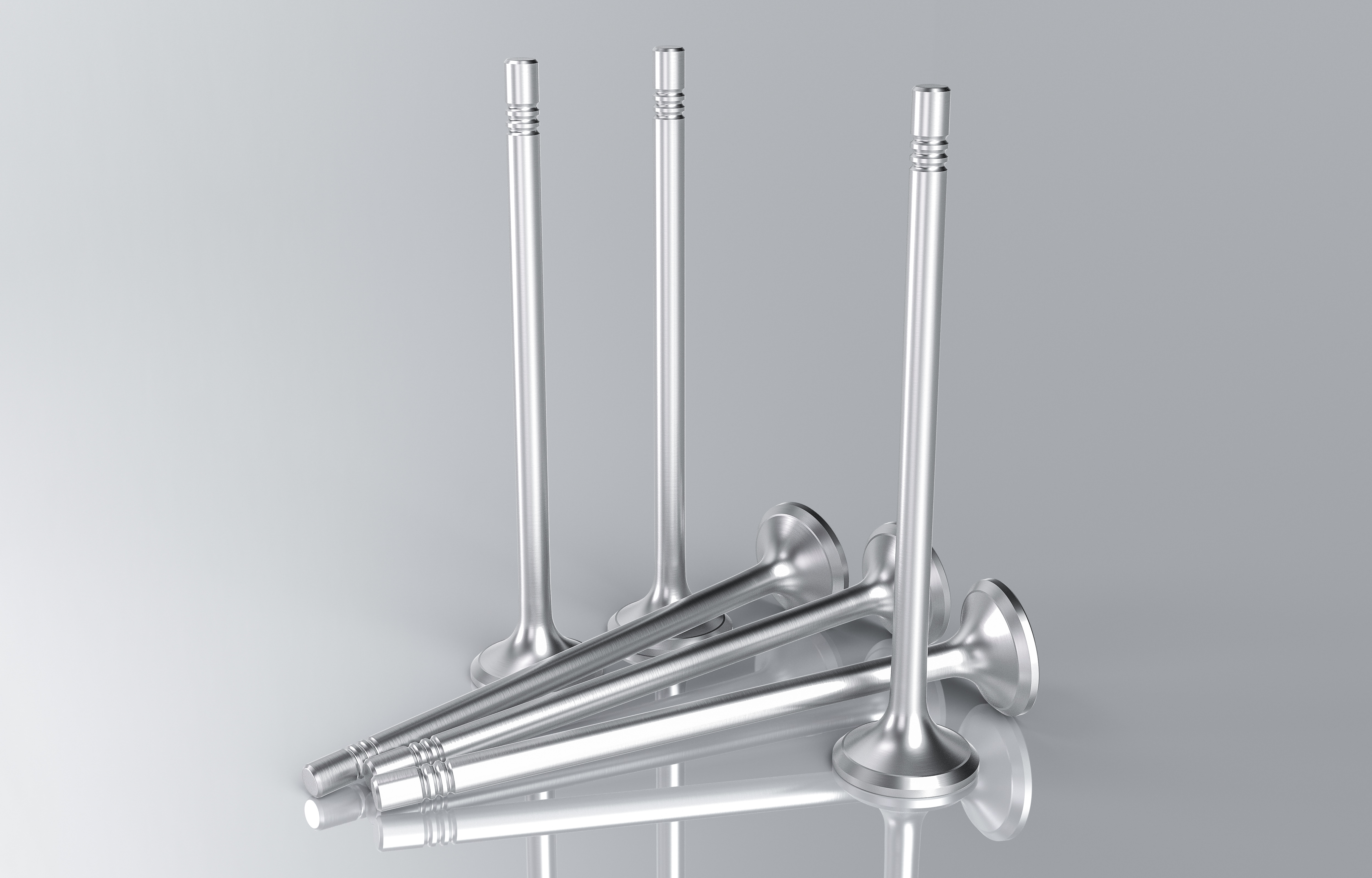
Ang kapansin-pansing pagkawala ng pagtugon ng makina o biglaang pagbaba ng konsumo ng gasolina ay hindi nangangahulugang permanenteng pagkasira ng makina. Sa maraming modernong sasakyan, ito ay nagpapahiwatig lamang ng matinding deposito ng carbon na naiipon sa mga intake valve.
Upang maunawaan kung bakit kailangang linisin ang mga balbula, mahalagang tingnan kung paano pinangangasiwaan ng mga modernong makina ang mga panloob na presyon. Ang Positive Crankcase Ventilation (PCV) system ay nagdadala ng mga hindi nasusunog na singaw ng langis mula sa bloke ng makina pabalik sa intake manifold upang masunog habang nasusunog.
Sa mga mas lumang makinang may port-injected, ang gasolina ay direktang iniispray sa ibabaw ng mga Intake Valve . Dahil ang gasolina ay isang mahusay na solvent, patuloy nitong hinuhugasan ang mga mamantikang singaw na ito. Gayunpaman, karamihan sa mga modernong sasakyan ay gumagamit ng Gasoline Direct Injection (GDI). Sa isang GDI system, ang gasolina ay direktang iniispray sa combustion chamber, na ganap na nilalampasan ang mga intake valve. Kung walang patuloy na paglilinis ng gasolina, ang mga singaw ng langis ng PCV ay tumatama sa sobrang init na metal ng mga intake valve at nagiging matigas at solidong deposito ng carbon. Sa paglipas ng sampu-sampung libong milya, ang carbon na ito ay lumalapot, na pumipigil sa daloy ng hangin na kinakailangan para sa pinakamainam na pagkasunog ng makina.
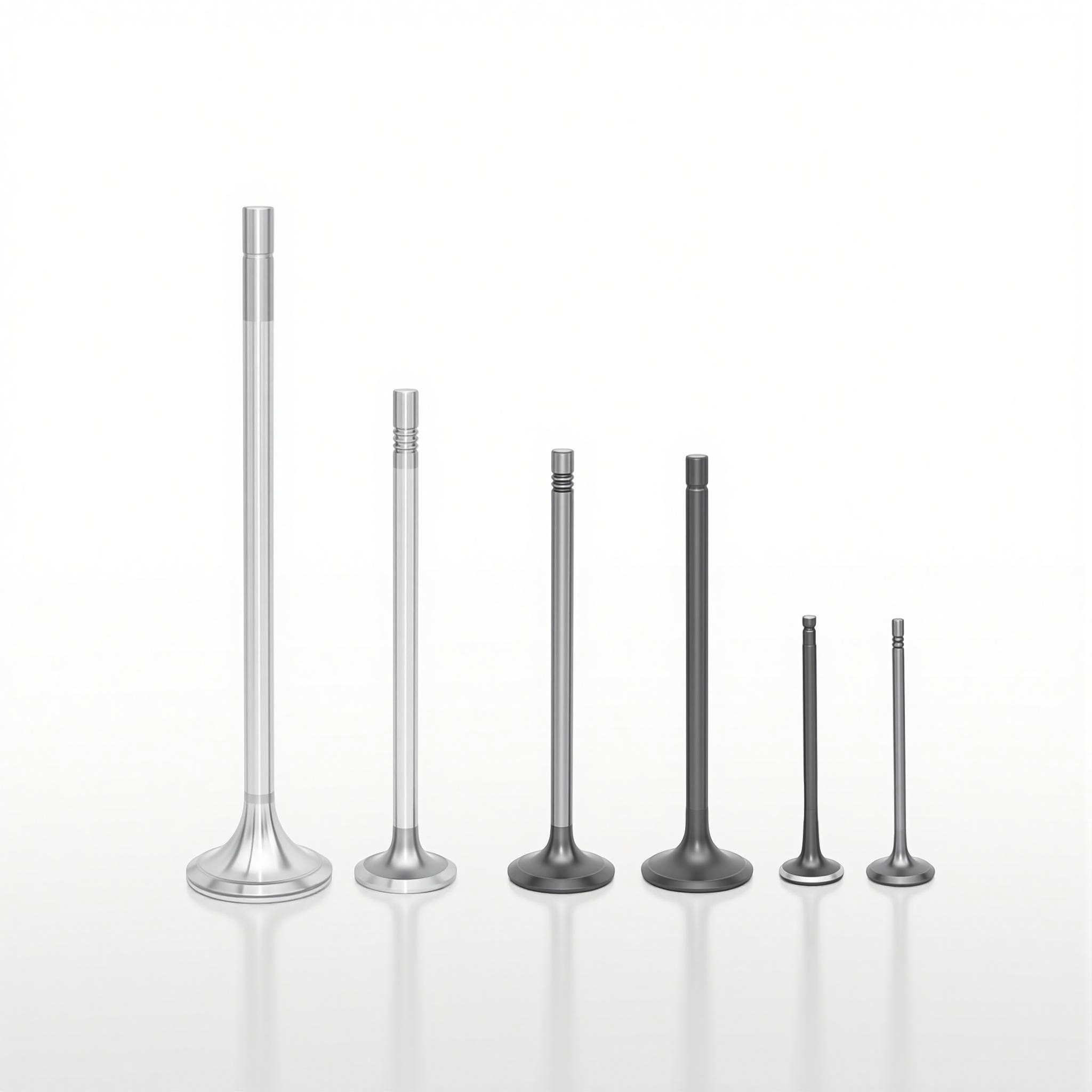
Mga Sintomas ng Limitadong Daloy ng Hangin ng Balbula
Ang naiipong carbon ay unti-unting nakakaapekto sa pagganap ng makina. Dahil ang intake tract ay gumagana na parang isang air funnel, ang anumang solidong bara ay pinipilit ang makina na magtrabaho nang mas mahirap upang huminga.
Ang pinakakapansin-pansing sintomas ay ang magaspang na pag-idle habang nagmamaneho nang malamig. Ang mga deposito ng malamig na carbon ay porous at kumikilos na parang espongha, pansamantalang sinisipsip ang pinaghalong gasolina bago ito makarating sa silid ng pagkasunog. Ito ay humahantong sa isang lean fuel condition, na nagiging sanhi ng pag-aantala o pag-aatubili ng makina hanggang sa maabot nito ang temperatura ng pagpapatakbo.
Habang lumalala ang mga deposito, makakaranas ang sasakyan ng mabagal na pagbilis at kapansin-pansing pagbaba ng konsumo ng gasolina. Sa mga malalang kaso, ang mga tumigas na tipak ng carbon ay maaaring pumigil sa mahigpit na pagsasara ng mga intake valve laban sa upuan ng balbula. Ang pagkawala ng compression na ito ay nagpapalitaw sa computer ng makina na magrehistro ng P0300 (Random Cylinder Misfire) code at magpapailaw sa Check Engine Light.
Mga Napatunayang Paraan para sa Paglilinis ng mga Balbula ng Makina
Kapag ang naiipong carbon ay umabot sa kritikal na antas, kinakailangan ang pisikal o kemikal na interbensyon. Nasa ibaba ang tatlong pangunahing paraan na ginagamit upang ligtas na linisin ang mga balbula ng makina.
1. Paglilinis Gamit ang Kemikal na Pag-inom (Banayad hanggang Katamtamang Pag-iipon)
Para sa mga sasakyang nasa mga unang yugto ng akumulasyon ng carbon, ang mga chemical intake spray ay isang lubos na mabisang pamamaraan ng pagpapanatili. Hindi tulad ng mga liquid fuel additives na ibinubuhos sa tangke ng gasolina (na hindi kailanman natatamaan ang mga balbula sa isang GDI engine), ang mga aerosol solvent na ito ay direktang ini-spray sa air intake manifold habang tumatakbo ang makina.
Binabalutan ng kemikal na solvent ang mga intake valve, sinisira ang mga molekular na kawing ng malambot na carbon sludge. Habang tumatakbo ang makina, ang natunaw na carbon ay hinihila papunta sa combustion chamber at ligtas na sinusunog palabas sa pamamagitan ng exhaust system. Ang pamamaraang ito ay medyo mura at pinakamahusay na gumagana bilang isang pang-iwas na hakbang bawat 20,000 hanggang 30,000 milya.
2. Pagsabog ng Walnut Media (Malalang Pag-iipon)
Kapag ang mga deposito ng carbon ay tumigas at naging mga crust na kasingtigas ng bato, ang mga kemikal na pag-spray ay karaniwang hindi epektibo. Ang pamantayan sa industriya para sa matinding akumulasyon ay ang pagpapasabog ng walnut shell.
Sa pamamaraang ito, tinatanggal ng isang technician ang intake manifold upang direktang ilantad ang mga balbula. Gamit ang isang espesyal na compressed-air machine, ang mga dinurog na walnut shell ay pinupukpok sa valve port. Ang mga walnut shell ay may natatanging pisikal na katangian: ang mga ito ay sapat na nakasasakit upang ganap na matanggal ang solidong carbon rock, ngunit sa matematika ay mas malambot kaysa sa mga bahagi ng aluminyo at bakal ng makina. Ginagarantiyahan nito na ang carbon ay natatanggal nang hindi nagagasgas ang mga tangkay ng balbula o cylinder head. Ang natitirang media ay pagkatapos ay nililinis gamit ang vacuum, na agad na nagpapanumbalik ng mga antas ng daloy ng hangin mula sa pabrika.
3. Manu-manong Pag-solvent at Pag-scrape (Pagsira ng Makina)
Kung ang makina ay dumanas ng labis na kapabayaan, o kung ang ulo ng silindro ay natanggal na para sa malawakang Pagkukumpuni ng Balbula , ginagamit ang manu-manong pagkayod. Ibinababad ng mga technician ang mga pinatigas na balbula sa mga kemikal na solvent na pang-industriya (tulad ng B-12 Chemtool) upang palambutin ang carbon sa loob ng ilang oras. Ang mga natitirang deposito ay maingat na kinakayod gamit ang mga brush na may bristles na tanso at mga espesyalistang piko. Bagama't matrabaho, nagbibigay ito ng komprehensibong paglilinis kapag ang makina ay na-disassemble na.
Mga Istratehiya sa Pagpapanatili ng Preventive
Bagama't hindi maiiwasan ang pag-iipon ng carbon sa mga GDI engine dahil sa disenyo nito, maaaring mapabagal nang malaki ng mga may-ari ang proseso ng pag-iipon.
Napakahalaga ang paggamit ng de-kalidad na sintetikong langis ng motor na may mababang volatility rating, dahil ang premium na langis ay naglalabas ng mas kaunting singaw sa pamamagitan ng PCV system kapag nalantad sa mataas na init. Bukod pa rito, ang pag-install ng aftermarket oil catch can ay nagbibigay ng pisikal na bitag para sa mga singaw na ito bago pa man makarating ang mga ito sa intake manifold. Panghuli, ang pagtiyak na ang sasakyan ay paminsan-minsang pinapaandar sa bilis ng highway ay nagbibigay-daan sa makina na maabot ang pinakamainam na temperatura, na tumutulong sa natural na pagsunog ng maliliit at maluwag na deposito ng carbon bago pa man ito tumigas.
I-upgrade ang Muling Paggawa ng Iyong Makina gamit ang mga Premium na Piyesa ng Valvetrain ng TOPU
Kapag ang matinding pag-iipon ng carbon ay nagtulak sa propesyonal na pagsira ng cylinder head, ang pag-inspeksyon at pagpapalit ng mga napinsalang panloob na bahagi ay mahalaga para sa kumpletong restorasyon ng makina.
Bilang nangungunang tagagawa ng sasakyang B2B, ang TOPU ay dalubhasa sa mga balbula at tagapag-angat ng balbula ng makina na may kalidad na OE na idinisenyo para sa higit na resistensya sa init at pinakamainam na daloy ng hangin. Nagseserbisyo man ng magkahalong sasakyan o muling pagtatayo ng isang makinang may mataas na pagganap, ang pagpili sa TOPU ay nagsisiguro ng pangmatagalan at walang tagas na pagiging maaasahan. Makipag-ugnayan sa aming koponan ngayon upang galugarin ang aming katalogo ng mga precision engine component.