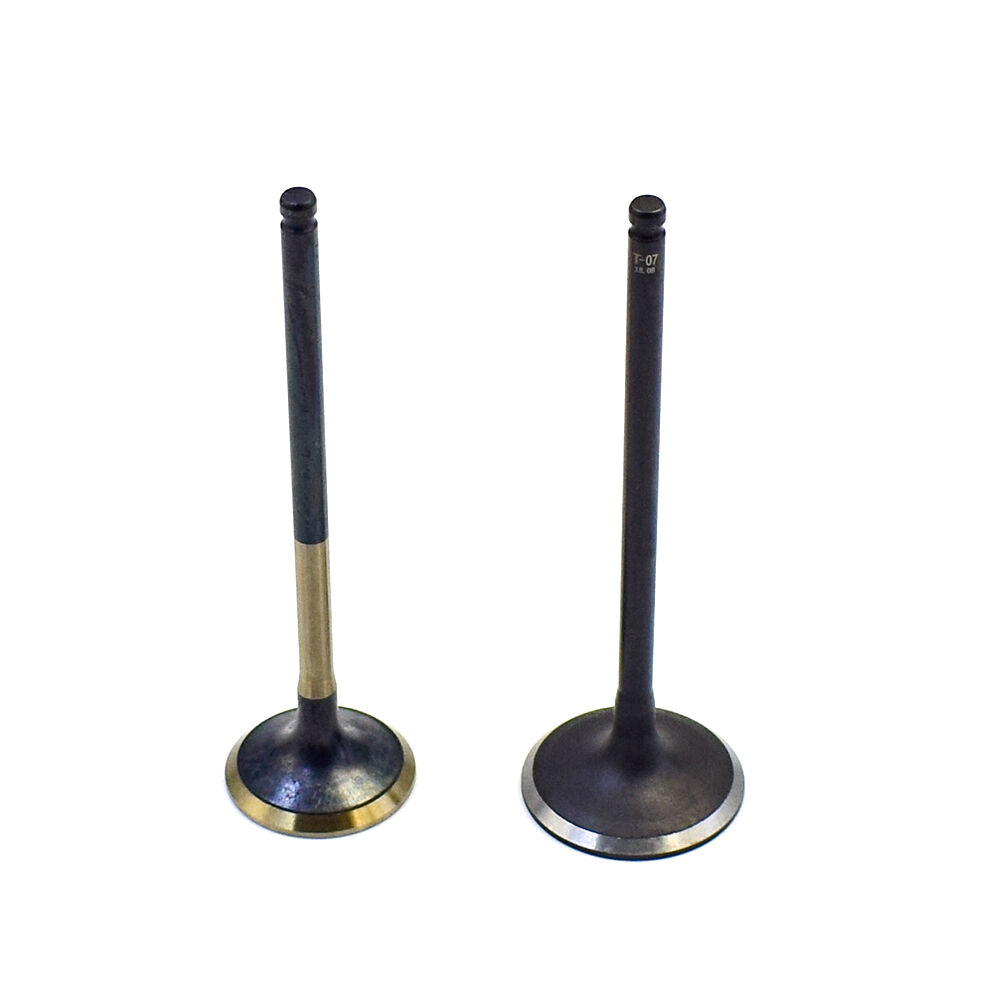
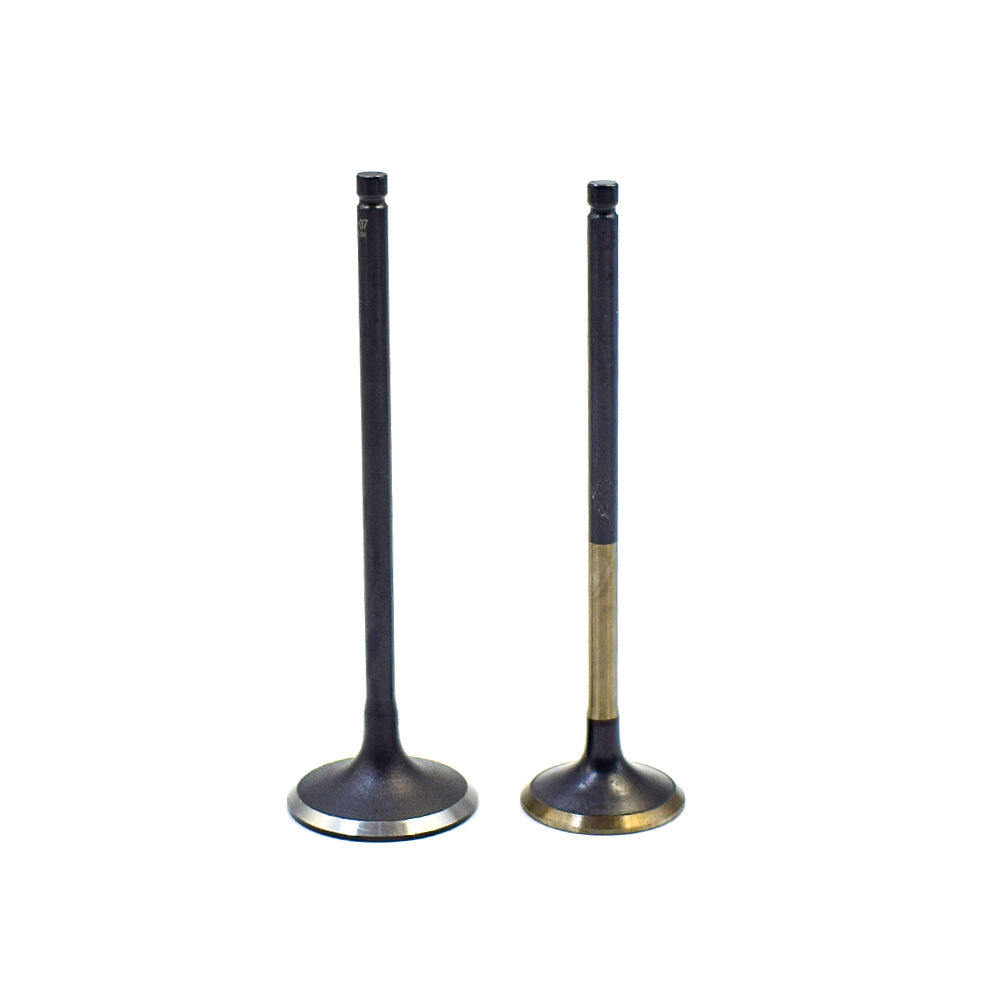
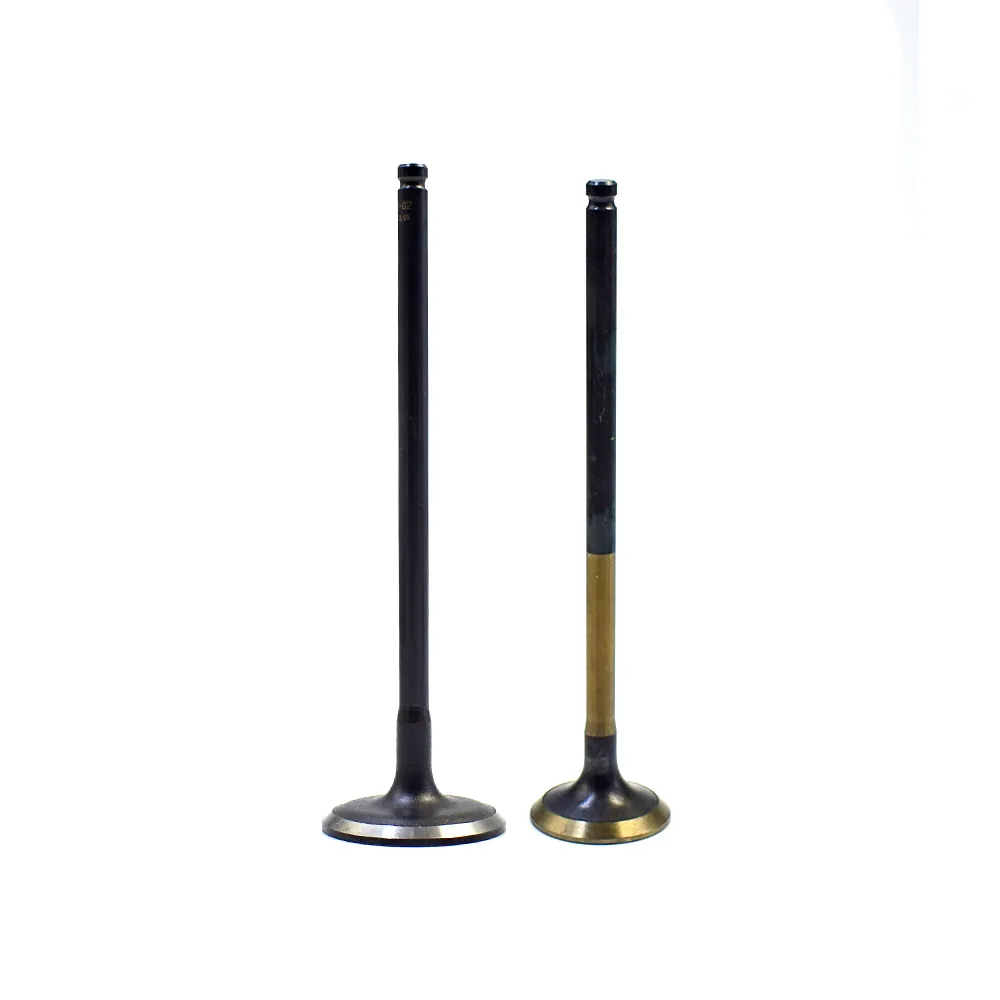
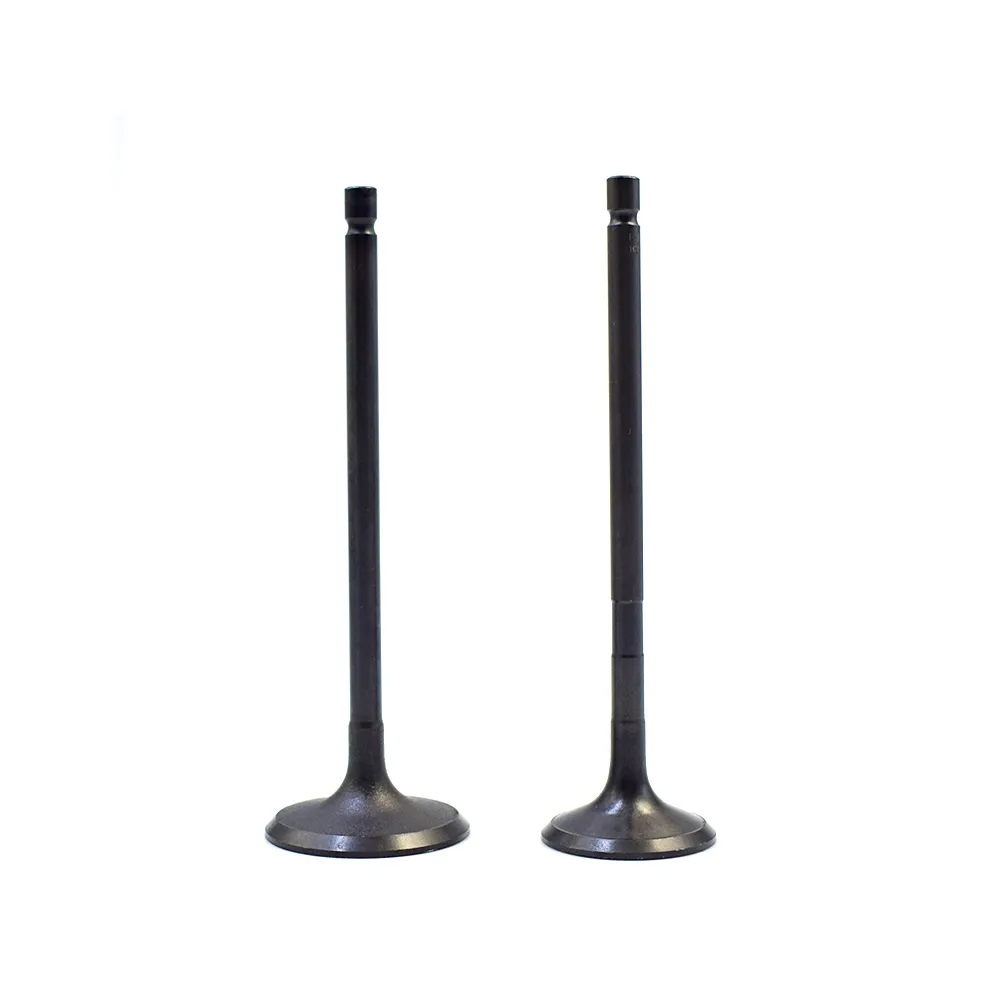
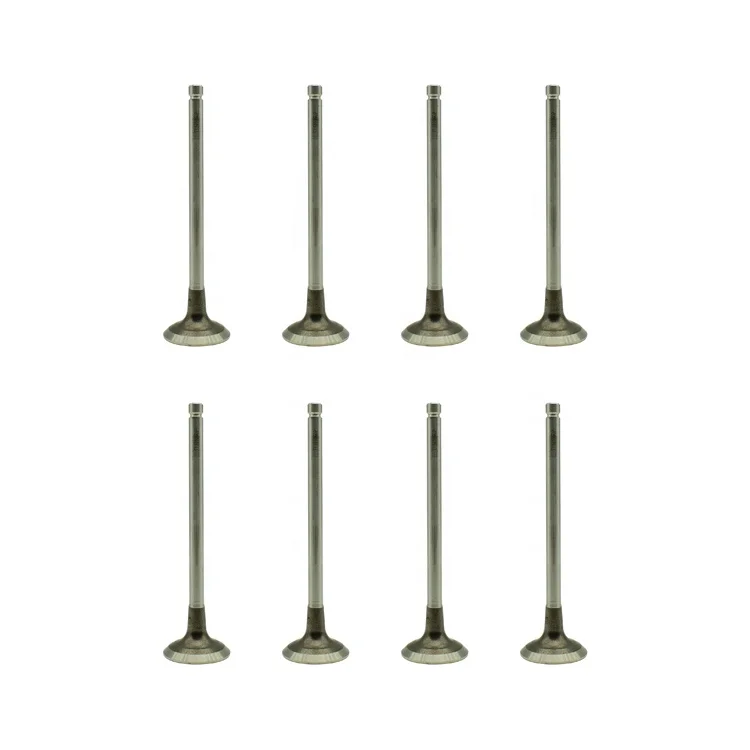
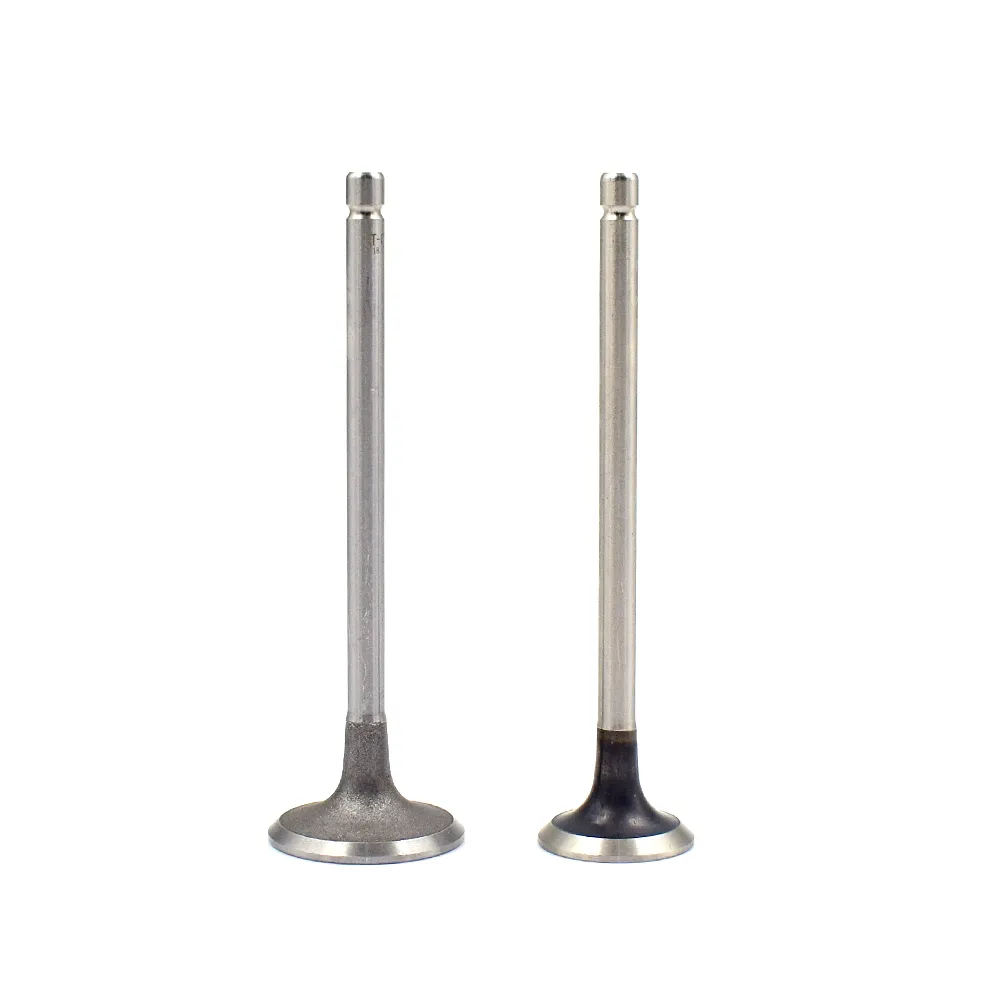
Ask what an intake valve costs and you will hear very different numbers, from about a dollar to several hundred dollars. All of them can be correct, because the price depends on who is buying and what is included. A distributor ordering a few thousand standard valves direct from a factory usually pays somewhere between $1.20 and $8.50 per piece. A car owner buying one replacement valve from a parts store typically pays $10 to $60. If a repair shop has to pull the cylinder head to replace a bent or burnt valve, the bill for parts and labor often comes to $350 to $1,500 or more—a gap driven mostly by teardown hours rather than the valve itself, as broken down in our guide to car valve replacement costs.
At TOPU, we have been manufacturing engine valves and valve tappets in Suzhou since 2009. Distributors, cylinder head rebuilders, and private-label buyers ask us about pricing every week. Below is how intake valve pricing is built up on the factory floor, why two valves that look identical can carry very different quotes, and what to check before placing a stock order.
Typical Intake Valve Prices by Buying Channel
The table below outlines typical pricing seen across the market. Part number, steel grade, surface treatment, and order volume decide the final figure.
| Buying Channel |
Indicative Price (USD) |
Typical Material & Process |
Common Buyer Profile |
| Factory direct – standard intake valve |
$1.20 – $3.50 / pc |
Martensitic steel (40Cr, 4Cr9Si2 / SUH11), chrome-plated stem |
Aftermarket distributors and rebuilders; typical MOQ from 100–500 pcs/item |
| Factory direct – bimetallic / heavy-duty |
$2.80 – $8.50 / pc |
Heat-resistant head friction-welded to martensitic stem, hard-faced seat, nitrided |
OEM programs, turbocharged, and heavy commercial engines |
| Performance / custom valve |
$12.00 – $35.00+ / pc |
Nickel-based alloys, hollow or sodium-filled stems, custom geometry |
Racing teams, specialized engine builders, small-batch ODM |
| Retail aftermarket replacement |
$10.00 – $60.00 / valve |
OE-equivalent replacement valve |
Vehicle owners and independent repair workshops |
| Repair shop replacement (parts + labor) |
$350.00 – $1,500+ total |
Cylinder head removal, valve job, gasket kit, and mechanical labor |
Vehicle owners |
The gap between factory price and local retail price covers ocean freight, import tariffs, regional warehousing, cataloging, and the cost of holding thousands of slow-moving part numbers on the shelf for same-day shop delivery. Because wholesale pricing varies by alloy and batch size, buyers working from specific OE numbers usually send their part list for an itemized quote rather than relying on broad market averages.
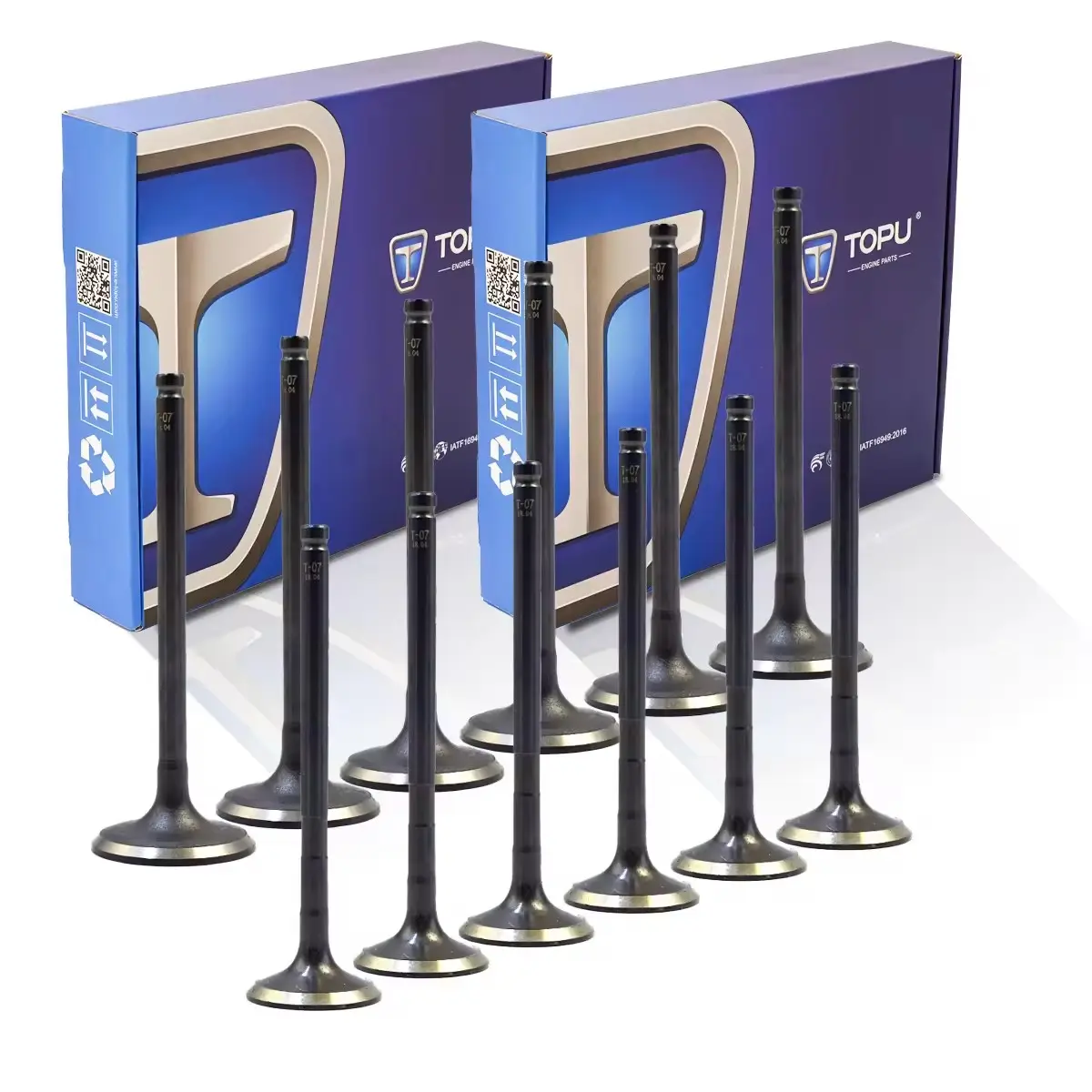
Featured Intake & Engine Valve Models
What You Are Paying For: Inside an Intake Valve
An intake valve may look like a simple mushroom-shaped piece of steel, but each zone requires distinct material properties and tight machining tolerances:
- Head and Seat Face: Seals against the cylinder head seat insert. Seat runout and angles (typically 45° or 30°) directly govern cylinder compression and heat transfer.
- Margin: The outer edge of the valve head. An undersized margin overheats and cracks under load, triggering compression loss and rough idle—two of the classic signs of a faulty intake valve—while an oversized margin adds weight and restricts airflow.
- Fillet and Neck: The curved transition between head and stem. Its profile shapes intake airflow into the cylinder and supports high-RPM fatigue strength.
- Stem: Slides inside the valve guide millions of times over engine life. Stems require micron-level diameter control and hard chrome plating or nitriding to prevent scuffing and oil consumption.
- Keeper Grooves and Tip: Lock in the spring retainers and take repeated contact from rocker arms or tappets. Tips are typically induction-hardened so they do not mushroom or pit.
Because each zone calls for dedicated heat treatment, grinding, and inspection passes, two valves that look the same from across the bench can carry very different manufacturing costs.
Material and Surface Treatment

Raw steel grade is the single largest cost driver in intake valve production.
Because incoming air and fuel cool the intake valve on every intake stroke, most naturally aspirated passenger car engines run reliably on one-piece martensitic steels such as 40Cr, SUH3, or 4Cr9Si2 (SUH11). These grades machine cleanly, respond well to heat treatment, and keep unit pricing economical.
Direct-injection, turbocharged, and dry-fuel (CNG/LPG) engines put much higher heat and wear onto the valve seat. For these engines, manufacturers move to bimetallic valves:
- The head is forged from heat-resistant austenitic steel (such as 21-4N / EV8).
- The stem is forged from hardenable martensitic steel for guide wear resistance.
- The two pieces are joined by friction welding, trimmed, and tested.
Surface treatments account for the rest of the price spread:
- Hard Chrome Plating: Applied to the stem (typically 0.003–0.005 mm) to cut friction and prevent galling inside cast iron or bronze guides.
- Nitriding (Gas or Salt-Bath / QPQ): Hardens the entire valve surface for scuff resistance and corrosion protection in diesel and commercial engines.
- Stellite Hard-Facing: Cobalt alloy welded onto the seat face via plasma transferred arc (PTA) welding to stop seat recession in LPG, CNG, or heavy-load fleets.
- Induction-Hardened Tips: Localized hardening at the stem tip where it meets mechanical tappets or rockers.
How an Intake Valve Is Manufactured

A standard intake valve goes through 10 to 15 operations between bar stock and the export carton:
- Shearing & Electric Upsetting: Bar stock is cut to length and heated at one end to form a forged bulb.
- Hot Forging: Precision dies press the hot bulb into the valve head profile.
- Friction Welding (Bimetallic): For two-piece valves, the austenitic head and martensitic stem are spun together under pressure, then trimmed clean.
- Heat Treatment: Controlled quenching and tempering establish core strength, toughness, and hardness.
- Rough Machining: CNC turning sets head diameter, stem length, fillet shape, and keeper grooves.
- Seat Hard-Facing (When specified): Automated PTA welding deposits Stellite onto the seat face, followed by stress relief.
- Precision Grinding: Multi-pass centerless grinding holds stem diameter within microns, followed by seat-angle and groove grinding.
- Surface Treatment: Chrome plating or nitriding, followed by stem polishing.
- Inspection & Packing: Optical dimensional checks, runout and crack testing, demagnetizing, anti-rust oiling, and packing.
Tighter tolerances, oversize stem runs (+0.25 mm / +0.50 mm for cylinder head rebuilders), and bimetallic welding add cycle time and inspection steps, all of which show up in the unit quote.
Price Differences by Engine Type
Even before looking at brand names, the engine family tells you roughly where a valve will sit on price:
OE, Aftermarket, and Private-Label Sourcing
The exact same valve specification reaches the market through different channels at very different prices:
- Genuine OE Dealer Parts: Sold in carmaker packaging through dealer networks; carries brand overhead and the highest retail markup.
- OE-Equivalent Aftermarket Valves: Built to OEM drawings, steel grades, and tolerances by IATF 16949 manufacturers; the standard choice for parts importers and professional engine rebuilders.
- Private-Label Programs: Manufactured on the same production lines and packed in a distributor's own branded boxes—supported through our OEM and private-label aftermarket programs.
- Unverified Budget Valves: Made from downgraded bar stock with loose stem tolerances or skipped plating; a few cents saved upfront often turns into costly warranty comebacks.
Intake Valve vs. Exhaust Valve Pricing
For the same engine, exhaust valves typically cost 20% to 50% more than matching intake valves.
Intake valves get cooled by fresh air-fuel charge on every cycle, so martensitic steel handles most standard applications. Exhaust valves sit directly in hot exhaust gas exceeding 700°C to 800°C, meaning they almost always need high-nickel austenitic steel (21-4N), bimetallic welding, or Stellite seats. Even though intake valves usually have a larger head diameter, simpler metallurgy makes them the lower-cost half of an engine set. When comparing supplier quotes for complete sets, ask to see intake and exhaust prices itemized separately.
Cost Factors Beyond Unit Price

Comparing two quotes on unit price alone can hide real differences in landed cost:
- Tooling & Sampling Fees: Stock OE numbers require zero tooling. If a custom valve needs new forging dies, check whether the tooling charge is refunded once orders pass an agreed volume.
- Packaging Format: Bulk workshop trays for cylinder head rebuilders cost less per piece than individual neutral boxes, full-engine set boxes, or custom-printed private-label cartons.
- Shipping Terms (EXW, FOB, CIF): Valves are compact but heavy. Ocean freight keeps landed cost low on wholesale restocks, while air courier is best saved for pre-production samples or urgent fill-in orders.
- Quality Documentation: Confirm whether your quote includes mill material certificates, hardness and runout logs, or PPAP documentation for OEM projects.
Before releasing a volume order, it is good practice to request mill certificates for the steel grades used, stem/tip hardness readings, dimensional and runout reports, chrome or nitride thickness checks, and production-line samples for sign-off.
What to Include When Requesting a Wholesale Quote
If you are pricing an upcoming stock order or checking availability on specific part numbers, sharing a few basic details up front helps our engineering and export team quote accurately on the first reply:
- OE or aftermarket part numbers. If you have a list of numbers, you can check direct matches first in our OEM cross-reference lookup tool, or see how OE, OEM, and aftermarket codes cross over.
- Engine code and duty type—for example
1ZZ-FE, K24A, or 2TR-FE, plus whether you need standard OEM spec, an LPG/CNG Stellite seat upgrade, or oversize stems.
- Basic measurements if there is no part number. Head diameter, stem diameter, overall length, and seat angle are usually enough to match an unmarked sample—see our guide on identifying an engine valve without an OE number.
- Estimated quantity and packing preference—standard stock MOQs start around 100–500 pieces per number, and intake valves, exhaust valves, and matching tappets can be consolidated in one shipment under bulk, neutral, or private-label packing.
You can send your OE list or technical drawings through our wholesale inquiry page (which supports multi-line part lists), leave a quick note in the message form at the bottom of this page, or reach our Suzhou desk directly at [email protected] or on WhatsApp at +86 138 6266 4011. We typically reply within one business day with stock status, MOQ, and tiered FOB or CIF pricing.