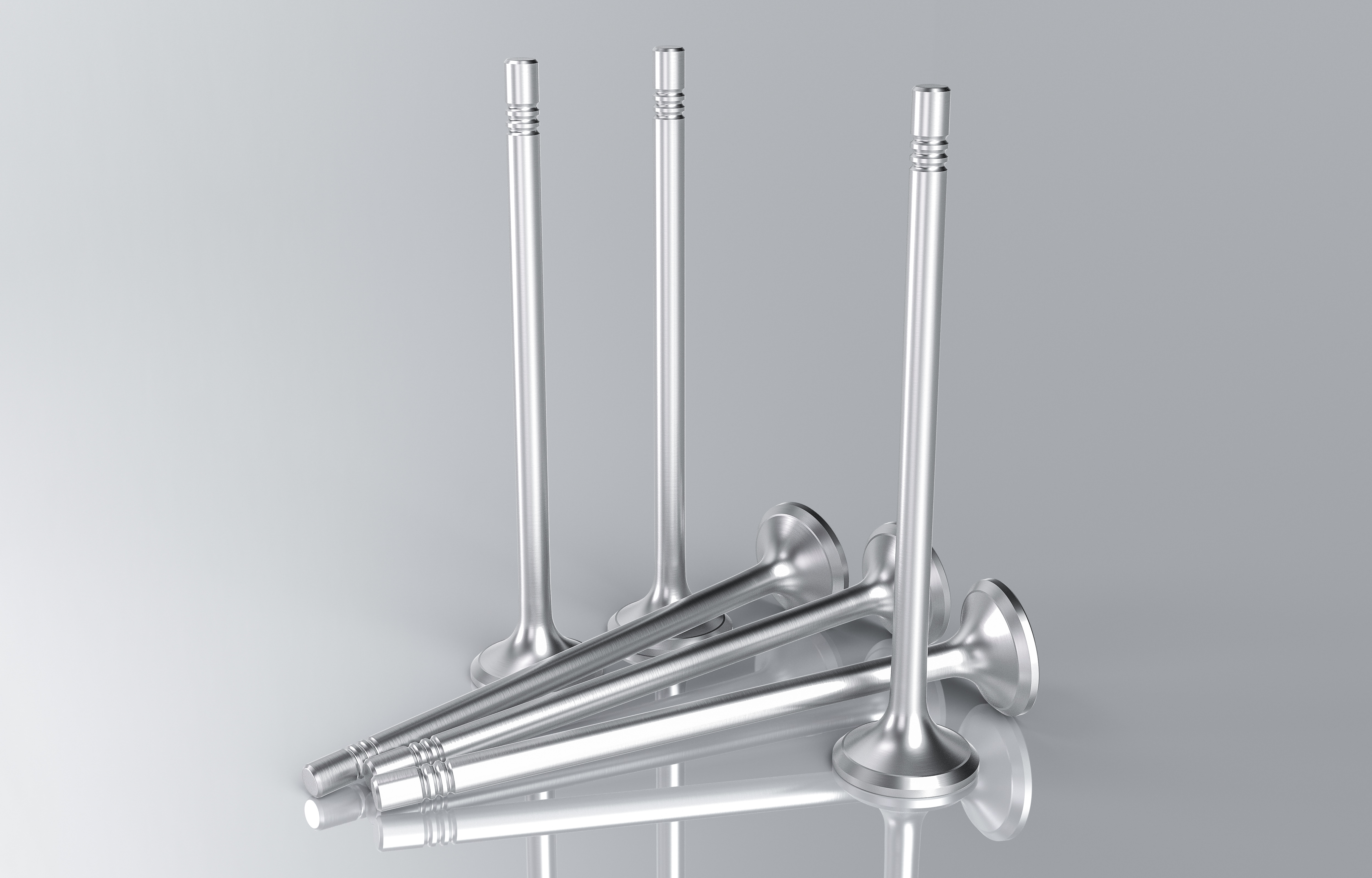
Pastebimas variklio reakcijos laiko sumažėjimas arba staigus degalų sąnaudų sumažėjimas nebūtinai rodo nuolatinį mechaninį gedimą. Daugelyje šiuolaikinių transporto priemonių tai tiesiog rodo dideles anglies nuosėdų sankaupas ant įsiurbimo vožtuvų.
Norint suprasti, kodėl vožtuvus reikia valyti, būtina išnagrinėti, kaip šiuolaikiniai varikliai susidoroja su vidiniu slėgiu. Teigiamos karterio ventiliacijos (PCV) sistema nukreipia nesudegusius alyvos garus iš variklio bloko atgal į įsiurbimo kolektorių, kur jie sudeginami degimo metu.
Senesniuose varikliuose su įpurškimu į įsiurbimo kolektorių, degalai buvo purškiami tiesiai ant įsiurbimo vožtuvų . Kadangi benzinas yra puikus tirpiklis, jis nuolat plaudavo šiuos aliejingus garus. Tačiau dauguma šiuolaikinių transporto priemonių naudoja tiesioginio benzino įpurškimo (GDI) sistemą. GDI sistemoje degalai purškiami tiesiai į degimo kamerą, visiškai apeinant įsiurbimo vožtuvus. Be nuolatinio benzino valymo poveikio, PCV alyvos garai susiduria su itin karštu įsiurbimo vožtuvų metalu ir suformuoja kietas, kietas anglies nuosėdas. Nuvažiavus dešimtis tūkstančių mylių, ši anglis tirštėja, ribodama oro srautą, reikalingą optimaliam variklio degimui.
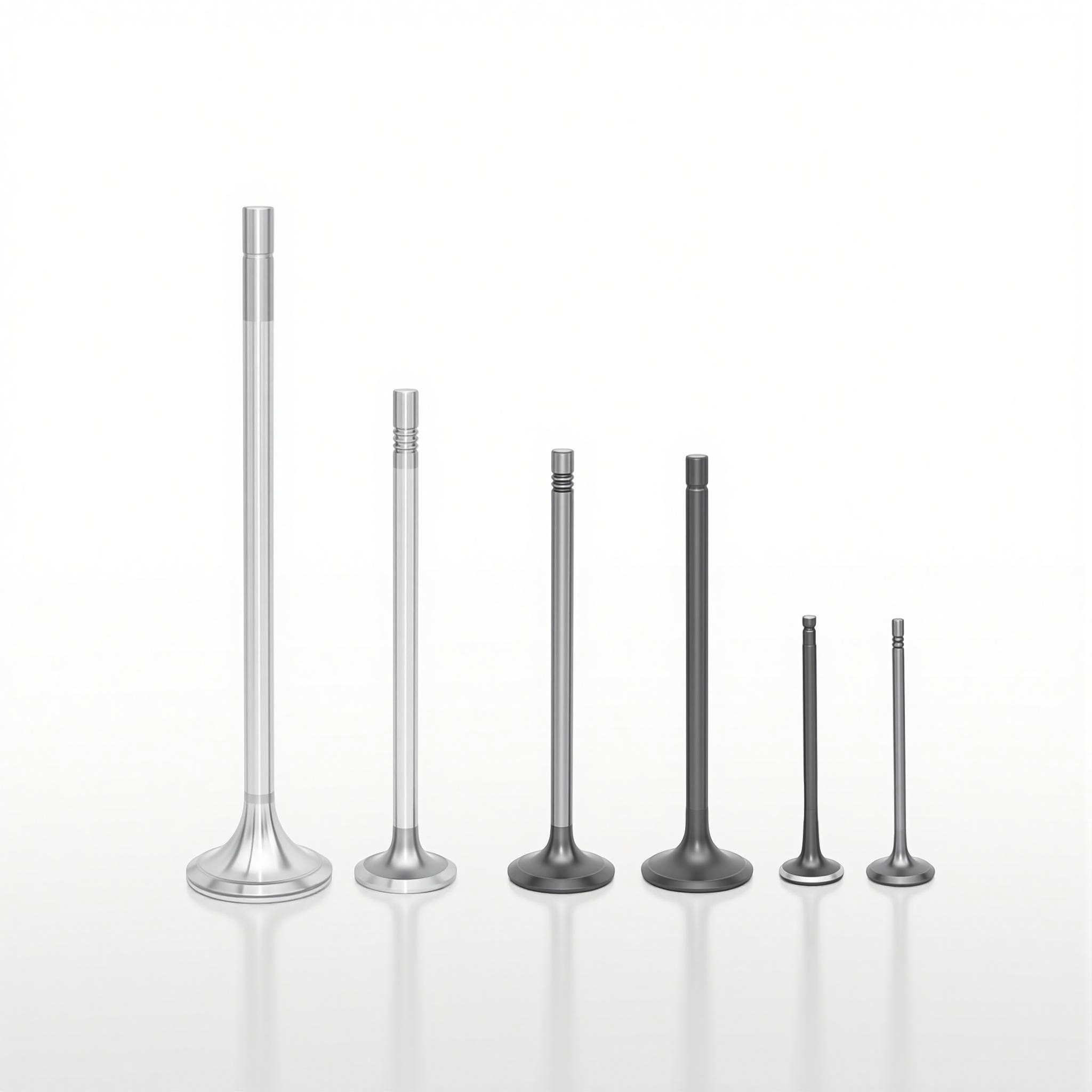
Apriboto vožtuvo oro srauto simptomai
Anglies sankaupos palaipsniui veikia variklio darbą. Kadangi įsiurbimo traktas veikia kaip oro piltuvas, bet kokia kieta kliūtis verčia variklį dirbti sunkiau, kad kvėpuotų.
Ryškiausias simptomas yra netolygus tuščiosios eigos veikimas šalto užvedimo metu. Šaltos anglies nuosėdos yra porėtos ir veikia kaip kempinė, laikinai sugerdamos degalų mišinį, kol jis nepasiekia degimo kameros. Dėl to susidaro liesas degalų mišinys, todėl variklis stringa arba dvejoja, kol pasiekia darbinę temperatūrą.
Didėjant nuosėdų kiekiui, automobilis lėtai greitės ir pastebimai sumažės degalų ekonomija. Sunkiais atvejais sukietėję anglies gabalai gali neleisti įsiurbimo vožtuvams sandariai užsidaryti prie vožtuvo lizdo. Dėl suspaudimo sumažėjimo variklio kompiuteris užregistruoja P0300 (atsitiktinio cilindro uždegimo sutrikimo) kodą ir užsidega variklio gedimo lemputė.
Patikrinti variklio vožtuvų valymo metodai
Kai anglies sankaupos pasiekia kritinį lygį, būtina imtis fizinių arba cheminių priemonių. Žemiau pateikiami trys pagrindiniai metodai, naudojami saugiai išvalyti variklio vožtuvus.
1. Cheminis įsiurbimo angos valymas (nedidelis arba vidutinis apnašų kaupimasis)
Transporto priemonėms, kuriose anglies kaupimasis pradeda prasidėti, cheminiai įsiurbimo purškalai yra labai veiksminga priežiūros procedūra. Skirtingai nuo skysto kuro priedų, pilamų į degalų baką (kurie GDI variklyje niekada neliečia vožtuvų), šie aerozoliniai tirpikliai purškiami tiesiai į oro įsiurbimo kolektorių, kai variklis veikia.
Cheminis tirpiklis padengia įsiurbimo vožtuvus, nutraukdamas minkštosios anglies nuosėdų molekulinius ryšius. Varikliui veikiant, ištirpusi anglis įtraukiama į degimo kamerą ir saugiai sudeginama per išmetimo sistemą. Šis metodas yra gana nebrangus ir geriausiai veikia kaip prevencinė priemonė kas 20 000–30 000 mylių.
2. Valgomojo riešuto abrazyvinis valymas (stiprus apnašų kaupimasis)
Kai anglies nuosėdos sukietėja ir sudaro kietą plutą, cheminiai purškikliai paprastai yra neveiksmingi. Pramonės standartas stiprioms nuosėdoms pašalinti yra graikinių riešutų kevalų valymas srove.
Šios procedūros metu technikas nuima įsiurbimo kolektorių, kad tiesiogiai atidengtų vožtuvus. Specializuotu suspausto oro įrenginiu į vožtuvo angą įpučiami susmulkinti graikinių riešutų kevalai. Graikinių riešutų kevalai pasižymi unikalia fizine savybe: jie yra pakankamai abrazyviniai, kad visiškai pašalintų kietą anglies uolieną, tačiau matematiškai minkštesni nei variklio aliuminio ir plieno komponentai. Tai užtikrina, kad anglis bus pašalinta nesubraižant vožtuvų kotų ar cilindro galvutės. Likęs teršalas tada išsiurbiamas, nedelsiant atkuriant gamyklinį oro srauto lygį.
3. Rankinis tirpiklių naudojimas ir grandymas (variklio išardymas)
Jei variklis buvo itin apleistas arba jei cilindro galvutė jau buvo nuimta atliekant išsamų vožtuvų remontą , naudojamas rankinis grandymas. Technikai sukietėjusius vožtuvus kelias valandas mirko pramoninio stiprumo cheminiuose tirpikliuose (pvz., B-12 Chemtool), kad suminkštintų anglies nuosėdas. Likusios nuosėdos kruopščiai nugramdomos žalvario šerelių šepečiais ir specialiais krapštukais. Nors tai daug darbo reikalaujantis procesas, užtikrinamas išsamus valymas, kai variklis jau yra išardytas.
Prevencinės priežiūros strategijos
Nors anglies kaupimasis GDI varikliuose dėl jų konstrukcijos yra neišvengiamas, savininkai gali gerokai sulėtinti kaupimosi procesą.
Labai svarbu naudoti aukštos kokybės sintetinę variklinę alyvą su mažu lakumu, nes aukščiausios kokybės alyva, veikiama didelės kaitros, per PCV sistemą išskiria mažiau garų. Be to, įrengus neoriginalią alyvos gaudyklę, šie garai gali būti fiziškai sulaikomi, kol jie nepasiekia įsiurbimo kolektorių. Galiausiai, retkarčiais važiuojant greitkelio greičiu, variklis gali pasiekti optimalią temperatūrą, o tai padeda natūraliai sudeginti nedidelius, palaidus anglies nuosėdas, kol jos nesukietėja.
Atnaujinkite savo variklį su aukščiausios kokybės TOPU vožtuvų mechanizmo dalimis
Kai dėl didelio anglies sankaupų kiekio reikia profesionaliai išardyti cilindro galvutę, pažeistų vidinių dalių patikrinimas ir pakeitimas yra labai svarbus norint visiškai atkurti variklį.
Būdami pirmaujančiu B2B automobilių gamintoju, „TOPU“ specializuojasi originalios įrangos kokybės variklių vožtuvų ir vožtuvų keltuvų gamyboje, užtikrinant puikų atsparumą karščiui ir optimalų oro srautą. Nesvarbu, ar aptarnaujate mišrų automobilių parką, ar atnaujinate didelio našumo variklį, pasirinkus „TOPU“, užtikrinamas ilgalaikis ir patikimas veikimas be nuotėkių. Susisiekite su mūsų komanda šiandien ir peržiūrėkite mūsų tiksliųjų variklių komponentų katalogą.