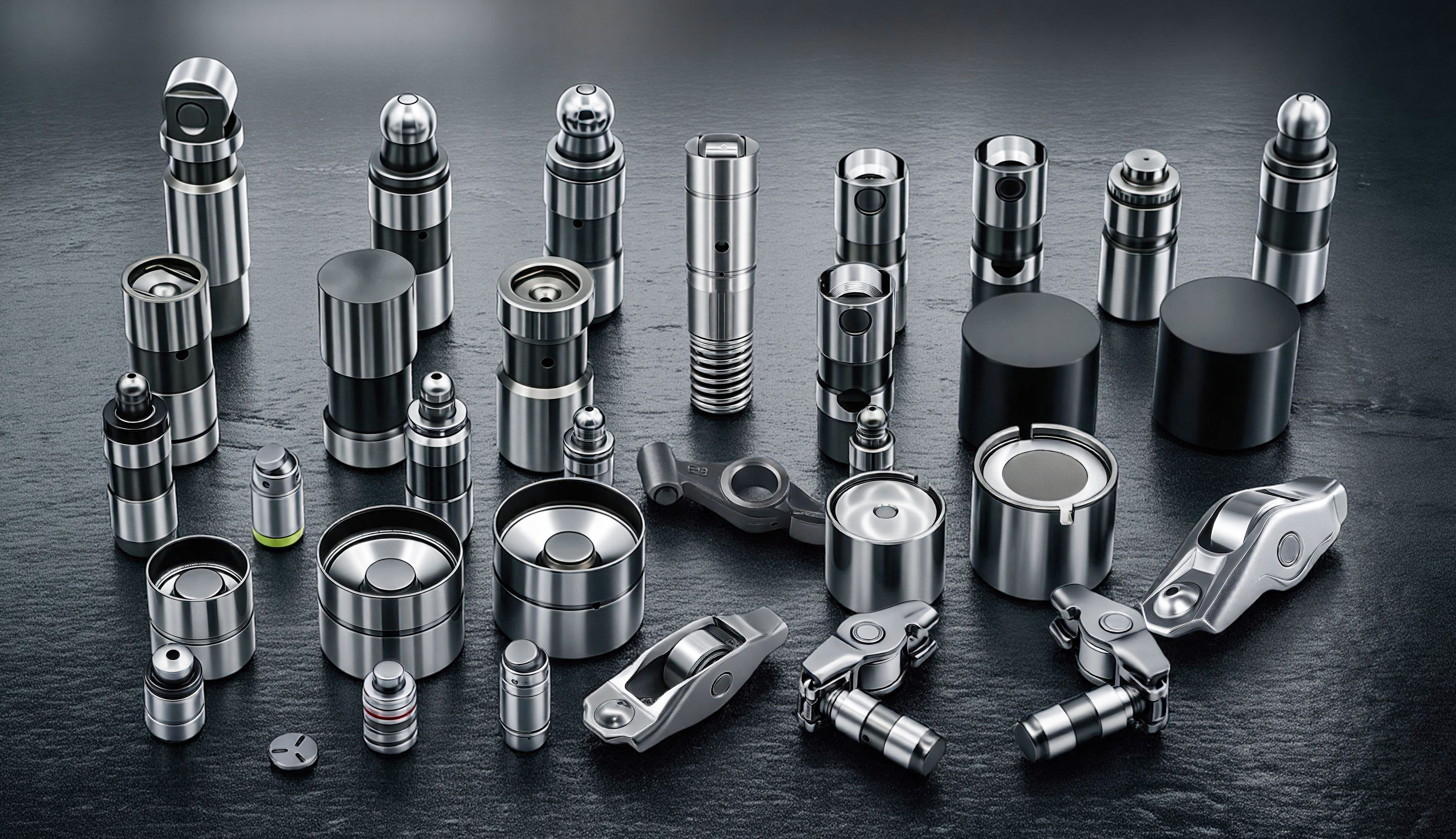
Klapan Tappet nədir?
Müasir avtomobil mühəndisliyinin qabaqcıl texnologiyalarına nəzər salmazdan əvvəl ən əsas suala cavab verməliyik: tappet nədir?
Klapan kranının tərifi olduqca sadədir: Bu, fırlanan eksantrik mili ilə mühərrik klapanları arasında yerləşən daxili yanma mühərrikinin içərisindəki mexaniki komponentdir. Eksantrik milinin yumurta formalı hissəsi fırlandıqca kran kranına itələyir. Daha sonra kran kran klapanını havanın daxil olmasına və ya xaric olmasına imkan vermək üçün açmağa məcbur etmək üçün həmin itələməni ötürür.
Qəribə "tappet" adı bir əsrdən çox əvvəl yaranmışdır. Erkən avtomobil dizaynlarında bu xam metal şlaklar metal klapanlara sanki aqressiv şəkildə "vurularaq" yüksək, ritmik tıklama səsi yaradırdı.
Klapan kranları həmçinin qaldırıcılar kimi də tanınır?
Əgər siz qlobal avtomobil hissələri distribütoru olmaqla yanaşı, sərhədləri aşaraq komponentlər tədarük edirsinizsə, terminologiya olduqca qarışıq ola bilər. Kimdən soruşduğunuzdan və ya hansı ölkədə olduğunuzdan asılı olaraq, tappet bir çox fərqli adla tanınır. Bəs tappet nə adlanır?
Klapan Qaldırıcısı: Şimali Amerikada istifadə olunan əsas ifadə, tarixən klassik V8 mühərriklərində itələyici çubuqları "qaldırdığı" üçün belə adlandırılıb.
Kam İzləyicisi: Avropada daha çox mühəndislik baxımından dəqiq istifadə edilən bir termin, çünki komponent sözün əsl mənasında eksantrik milinin profilini "izləyir".
Vedrə: Müasir başı cam mühərrikləri üçün istifadə olunur və tam olaraq tərs çevrilmiş içməli fincana bənzər formalı tappetlərə aiddir.
Niyə müasir mühərriklərin hələ də tappetlərə ehtiyacı var
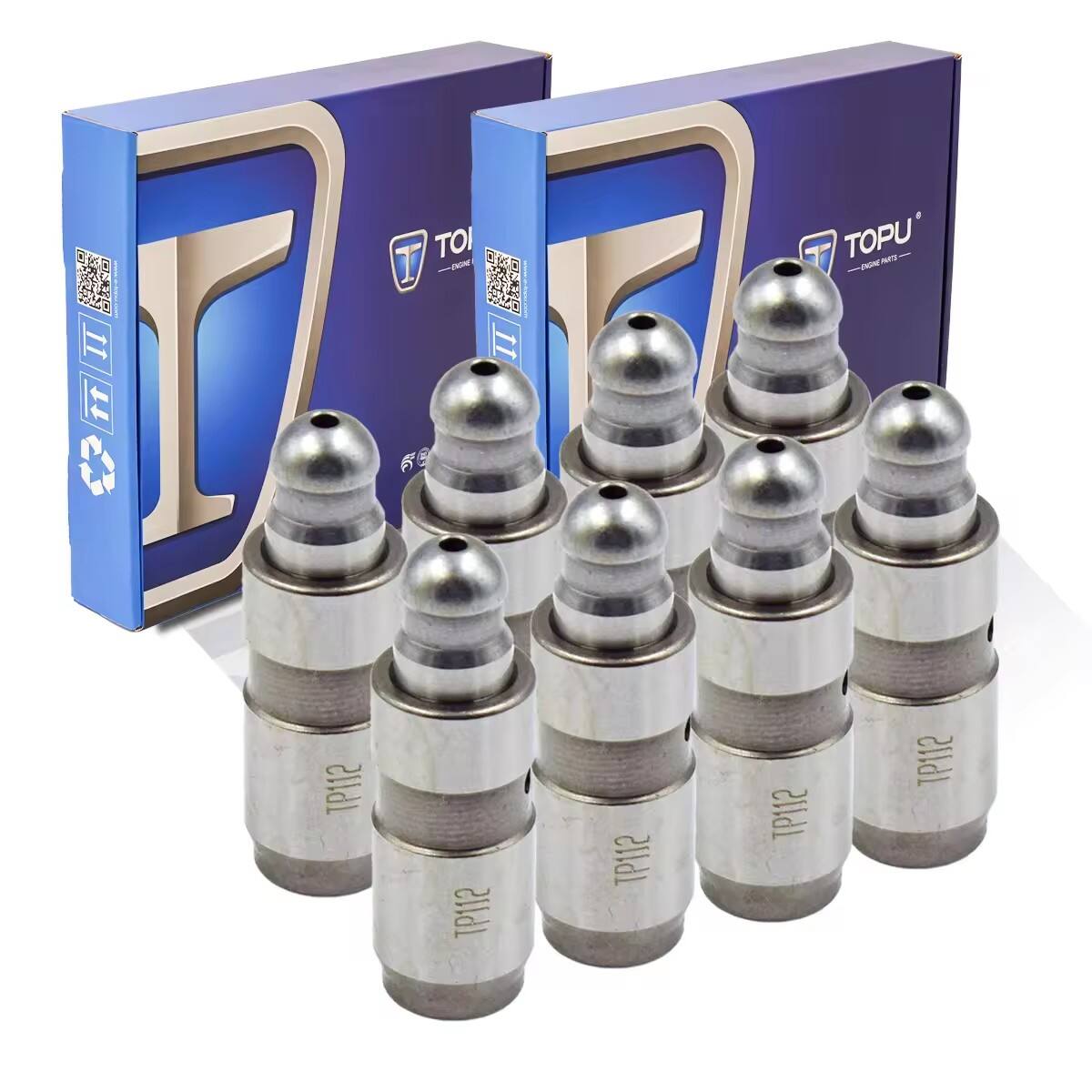
Bu, bizi yeni mexaniklər arasında çox populyar bir suala gətirir: müasir mühərriklərdə kranlar varmı?
Qısa cavab: Bəli, mütləqdir. Bu gün yolda hərəkət edən hər bir ənənəvi yanma mühərriki kran istifadə edir. Lakin, 1960-cı ildən bəri köhnə məktəb mexaniki yeni 2026-cı il buraxılışlı avtomobilin mühərrikinin içinə baxsaydı, onu tanımazdı.
Köhnə itələyici mühərriklərdə (klassik Chevy LS və ya köhnə Ford V8 kimi) istifadə edilən ənənəvi "qaldırıcı", mühərrik blokunun içərisində dərin basdırılmış nəhəng, ağır, qələm ölçülü metal silindr idi. Onları tapmaq üçün mühərrikin yarısını sökmək lazım gəlirdi. Bugünkü müasir mühərriklər yüksək dərəcədə inkişaf etmiş Üst Eksantrik Val (OHC) dizaynlarından istifadə edir, yəni eksantrik vallar mühərrikin ən yuxarı hissəsində klapanların üzərində mükəmməl şəkildə yerləşir və tamamilə yeni bir kran stilini tələb edir.
Vedrə Tappetinə Təkamül
Toyota, Volkswagen və Ford kimi müasir avtomobil istehsalçıları əsasən birbaşa təsirli vedrəli tappetdən istifadə edirlər.
Ağır itələyici çubuqlar və yellənən qollar əvəzinə, vedrə tappeti, klapan yayının birbaşa üzərində tərs çevrilmiş yüngül, enli metal oymaqdır. Eksantrik mili birbaşa vedrənin üstündə yerləşir.
Müasir Mühərriklər Niyə Bu Dizaynı Seçir:
Daha az hərəkətli hissələr: Ağır itələyici çubuqları və yellənən qolları silməklə kütlə və sürtünmə xeyli az olur.
Kütləvi dövr/dəqiqə potensialı: Daha yüngül klapan mexanizmi daha sürətli və tamamilə təhlükəsiz şəkildə dövr edə bilər və bu da kiçik müasir mühərriklərin 7000+ dövr/dəqiqəyə çatmasına və daha çox at gücü istehsal etməsinə imkan verir.
Az Baxım: Bir çox müasir vedrələr möhkəmdir və səs-küylü mexaniki qaldırıcı tənzimləməsinə ehtiyac olmadan 200.000 mil məsafəni mükəmməl şəkildə idarə etmək üçün fabrikdə quraşdırılmış mikroskopik örtüklərdən (və ya qabaqcıl DLC örtüklərindən) istifadə edirlər.
Xarici istinad: MotorTrend kimi avtomobil mühəndisliyi portalları izah edir ki, tarixi itələyici mühərriklərdə ağır ənənəvi qaldırıcılar istifadə olunsa da, Yerüstü Eksantrik Şaft (OHC) dizaynlarına qlobal kütləvi keçid mühəndislərdən yüngül, yüksək dövr/dəqiqəlik birbaşa vedrəli kranlar icad etməyi tələb etdi.
Hərtərəfli Valvetrain Həlləri üçün TOPU ilə əlaqə saxlayın
Böyük ölçülü köhnə Amerika qaldırıcısı ilə mikro cilalanmış müasir Asiya vedrə qaldırıcısı arasındakı fərqləri anlamaq hər hansı bir ciddi avtomobil hissələri təchizatçısı üçün vacibdir.
TOPU, qlobal miqyasda sertifikatlaşdırılmış avtomobil klapan istehsalçısıdır . İstər kommersiya itələyici çubuqlu dizel mühərrikləri üçün ağır yüklü hidravlik qaldırıcılar , istərsə də son model OEM dəyişdirilməsi üçün ultra dəqiq DLC örtüklü vedrə kranları tələb etsin, qüsursuz mükəmməllik təmin etmək üçün avtomatlaşdırılmış CNC imkanlarımız var. B2B təchizat zəncirinizi təmin etmək üçün bu gün tam TOPU kataloqunu araşdırın .