OEM and aftermarket engine parts are often discussed as if one category is always better. In real sourcing work, the answer is more specific. OEM parts offer known fit and brand-backed specification. Aftermarket parts can offer better availability and cost, but quality depends heavily on the manufacturer.
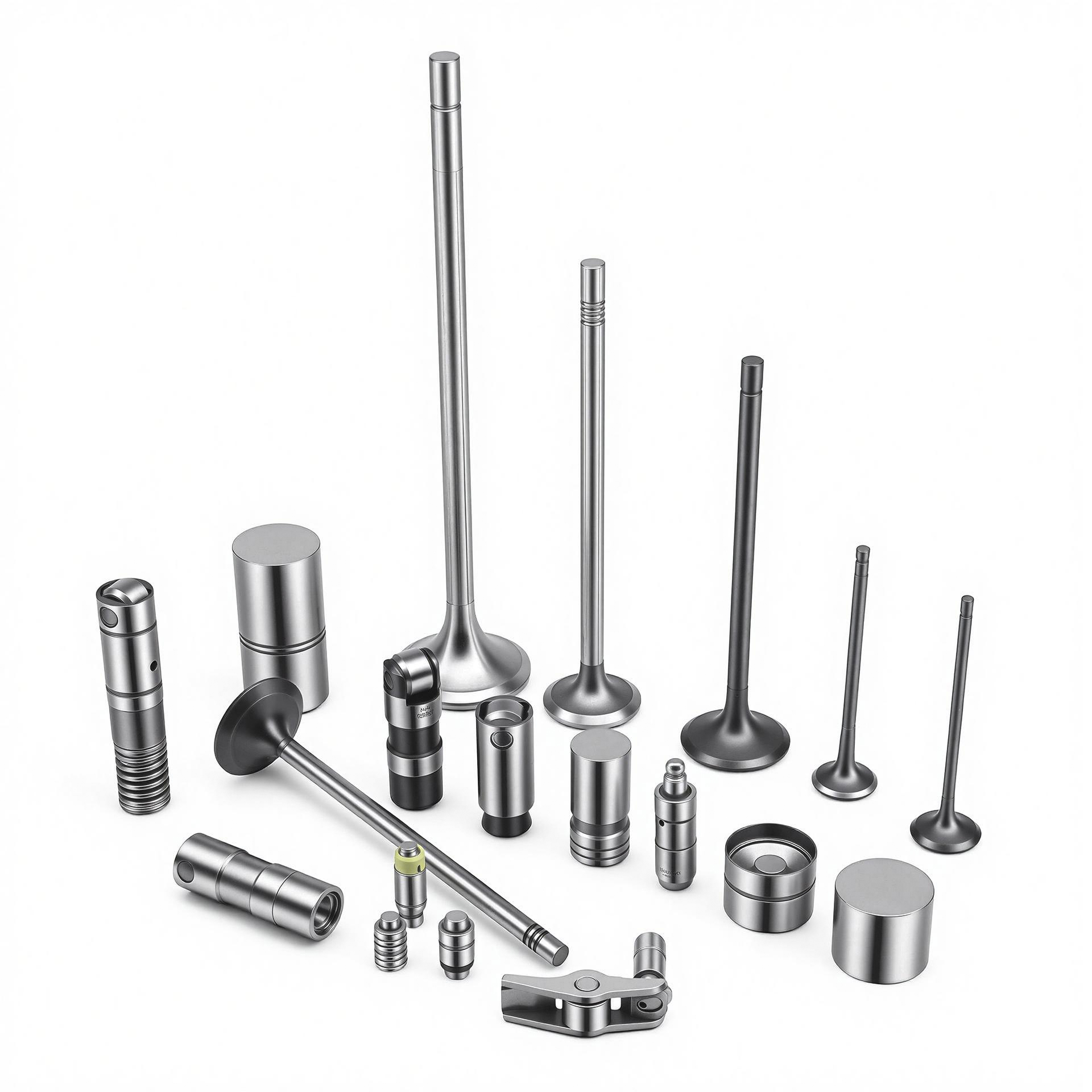
For internal components such as engine valves, valve lifters covered in TOPU's valve lifter guide, guides, tappets, and timing parts, the supplier's material control and inspection process matter more than the label on the box.
Organizations such as MEMA and its aftermarket groups publish industry context on the replacement parts market; buyers should still verify part-level quality and application fit before purchasing.
OEM, OES, and Aftermarket: Clear Definitions
Term | Meaning | Buyer takeaway |
|---|---|---|
OEM | Original Equipment Manufacturer part tied to the vehicle maker specification | Strong fit confidence, often higher price |
OES | Original Equipment Supplier part from a supplier that serves OE programs | Can offer OE-style quality without dealership branding |
Aftermarket | Replacement part made for service or repair markets | Quality range is wide; supplier verification is essential |
Private label | Part packed under a distributor or brand owner's label | Requires strong specification, packaging, and QC control |
Aftermarket does not automatically mean poor quality. It means the part is sold outside the original automaker's branded channel. Some aftermarket parts are budget replacements; others are built by specialized manufacturers for professional repair markets.
Fitment and Quality Differences
OEM parts are usually chosen when the buyer wants the least ambiguity. The part number, application, and performance expectation are tied to the vehicle maker's service channel.
Aftermarket buyers need to do more validation. For simple exterior parts, this may be limited to dimensions and appearance. For engine parts, the checklist is deeper: steel grade, heat treatment, surface finish, hydraulic function, coating, hardness, and application data all matter.
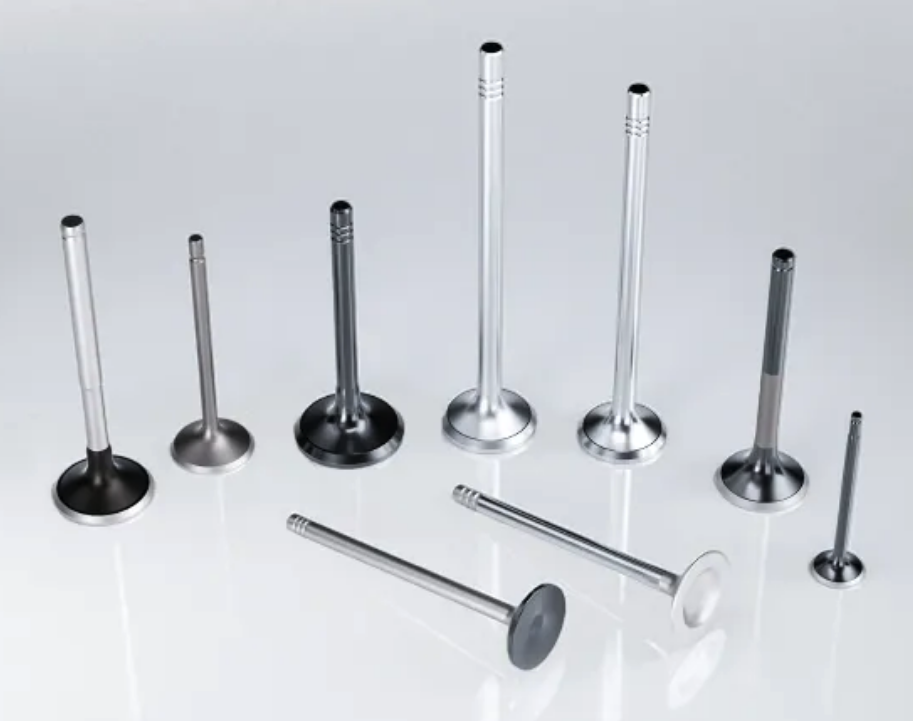
A low-cost exhaust valve that does not match heat requirements can create much larger warranty cost than the purchase price difference. For material selection, the stronger supporting page is TOPU's engine valve materials guide.
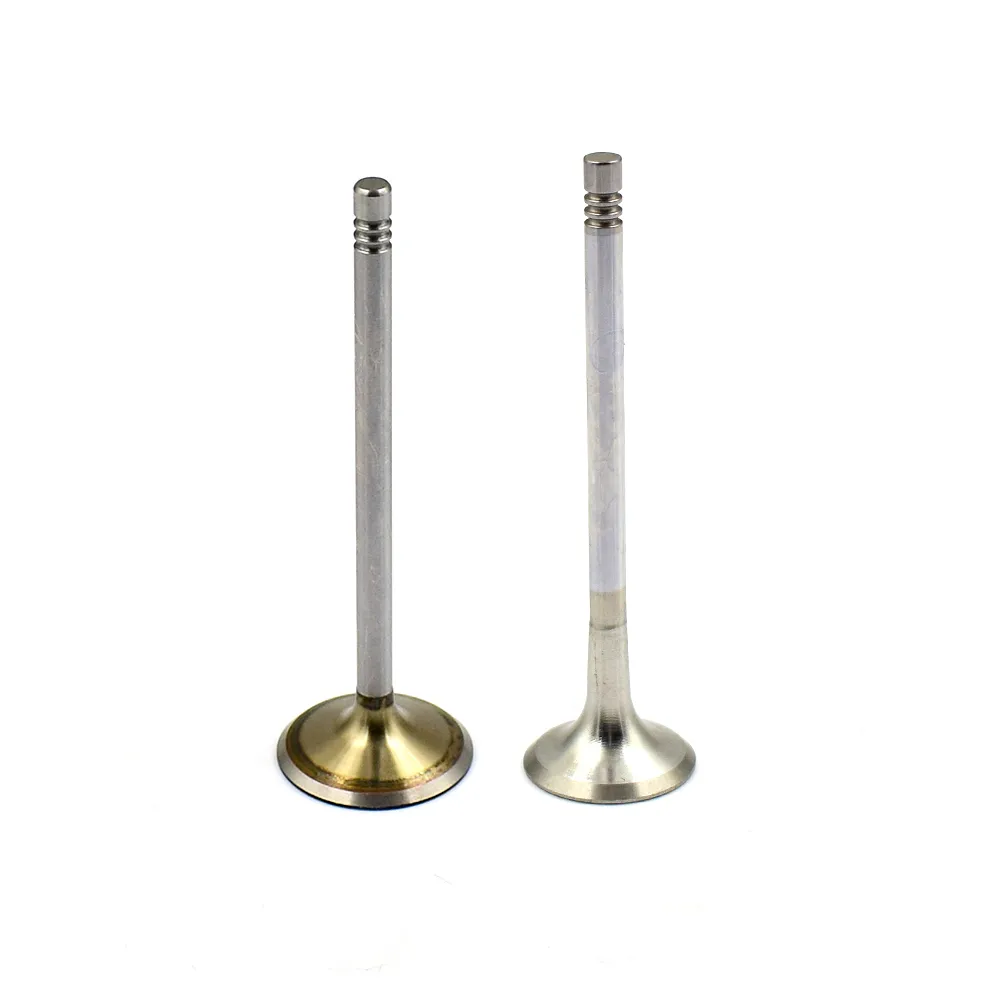
Exact OEM-number matching is the safest way to move from a general comparison to a real sourcing decision. For example, VW/Audi EA888 Gen2 valve buyers can review TOPU's 06D109601M / 06D 109 611H / 06D 109 611K intake and exhaust valve product page before requesting samples or cross-reference confirmation.
When Aftermarket Engine Parts Make Sense
Aftermarket sourcing can make sense when:
OEM parts are unavailable, delayed, or too expensive for the market.
The manufacturer can provide reliable OE cross-references.
Material and inspection requirements are documented.
Samples can be checked before bulk purchase.
Packaging, labeling, and carton marking fit the distributor's channel.
For distributors, aftermarket sourcing is not just about lower unit price. It is about building a repeatable supply program with stable fitment data and clear quality documents.
What Engine Parts Distributors Should Audit
Audit item | Why it matters |
|---|---|
Active quality certification | Shows the factory has a managed quality system |
Application database | Reduces wrong-fit returns |
Material traceability | Supports valve, tappet, and guide durability |
Functional testing | Important for hydraulic lifters, tensioners, and moving assemblies |
Packaging control | Prevents mixed SKUs and protects parts during shipping |
Corrective action process | Helps resolve batch issues quickly |
For automotive suppliers, AIAG's IATF 16949 resources describe the standard as a quality management system framework for automotive production and service parts. Certification does not guarantee a perfect part, but it gives buyers a stronger basis for process review.
Source OEM Engine Parts From TOPU
TOPU supplies engine valves, valve lifters, tappets, timing-related components, and other valvetrain parts for distributors and rebuild programs. We can support application matching, sample review, packaging discussion, and available quality documentation for OEM and aftermarket supply projects. Contact TOPU with your target OE numbers and order volume.