
A customer sends you a VIN and asks for a bulk order of valves. Easy enough. Then the parts arrive at the shop and don't fit, because someone dropped a different engine into that truck five years ago.
The VIN and the engine code answer two different questions. The VIN tells you what the car was built with. The engine code tells you what's actually in it today. Most of the time they agree. When they don't, the engine code is the one that matters—whether you buy engine valves in bulk or stock wholesale valve lifters.
Here's how we use both numbers on our own order desk, and when each one can let you down.
Two Numbers, Two Different Jobs
The VIN is the 17-character number on the windshield and the door sticker. Think of it as the car's birth certificate. It shows where the car was built, the model year, and which engine it had when it left the factory. You can decode one for free with the NHTSA VIN decoder.
The engine code is stamped onto the engine itself. You'll see names like 2TR-FE, 4G63, or CCZA. It doesn't care about the badge, the trim level, or the paint. It only tells you which engine family you're working with—and that's what decides the size of the valves and lifters inside.
| Situation | Can you trust the VIN? | Can you trust the engine code? | What to do |
|---|---|---|---|
| Original car, first rebuild | Yes | Yes | Use the VIN to find the part number, then check that the engine code matches. |
| Old work truck, van, or taxi | Not on its own | Yes | Read the engine code first. The engine may have been swapped. |
| Engine changed partway through production | Yes (shows build date) | Only partly | Use both together. |
| Loose head or engine with no car | Not available | Yes | Use the engine code plus a few measurements. |
When the VIN Gets It Wrong
Engines get swapped all the time—especially in work trucks, delivery vans, and taxis. A shop pulls a used engine from a salvage yard, bolts it in, and the car goes back on the road. The VIN never changes, so it still points to the old engine.
We saw this with a distributor in Latin America. They sent us a Toyota Hilux VIN that decoded to the 2.0L 1TR-FE. Before quoting, we asked for a photo of the engine block. It turned out to be the 2.7L 2TR-FE, swapped in years earlier. The two engines look alike from the top, but their valves are not the same size. That one photo stopped a full order of the wrong 1TR-FE valves from leaving the warehouse.
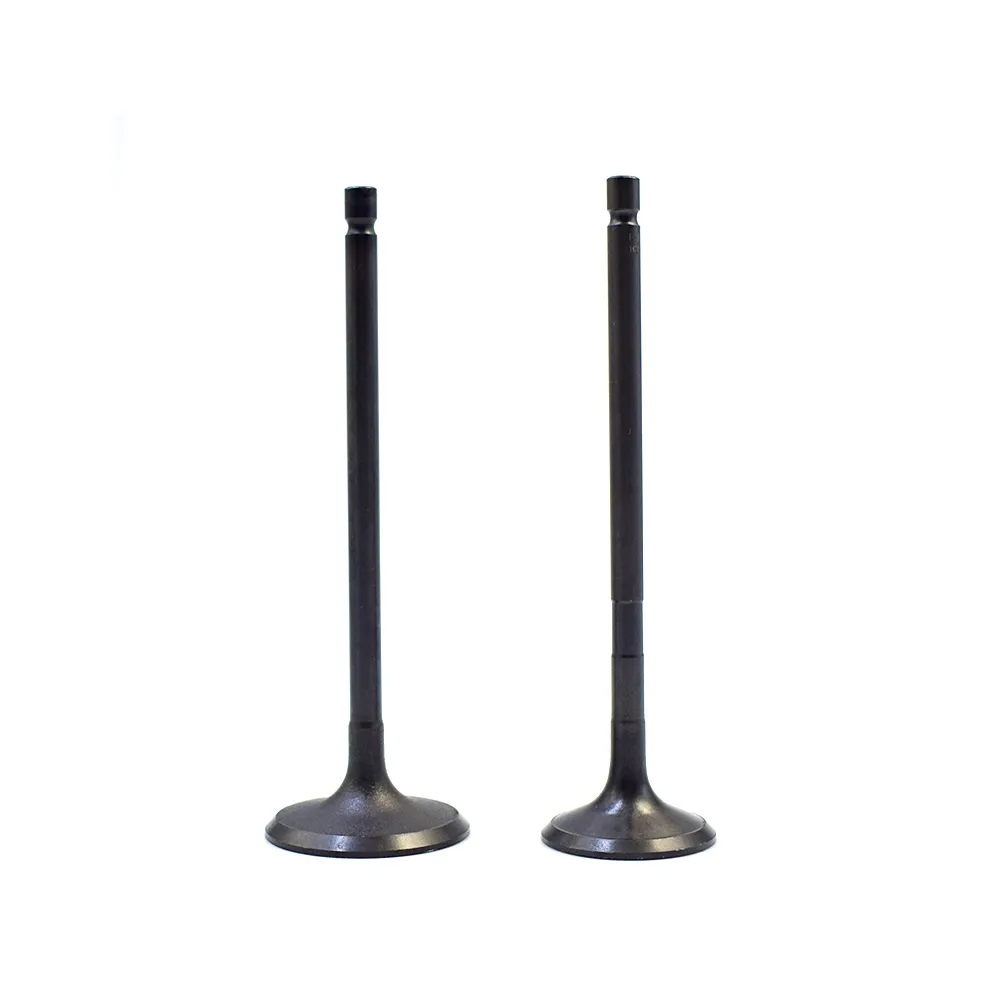
Our rule is simple: on any older, high-mileage, or commercial vehicle, ask for the engine code first.
When the Engine Code Isn't Enough
The engine code stops swap mistakes, but it can't tell you everything. In these three cases, you still want the VIN too.
1. The engine changed partway through production
Carmakers sometimes update valve designs without changing the engine name. VW and Audi's 2.0T is a good example—early and late engines look similar but take different parts. The build date in the VIN helps you narrow it down. If you work on these often, our guide on telling EA888 Gen 1, Gen 2, and Gen 3 apart walks through the differences.
2. The same model was built in different countries
The first character of the VIN shows where the car was made—J for Japan, 1, 4, or 5 for the U.S., W for Germany. The same model can use slightly different engine parts depending on the market it was built for. If an importer brings in cars from several regions, this one character can save a lot of confusion.
3. GM V8 trucks with cylinder deactivation
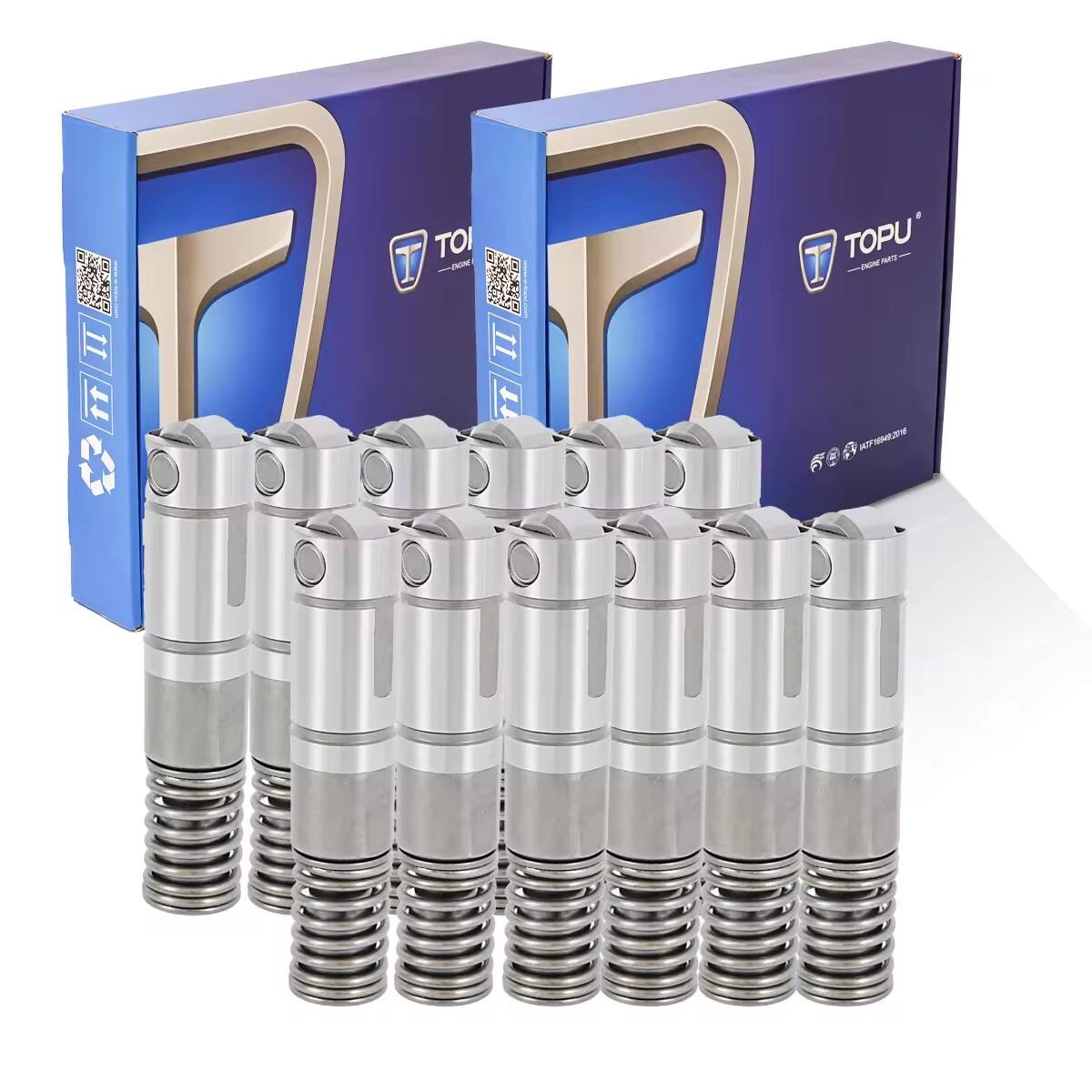
Many 5.3L Chevy Silverado and GMC Sierra trucks use a system called AFM that shuts off some cylinders to save fuel. Those engines need special lifters on the cylinders that switch off. The 8th character of the VIN tells you exactly which engine version the truck has. Check it before you choose between standard hydraulic roller lifters and AFM lifters.
Where to Find Both Numbers
The VIN is easy to find. Look at the lower corner of the windshield on the driver's side, the sticker inside the driver's door, or the registration papers.
The engine code takes a little more looking. It's usually stamped on a small flat spot on the engine block—often near where the engine meets the transmission, or just below the cylinder head. Many newer engines also have a sticker with the code on the timing cover.
A good habit: before you quote an unfamiliar job, ask your shop or wholesale customer for two photos—one of the VIN and one of the engine code. It takes them two minutes and can save you a return.
Quick Reference for Common Engines
Here are a few engines we see a lot, and the one thing worth double-checking on each:
| Vehicles | Engine code | What to double-check | Matching parts |
|---|---|---|---|
| Toyota Corolla, RAV4 | 1ZZ-FE | Where the car was built (1st VIN character) | 1ZZ-FE valves |
| Toyota Hilux, HiAce | 2TR-FE | Make sure it isn't a 1TR-FE | 2TR-FE lifters |
| VW Golf GTI, Passat, Audi A4 | BPY, CCTA, CCZA | Which EA888 generation | 2.0 TFSI valves |
| Chevy Silverado, GMC Sierra 5.3L | LM7, LY5, LC9 | AFM or not (8th VIN character) | Standard or AFM lifters (linked above) |
| Mercedes C-Class, E-Class, ML | M112, M113 | Engine number starts with 112 or 113 | M112/M113 lifters |
| Mitsubishi Pajero, L200 | 4G63, 4G64 | Single or twin camshaft head | 4G63/4G64 lifters |
For more on Toyota and VW engines, see our Toyota valves and lifters guide and our EA888 valve guide.
No VIN and No Part Number?
It happens—especially with loose cylinder heads, industrial engines, or older imports. If all you have is the old part in your hand, you can still find a match. Note the engine code if there is one, then take a few simple measurements of the old valve. We explain how in how to identify a valve without an OE number.
Checking a Big Mixed Order
When you're putting together a bulk order with dozens of part numbers, a quick check before it ships saves a lot of trouble:
- Match what you can. If you already have OE numbers, paste the whole list into our bulk part number lookup tool to see what matches right away.
- Flag the tricky ones. For models with mid-year changes, send us the VIN and the engine code together, and our team will confirm the right part.
- Approve samples first. For private-label runs or older engines, check a sample before the full batch is made.
Not sure how an OE number differs from an OEM or aftermarket number? This quick explainer on OE numbers clears it up.
Frequently Asked Questions
Can I find the right valve or lifter with just the VIN?
Yes, if the car still has its original engine. The VIN will pull up the factory part numbers. On older or hard-working vehicles, though, check the engine code too in case the engine was swapped.
When should I use the engine code instead of the VIN?
Whenever the vehicle is old, high-mileage, or used commercially—or when you only have the engine or cylinder head without the car. The engine code describes the engine that's actually in front of you.
Which part of the VIN shows the engine?
On most North American cars and trucks, it's the 8th character. On many European and Asian cars, the engine information is spread across characters 4 to 8, so it's best to check the engine code as well.
Need a Second Pair of Eyes?
TOPU makes engine valves and valve lifters for wholesale parts distributors, private-label brands, and engine rebuilders around the world. If you're not sure which part fits, send us the VIN, the engine code, or a photo of the old part. We'll check it and get back to you with a match and wholesale pricing.
- Quote form: Request a wholesale quote
- Email: [email protected]
- Tel / WhatsApp: +86 138 6266 4011