If you hold a modern engine valve in your hand, it looks like a simple, polished steel mushroom. It is stunningly lightweight, perfectly shiny, and feels like a basic piece of hardware. This simplicity is entirely deceptive.
When discussing the reliability of a high-performance engine, no tiny component endures more abuse than the valve. It is blasted by 800°C (1,472°F) fireballs while simultaneously smashing against the cylinder head thousands of times a minute.
So, how does a raw, ugly rod of steel transform into a thermal super-component capable of surviving for hundreds of thousands of miles? For wholesale buyers searching for a true engine valve factory, understanding this engine valve manufacturing process is the ultimate weapon against low-quality suppliers. Here is a behind-the-scenes look at exactly how engine valves are manufactured.
Industrial fabrication guides found on ThomasNet explain that the electrical upsetting process is critical for raw steel manipulation because it structurally aligns the metallic grain flow, massively increasing the component's shear strength.
Starting the Engine Valve Manufacturing Process
Everything begins in the metallurgical storage bay of the OEM supplier. Massive coils of certified, high-grade steel rods (ranging from standard chromium alloys for intake valves to aerospace Inconel for exhaust valves) are aggressively sheared down into small, precise lengths called "blanks."
Next comes a fascinating process called Electrical Upsetting. A high-voltage electrical current is blasted directly through the tip of the steel blank, causing the metal to radically heat up and glow bright orange. While it is glowing hot, a massive hydraulic ram pushes against the end of the rod.
Instead of bending, the hot steel squashes and gathers into an "onion-shaped" bulb at the top. This critical violent action physically changes the grain flow of the steel moleules, creating a continuous, unbroken line of immense strength from the stem directly into the head.
Precision Forging and Bimetallic Friction Welding
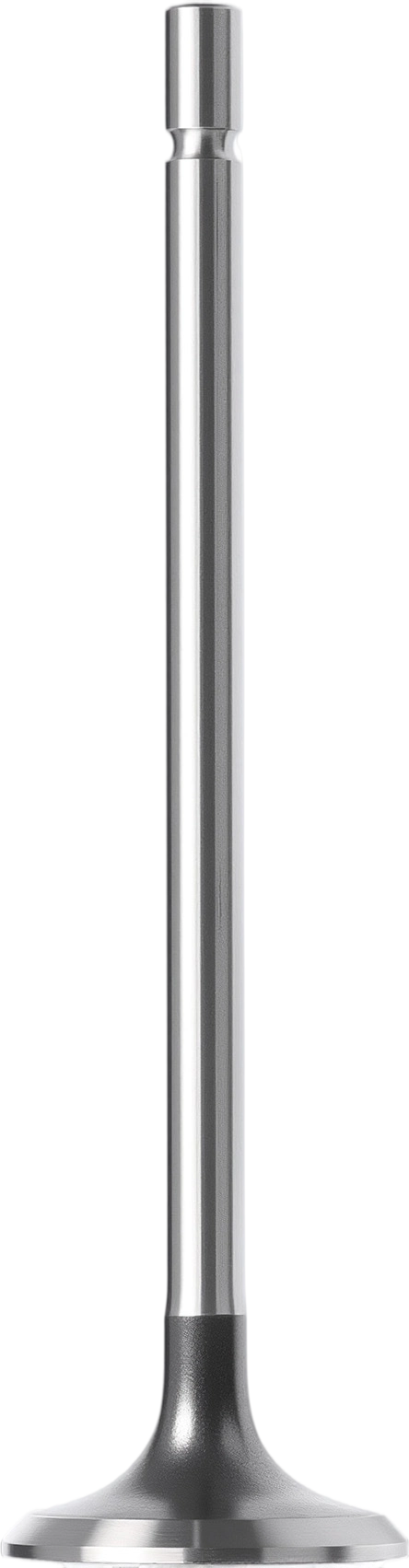
Immediately following the electrical upset process, the glowing steel bulb is transferred into an immense mechanical drop-forging press. With a tremendous, earth-shaking smash, the die strikes the bulb and violently stamps it into the final, recognizable "trumpet" shape of an engine valve head.
However, for heavy-duty OEM exhaust valves, there is a complex hurdle. The metal required to survive 800°C heat is inherently very soft, meaning the top of the valve stem will get rapidly chewed to dust by the rocker arms.
To prevent this, the valve manufacturer utilizes Friction Welding. A tough, hardened steel stem is physically spun against the heat-resistant steel head. The friction generates so much heat that the two distinct metals melt and permanently fuse together into a flawless "Bimetallic Valve."
Heat Treatment and CNC Machining
Even though the valve has its basic shape, it is currently covered in black scale and lacks the exact molecular hardness required to perform.
The valves enter massive continuous-feed heat treatment furnaces to normalize the steel, relieve forging stress, and lock in the exact Rockwell hardness rating. A poorly treated valve will simply snap in half when a heavy valve spring pulls on it.
Once hardened, the valve moves to the CNC department. The valve stem must slide through a microscopic valve guide without leaking oil. To achieve this, the valves are fed through automated "centerless grinding" machines. These laser-guided machines grind the stem until it is perfectly round, holding a mind-bending tolerance of 0.005mm (a fraction of a human hair).
Stellite Welding and Advanced Surface Coating
For ultimate performance, the physical shape alone isn’t enough. The tiny outer edge of the valve (the "seat face") violently impacts the heavy cylinder head continually.
To armour this contact point, advanced factories utilize plasma transferred arc welding to lay a thick ring of Stellite (a brutal cobalt-chromium alloy) directly onto the seating edge of the valve. The valve face becomes so hard that it can crush carbon without taking a scratch.
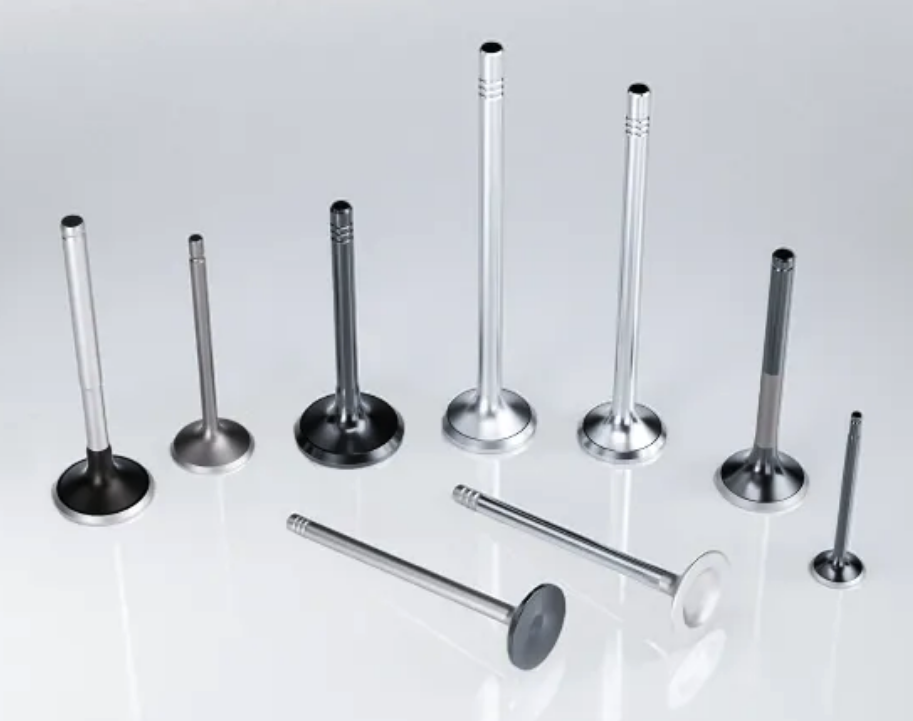
Finally, the entire valve is often sent for advanced surface treatment. This ranges from bright chrome plating on the stem (to massively lower friction against the seals) to salt-bath Nitriding, which chemically transforms the outer micron of the steel into a black, incredibly wear-resistant armor layer.
100% Inspection (The IATF 16949 Standard)
How do you guarantee that out of 100,000 valves, not a single one will fail? You don't rely purely on human eyes; you rely on robotic automation.
In an IATF 16949-certified factory, the final step involves rigorous metrology. Every single batch is tested using 3D Coordinate Measuring Machines (CMM) to verify the exact geometry of the stem locks. Automated laser profiling checks the concentricity. A valve can be beautiful, but if the head is mathematically slightly crooked from the stem, it will immediately destroy the engine. Only after passing these ruthless tests are the parts coated in rust-inhibiting oil and packaged for global export.
Partner With a Vertically Integrated B2B Valve Supplier

When you understand the staggering intensity of manufacturing a perfect valve, you realize you cannot afford to source from an uncertified middleman.
TOPU is a globally renowned, IATF 16949-certified B2B engine valve manufacturer and valve tappet supplier. Running a massive, vertically integrated factory, we control every single step in-house: from raw steel electrical upsetting and bimetallic friction welding to advanced plasma Stellite facing and micron-level CNC grinding.
We deliver flawless, bulk OEM components to top-tier rebuilders and international distributors around the world. Because we own the entire factory process, we guarantee zero-defect consistency and unbeatable wholesale pricing. Contact TOPU today to schedule a virtual factory tour and secure an unshakeable supply chain.