Scaling a massive OEM production line is terrifying enough without constantly worrying about the tiny metal components deep inside your engine block. If a piston ring fails, you lose compression. But if an engine valve snaps from heat fatigue at 5,000 RPM, it drops into the cylinder and physically blows the engine completely to pieces.
Choosing the right engine valve manufacturer for OEM projects is not just about negotiating the lowest possible price per unit. It is about actively purchasing peace of mind, supply chain continuity, and rock-solid brand reputation.
A single dropped valve can ruin thousands of units, resulting in millions of dollars in recalls. So, how do you strip away the sales pitch and determine if an OEM engine parts supplier actually has the engineering muscle to support a true tier-1 production program? Let's dive into the critical evaluation checklist.
1. Zero-Compromise Material Control
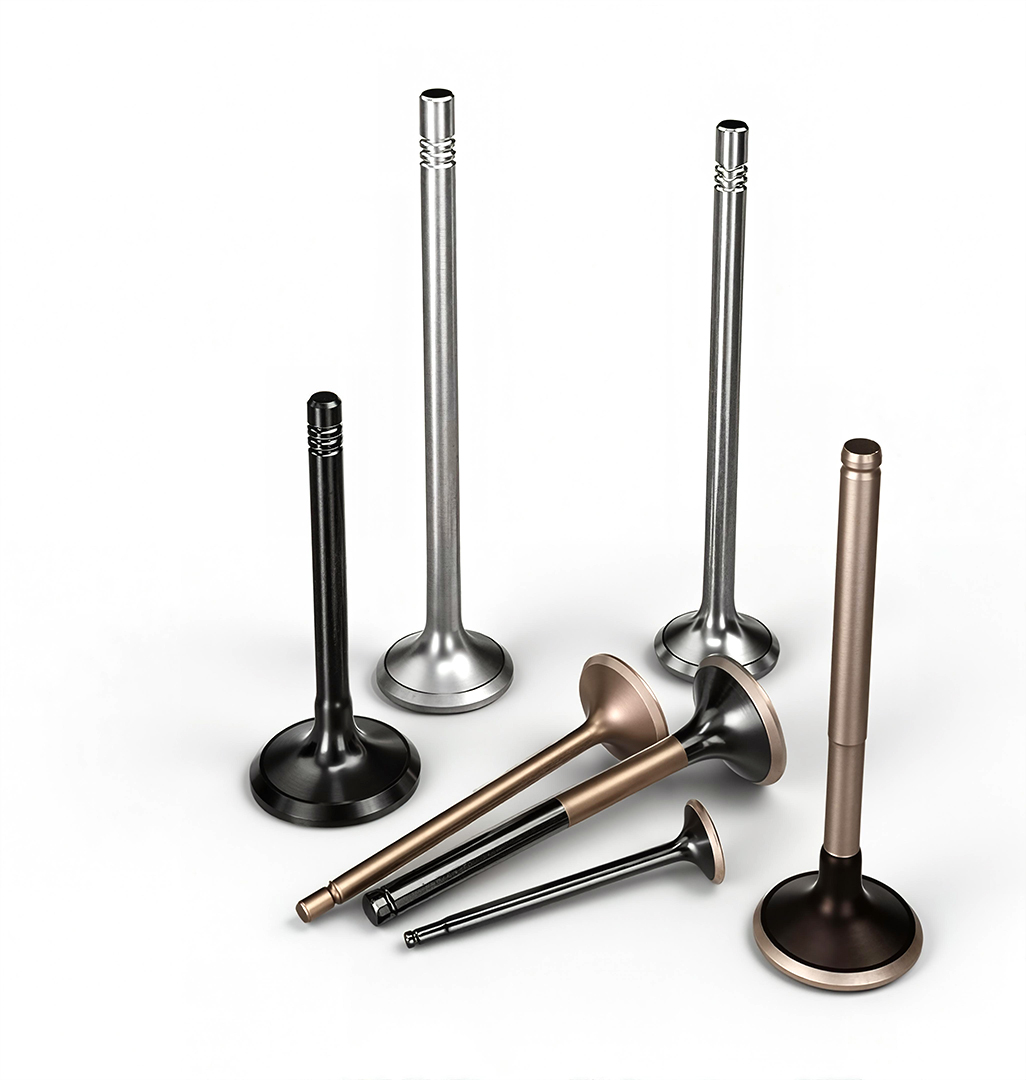
The fastest way a cheap manufacturer cuts costs is by playing dangerous games with raw metal alloys. Exhaust valves operate in an incredibly harsh environment, constantly blasted with 800°C combustion gases.
If your manufacturer secretly substitutes premium heat-resistant 21-4N austenitic steel for a cheaper, standard stainless alloy, your engine won't blow up on the dyno. It will pass initial testing beautifully. But 20,000 miles down the road, those valves will start stretching, burning, and ultimately failing when they are in the hands of the end consumer.
When evaluating a manufacturer, demand strict traceability. A reliable supplier should provide verified metallurgical reports and chemical composition certificates for every single batch of steel they forge. If they cannot track the origin of the steel rod back to the foundry, walk away.
2. In-House Forging and Heat Treatment
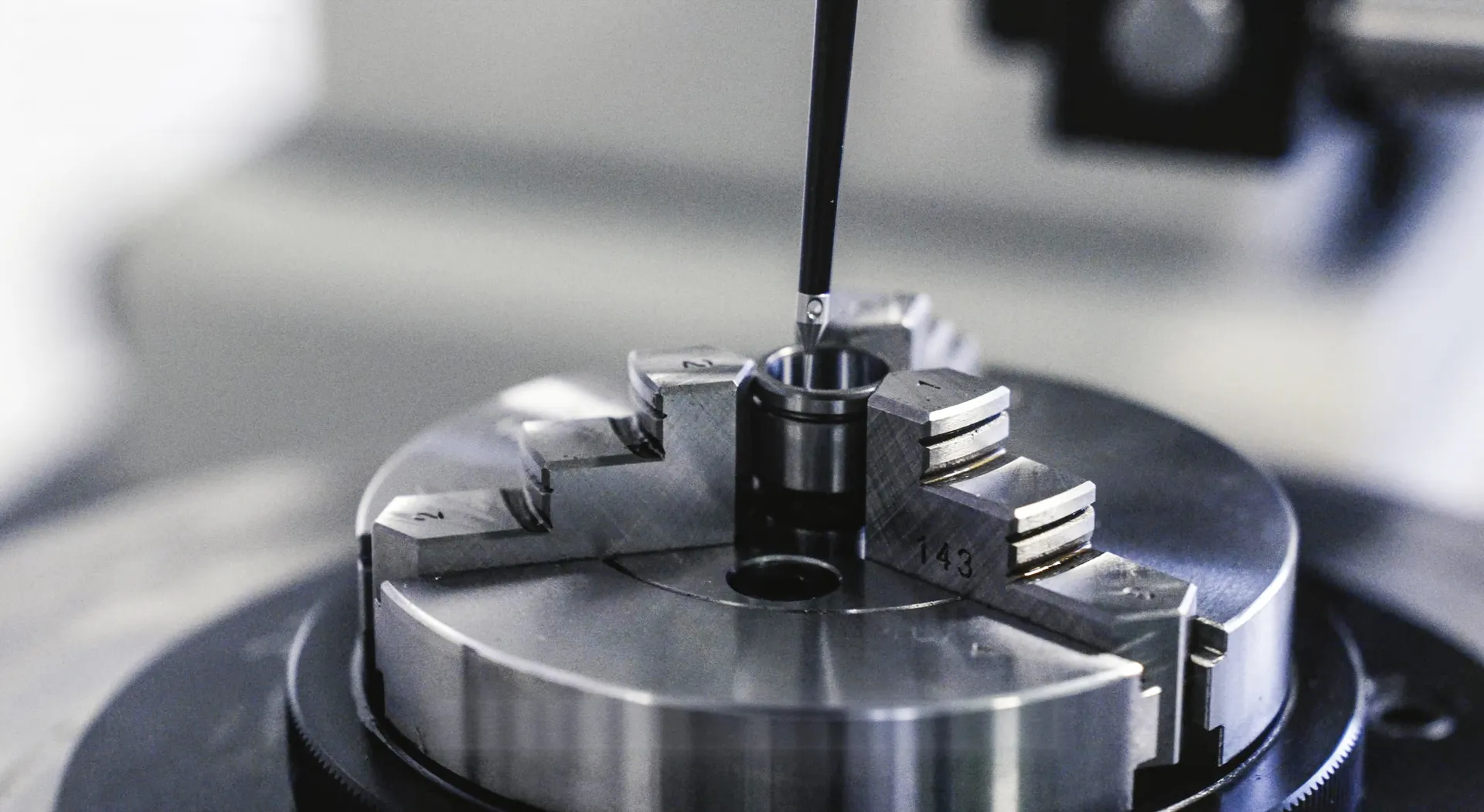
You will be stunned by how many online "manufacturers" are actually just assembly workshops that outsource their heavy metal forging to third-party shops. Outsourcing the forging process means outsourcing your quality control to someone you’ve never met.
A true OEM supplier must have complete, in-house metallurgical capability. This includes electrical upsetting and friction welding capabilities—especially for high-performance bimetallic valves where the head and stem are made of different alloys.
Equally important is the heat treatment process. Proper heat treatment guarantees the valve hits the exact Rockwell hardness rating needed to survive without becoming dangerously brittle. A world-class engine valve manufacturer will have automated, continuous-feed heat treatment furnaces to precisely control temperature ramps, ensuring consistency across a 100,000-unit order.
3. The Power of IATF 16949 Certification
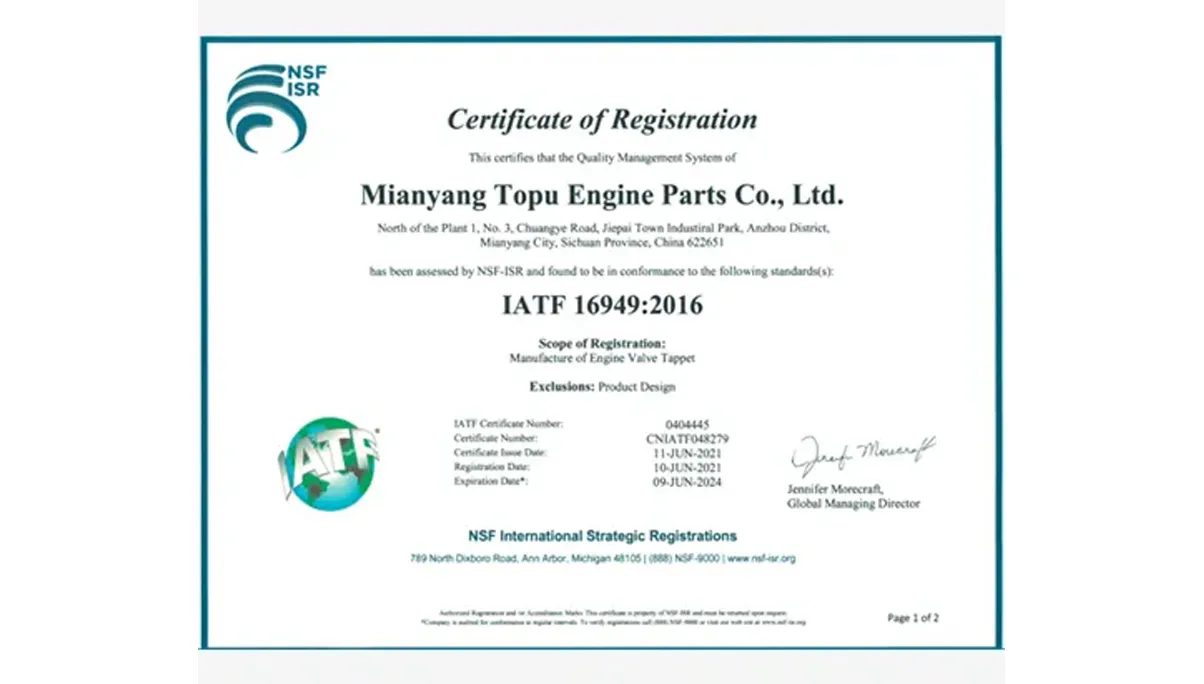
If there is one non-negotiable metric when sourcing automotive components globally, it is the IATF 16949 certification. Unlike a generic ISO 9001 certificate (which a bakery could obtain), IATF 16949 is specifically designed for the absolute rigors of the automotive supply chain.
This certification proves a factory does not just rely on quality inspectors pulling bad parts off the end of a line; instead, they have engineered their entire production process to prevent defects from occurring in the first place.
Partnering with an IATF 16949 engine parts manufacturer ensures they utilize mandatory automotive tools like FMEA (Failure Mode and Effects Analysis) and SPC (Statistical Process Control). It mathematically proves they can meet the mind-bending consistency required for mass OEM production, drastically lowering your risk of field failures.
4. State-of-the-Art Surface Finishing
Once the valve is forged and hardened, the magic happens in the micron-level grinding and finishing. If the valve stem isn't perfectly round, it will aggressively chew through the valve seals and valve guides, causing the engine to burn massive amounts of oil and blow blue smoke.
When auditing a supplier, look closely at their CNC grinding capabilities. Do they utilize automated, centerless grinding machines? Can they consistently hit stem diameter tolerances within 0.005mm?
Furthermore, examine their surface treatment portfolio. For high-wear OEM applications, modern engine valves require specialized treatments. A premier manufacturer will offer in-house Chrome plating, Nitriding (tuple processing), or Stellite welding for the valve seat faces to guarantee the valve survives the entire lifespan of the modern engine.
5. Reverse Engineering and Rapid Prototyping
An OEM project rarely uses off-the-shelf catalog parts. You are typically bringing a specific engineering drawing to the manufacturer, filled with unique geometry and proprietary clearance requirements to squeeze every ounce of efficiency out of your engine.
A top-tier supplier operates more like a high-tech engineering partner than a simple metal stamper. They will maintain a robust R&D department equipped with advanced metrology labs, 3D coordinate measuring machines (CMM), and CAD/CAM software.
The best engine valve manufacturers can take your drawings, provide actionable feedback on manufacturability, and turn around rapid, high-precision physical prototypes in weeks, keeping your engine development timeline on track.
Why TOPU is Your Ultimate OEM Partner
Choosing the right supply partner doesn't have to be a guessing game. Sourcing from a factory that fundamentally understands the stakes of mass production makes the entire process incredibly smooth.
TOPU is an IATF 16949 certified, world-class engine valve manufacturer and valve lifter supplier. With complete in-house capabilities ranging from friction welding to advanced nitriding, we supply millions of precision valvetrain components to global OEM projects and tier-1 distributors.
Our commitment to zero-defect manufacturing and full material traceability means you can scale production with absolute confidence. Contact TOPU today to discuss custom prints, request rapid prototypes, and secure a reliable OEM supply chain for your next engine program.