You're planning to increase your engine's displacement from 2.0L to 2.3L. You've done the math on bore and stroke, but there's something most builders overlook: your valves need to keep up with the extra displacement. A bigger cylinder needs more air, and if your intake valves can't flow enough, you're leaving power on the table.
This guide explains how to calculate engine displacement, the difference between increasing bore versus stroke, and why valve train components matter when you change displacement.
How to Calculate Engine Displacement
Engine displacement is the total volume swept by all pistons in one complete cycle. The formula is straightforward:
Single Cylinder Displacement = π × Bore² × Stroke / 4
Total Displacement = Single Cylinder × Number of Cylinders
Where:
Bore (D) = cylinder diameter in mm or inches
Stroke (S) = piston travel distance in mm or inches
π = 3.14159
Example Calculation
Let's calculate a Honda K20A engine:
Bore: 86.0 mm
Stroke: 86.0 mm
Cylinders: 4
Single cylinder = 3.14159 × (86.0)² × 86.0 / 4 = 499.5 cc
Total displacement = 499.5 cc × 4 = 1,998 cc = 2.0L
Bore vs Stroke: Two Ways to Increase Displacement
When you want more displacement, you have two options: increase the bore (cylinder diameter) or increase the stroke (piston travel). Each approach affects engine characteristics differently.
Increasing Bore (Oversquare Engine)
Boring out cylinders gives you a wider combustion chamber. Using our K20A example, increasing bore from 86mm to 90mm while keeping the 86mm stroke gives you a new displacement of 2,190 cc (2.2L). A wider bore allows larger valves for better airflow at high RPM, and the shorter flame travel distance results in more complete combustion.
However, larger pistons add reciprocating weight that limits maximum RPM. Boring also leaves thinner cylinder walls, which may compromise structural strength. The wider combustion chamber increases detonation risk, and most importantly, the increased bore requires larger valves to match the airflow demand—using stock-sized valves wastes the displacement increase.
Increasing Stroke (Undersquare Engine)
Lengthening the stroke means the piston travels farther in each cycle. Increasing stroke from 86mm to 94mm while keeping the 86mm bore produces 2,185 cc (2.2L)—nearly the same displacement as boring, but with different characteristics. A longer stroke creates better low-end torque and more efficient combustion, while allowing you to use the stock bore size.
The downsides relate to mechanical stress and packaging. Higher piston speeds limit maximum safe RPM, and you'll need either a taller engine block or a modified crankshaft. Even with a longer stroke, proper valve timing and quality valve train components remain essential for realizing the displacement increase.
Bore/Stroke Ratio
The bore/stroke ratio tells you what type of engine you have:
Ratio = Bore / Stroke
Over 1.0 (Oversquare): High-RPM performance engines
Equal to 1.0 (Square): Balanced design
Under 1.0 (Undersquare): Torque-focused engines
Why Valve Size Matters When Increasing Displacement
Here's what many builders miss: when you increase displacement by 15%, each cylinder needs to inhale 15% more air per cycle. If your valves stay the same size, they become a bottleneck.
The Airflow Problem
At 6,000 RPM, a 4-stroke engine completes 3,000 intake cycles per minute—that's 50 intake events per second, per cylinder. When you increase displacement without upgrading valves, air velocity through the valve opening increases significantly, creating turbulence around the valve head that reduces effective flow area.
The increased friction from faster-moving air raises intake air temperature, reducing charge density. At high RPM, volumetric efficiency drops as the valves can't flow enough air to fill the larger cylinders. The result: power loss despite the larger displacement you paid to machine into the engine.
Valve Sizing Guidelines
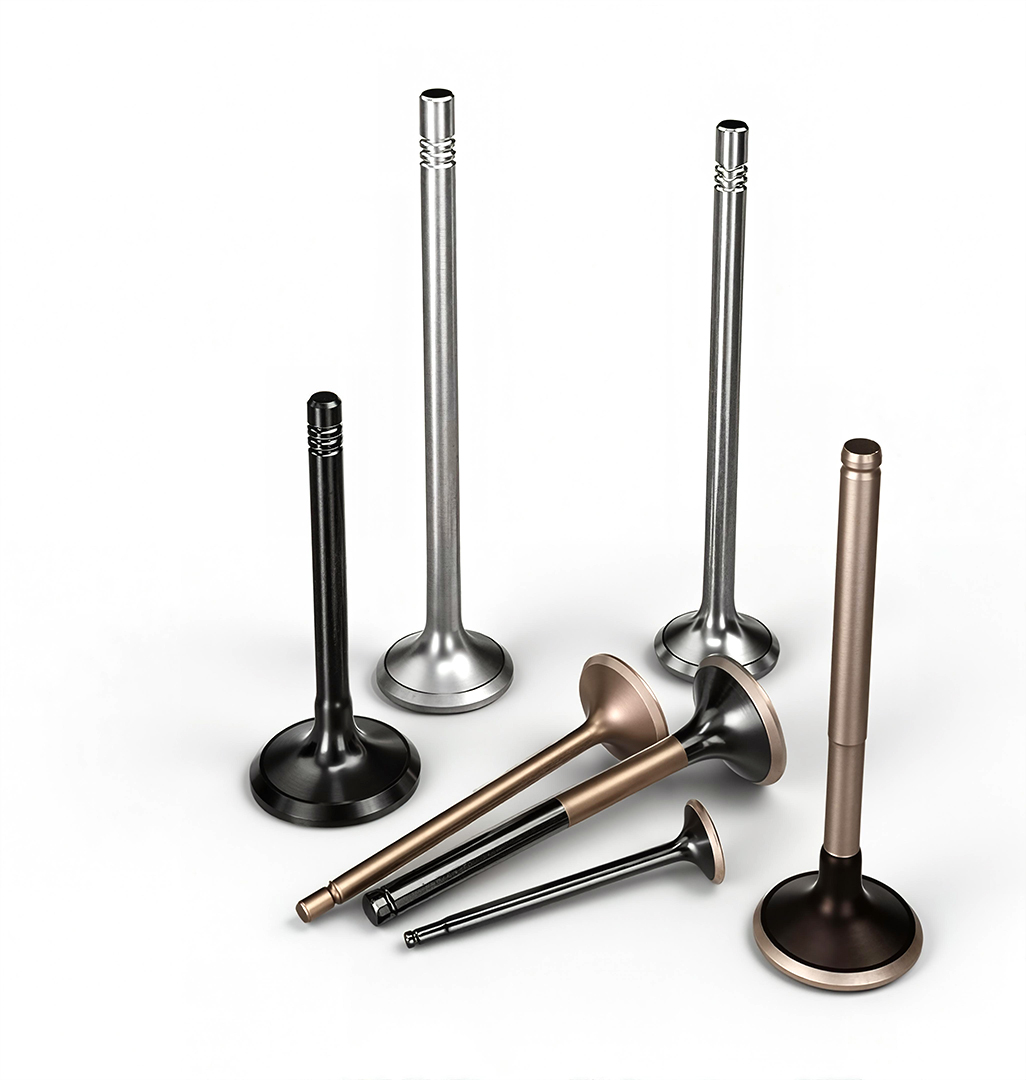
A general rule: intake valve diameter should be approximately 38-42% of bore diameter, and exhaust valve diameter should be 32-36% of bore diameter.
For an 86mm bore:
Intake valve: 33-36mm
Exhaust valve: 28-31mm
For a 90mm bore (after boring):
Intake valve: 34-38mm
Exhaust valve: 29-32mm
Heat Management in Larger Displacement Engines
Bigger displacement means more fuel burned per cycle, which means more heat. Exhaust valves take the worst of it, with temperatures reaching 800-900°C in normal operation. When you increase displacement, exhaust temperatures can climb another 50-80°C.
Standard stainless steel valves start to lose strength above 850°C. The valve head can warp, the stem can stretch, and the sealing surface deteriorates. This is where material quality becomes critical.
TOPU Valve Solutions for Displacement Upgrades
When you're investing in machine work to increase displacement, using quality valve train components isn't optional—it's essential to realize the performance gains you're paying for.
High-Performance Engine Valves
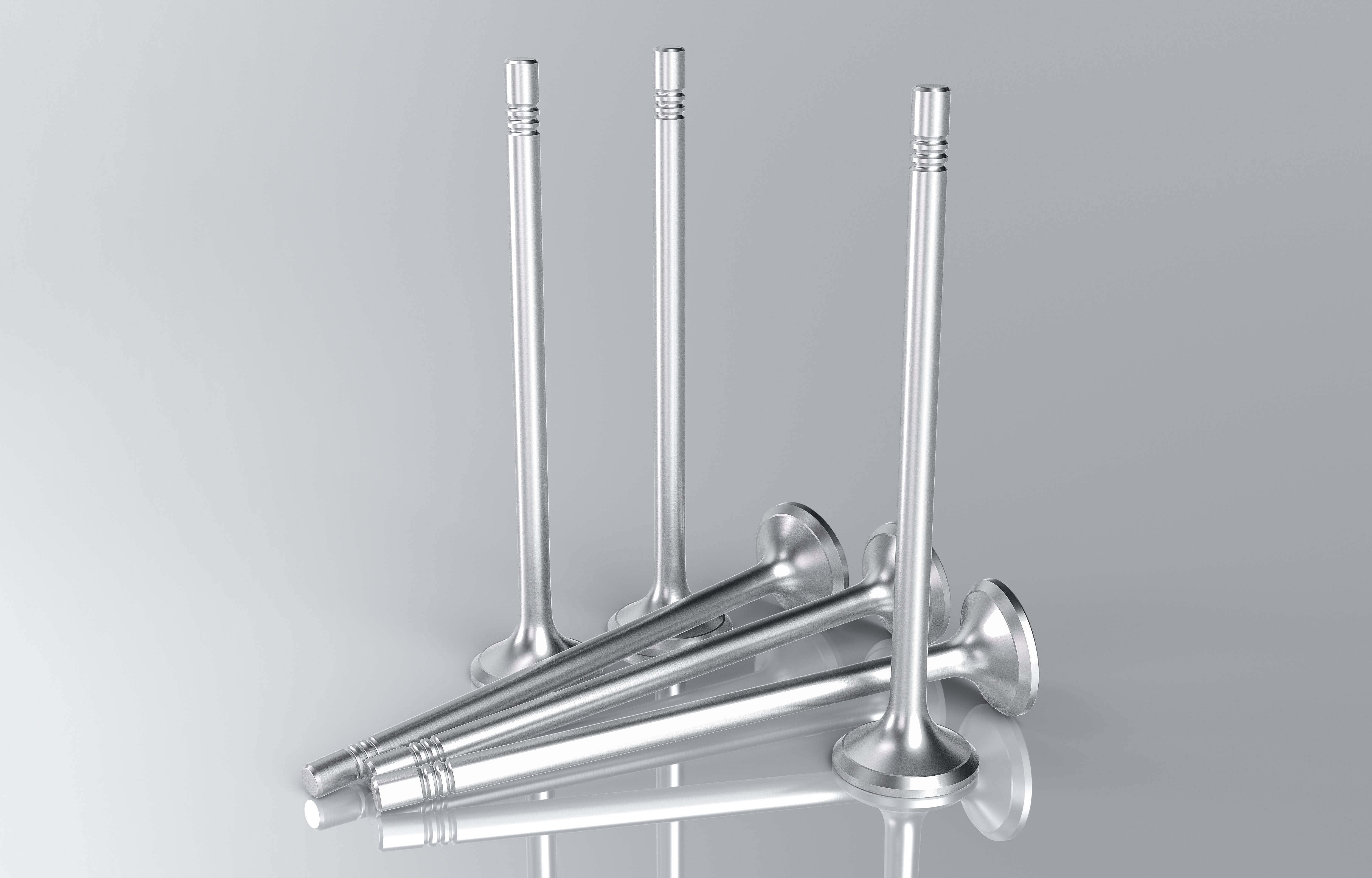
TOPU manufactures valves specifically designed for increased displacement and higher performance demands. The intake valves use 21-4N or 21-2N high-strength stainless steel with a temperature rating up to 850°C. These valves feature an optimized head profile for improved flow and are available in oversized diameters to match bored engines.
For exhaust valves, TOPU uses Inconel 751 or Nimonic 80A nickel alloy, which can handle temperatures up to 1,000°C. These materials offer superior thermal conductivity and resist warping even under sustained high heat. The material upgrade alone provides 30-50°C lower operating temperatures compared to standard valves, which translates to longer service life and maintained performance throughout the engine's operating range.
Precision Valve Tappets
Increasing displacement often requires stiffer valve springs to control the valves at higher RPM. This puts more stress on tappets (lifters). Worn or inadequate tappets cause valve timing errors that waste your displacement increase.
TOPU tappets are built from 20CrMo alloy steel with a carburized and nitrided surface reaching HRC 58-62 hardness. The contact surfaces are precision ground to Ra 0.1μm for consistent performance. A DLC coating option further reduces friction for high-performance applications. Popular applications include the TP31 series for Toyota and Lexus engines like the 2GR-FE 3.5L V6, the TP24 series for Mercedes-Benz M112 and M113 V6/V8 engines, and the TP18 series for Volkswagen and Audi EA888 2.0T engines.
When to Upgrade Valve Train Components
You should consider valve train upgrades when increasing displacement by 10% or more, as airflow demands increase proportionally. Raising the RPM limit requires better valve control to prevent float, and adding forced induction increases both cylinder pressure and heat.
If you're building for competition, reliability under stress requires quality parts that won't fail at the limit. Experiencing valve float—where valves don't follow the cam profile properly at high RPM—is a clear sign that current components can't keep up with your engine's demands.
Choosing the Right Components
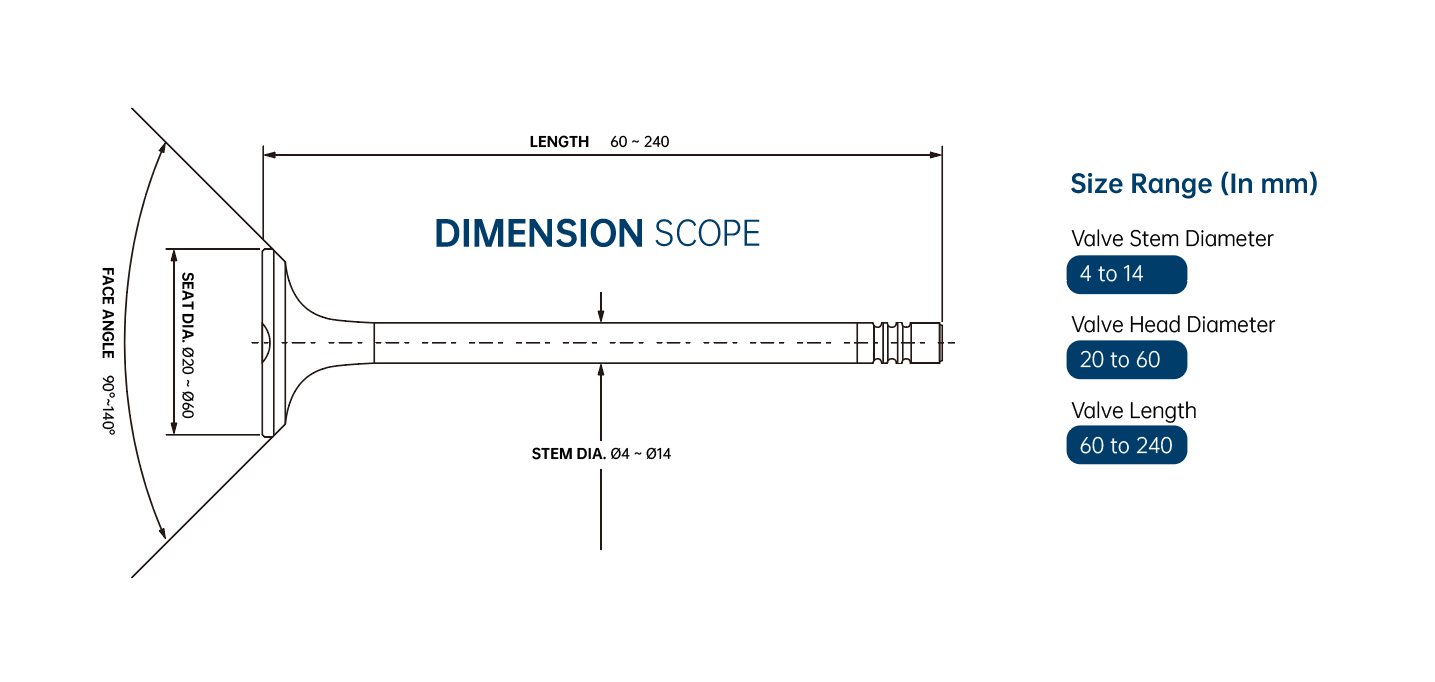
TOPU provides technical support to help you select appropriate components for your build. To get accurate recommendations, you'll need to provide information about your engine model and code, current and target displacement, intended maximum RPM, whether the engine is naturally aspirated or forced induction, and your application—whether it's street driving, track use, or competition.
With this information, TOPU engineers can recommend the correct valve sizes and materials for your specific needs, appropriate tappet specifications that match your spring pressures and cam profile, valve spring requirements to control the valves throughout the RPM range, and any additional components needed to complete the valve train system properly.
Conclusion
Calculating engine displacement is straightforward, but building a reliable high-performance engine requires understanding how all components work together. When you increase displacement, your valve train needs to keep up with the increased airflow demands and thermal loads.
Using quality components from the start—properly sized valves in appropriate materials, precision tappets, and matched valve train parts—ensures your displacement increase translates to actual performance gains rather than just bigger numbers on paper.
Use the calculator to determine your engine's displacement, then contact TOPU for component recommendations specific to your build.