You turn the key, start your engine, and immediately feel the entire vehicle shuddering violently. The Check Engine light flashes angrily on the dashboard. When you scan the car, you get the dreaded P0300 code: "Random/Multiple Cylinder Misfire."
Most weekend mechanics instantly assume it is an electrical issue. They will spend hundreds of dollars throwing brand new spark plugs, ignition coils, and fuel injectors at the problem. Yet, the violent shuddering persists. Why? Because the issue isn't electrical; it is hardcore, physical mechanical failure deep inside the cylinder head.
The ultimate question remains: Can a bad engine valve cause misfire? The answer is absolutely yes. A failed or burned engine valve is one of the leading, often-overlooked causes of severe engine misfires. Let’s dive into the mechanical reality of why this happens and how to spot it.
The Physics of a Valve-Induced Misfire (Loss of Compression)
To understand why a misfire happens, you have to understand exactly what makes a cylinder "fire" correctly in the first place. For combustion to occur cleanly, the engine needs air, fuel, spark, and intense compression.
When the piston races upward, it physically squeezes the air and fuel into an incredibly tight, volatile pocket. For this squeezing action to work, the combustion chamber must be 100% sealed, just like a heavy-duty bicycle pump.
The valves are the physical doors to the chamber. If you have a damaged or bent exhaust valve, it will not seat perfectly flush against the cylinder head. The door is essentially left permanently cracked open. When the piston tries to squeeze the air and fuel, the pressure instantly escapes out the cracked valve. Without immense compression pressure, the spark plug fires into a weak mixture, failing to detonate properly. This completely dead cylinder causes the engine to aggressively shudder—a total misfire.
The Famous "Burnt Valve" Scenario
How exactly does a heavy-duty steel valve break or fail to seal? The most frequent cause is known as a "burnt valve."
As an engine runs, a microscopic layer of carbon builds up naturally on the valve seats. Sometimes, a thicker hard chunk of carbon breaks off and gets smashed between the valve face and the actual seat. This prevents the valve from closing entirely. Because it's held slightly open, violently hot 800°C combustion fire blasts aggressively through that tiny crack like a blowtorch.
Because the valve is no longer resting entirely on the cylinder head, it cannot transfer its heat away to cool down. The edge of the valve physically melts and chips away. Once a piece of the valve edge burns completely off, you suffer permanent compression loss, resulting in a misfire that cannot be cured by chemical additives or tune-ups. It requires taking the entire engine apart.
How to Properly Diagnose Bad Valves
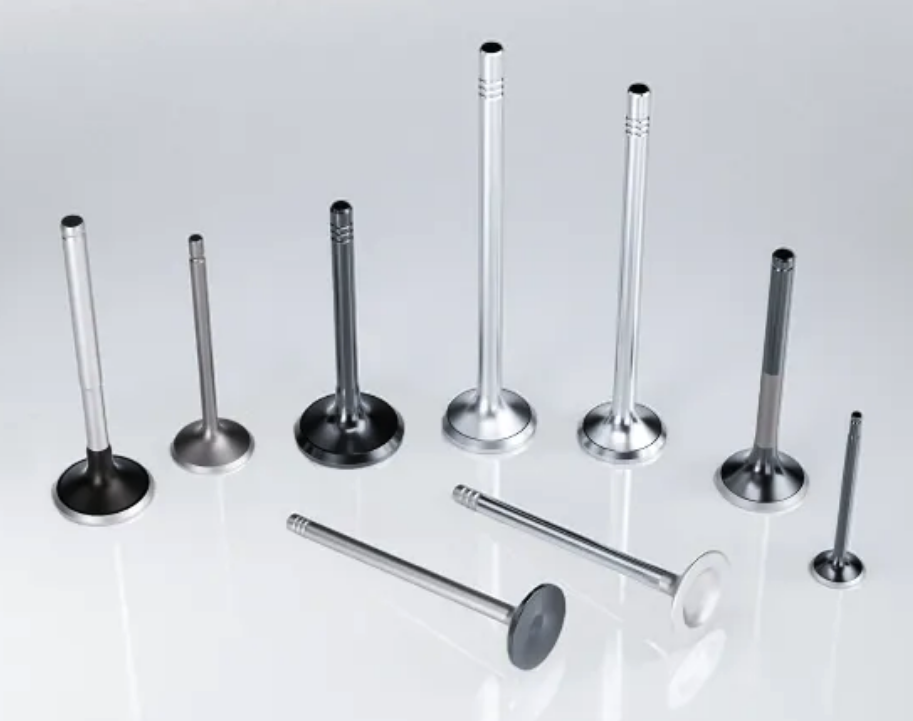
How does a mechanic prove the misfire is caused by a bad valve rather than a bad spark plug? They ditch the computer scanner and break out the heavy mechanical tools: The Compression Tester and the Leak-Down Tester.
First, they screw a pressure gauge into the spark plug hole. If three cylinders pump up to 150 PSI, but the misfiring cylinder only hits 40 PSI, they immediately know the chamber cannot hold pressure. Next, they pump compressed air directly into the dead cylinder.
If they hear the air violently hissing straight out of the car's tailpipe, they instantly know the exhaust valve is completely burned, bent, or stuck open. If they hear the air hissing backward out of the plastic air intake tract, they know the intake valve is destroyed.
Prevent Misfires with OEM-Quality Valves

Rebuilding an engine because of a burnt valve is an incredibly expensive labor bill. If you are an auto shop or wholesale distributor, you cannot afford to supply replacement valves that lack the hardcore thermal resistance required to survive.
TOPU is a premium IATF 16949 directly certified OEM manufacturer specializing in extremely durable engine valvetrain components. Our premium valvetrain catalog utilizes the most advanced Austenitic steel alloys (like SUH35/21-4N), heavily integrated friction welding, and plasma Stellite armor directly on the valve faces to actively prevent the burning and melting that triggers horrific misfires.
Whether you are rebuilding everyday commuter platforms or massive performance diesel networks, you need to rely on parts engineered to survive the most abusive environments. Contact TOPU now to lock in heavy-duty supply chains that confidently prevent devastating engine returns.