Blog
Technical articles and insights
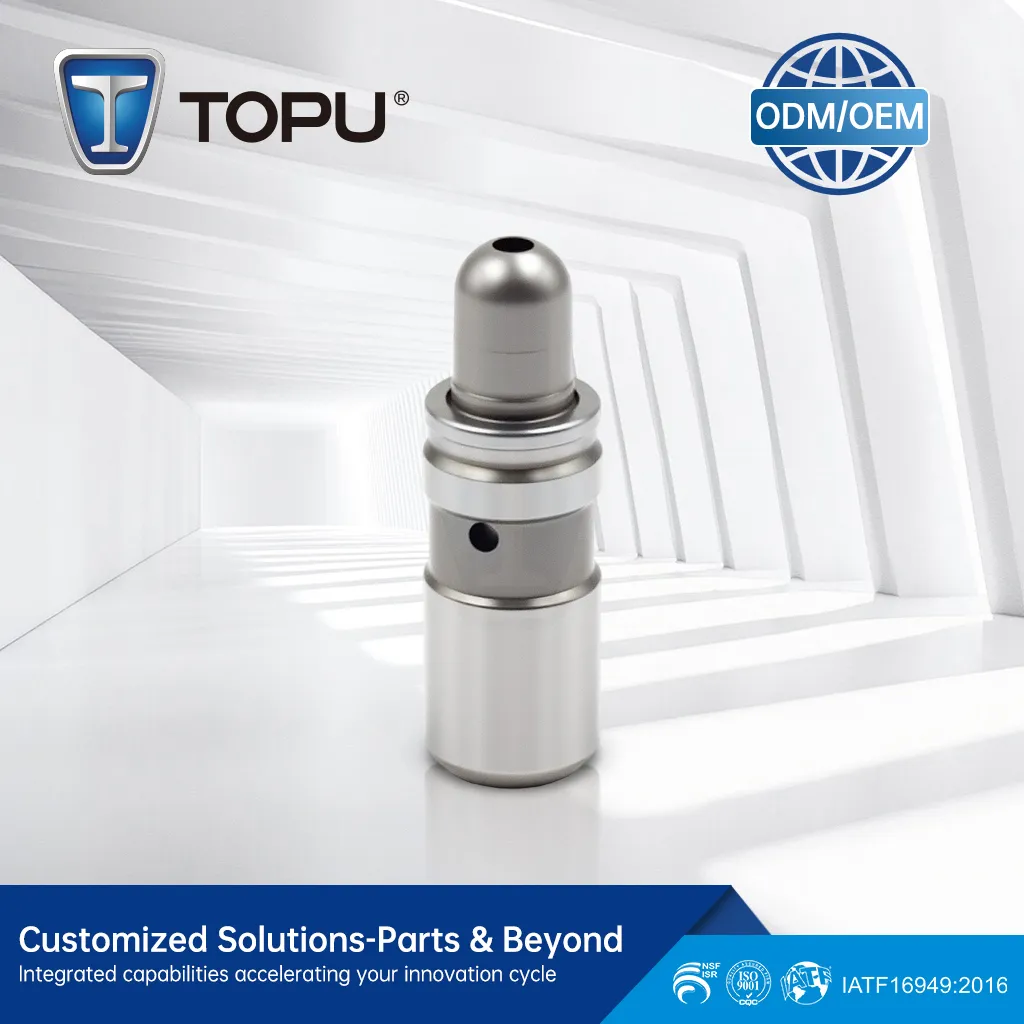
VIN or Engine Code? How to Order the Right Valves and Lifters the First Time
The VIN shows what engine a car left the factory with. The engine code shows what's in it today. Here's when to trust each one before you order valves or lifters.

What Is an OE Number? OE vs. OEM and How to Cross-Reference Valves & Lifters
Plain-English B2B guide for wholesalers, importers, and engine rebuilders: understand OE vs. OEM part numbers and cross-reference engine valves and lifters fast.

How to Identify and Source an Engine Valve Without an OE Number
B2B sourcing & measurement guide for wholesalers, importers, and engine rebuilders: identify unmarked engine valves by 5 bench dimensions, check stem plating and alloy, and match common OE sizes.
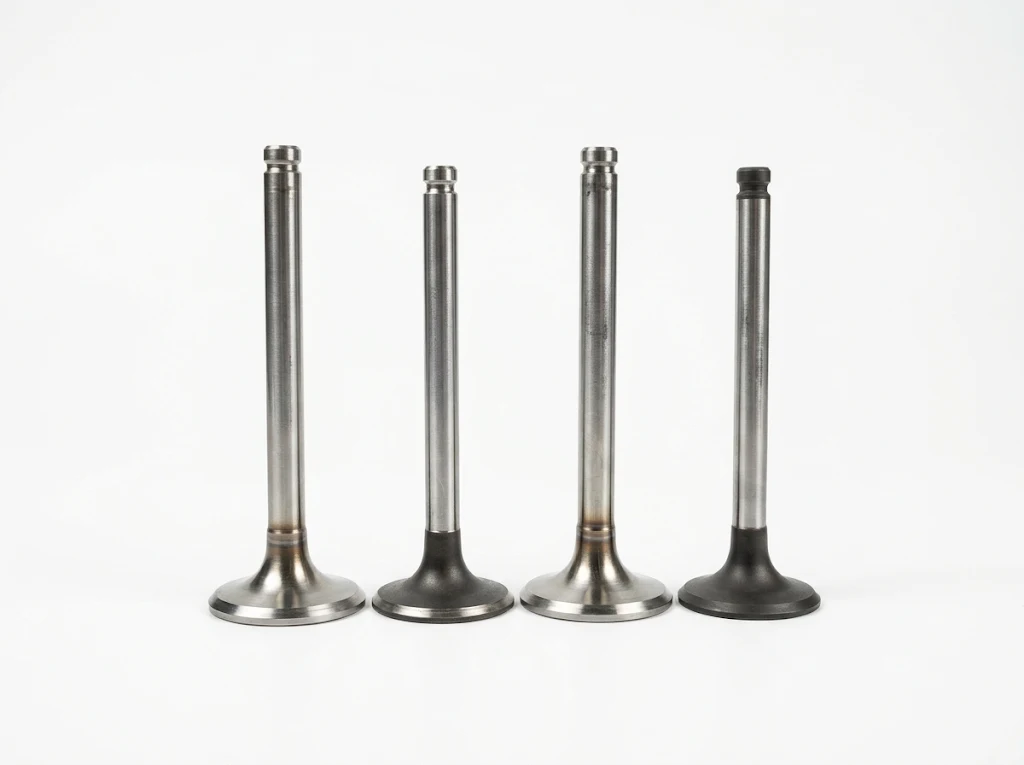
VW & Audi EA888 2.0 TSI Engine Valves Guide
A direct workshop guide to VW & Audi EA888 1.8/2.0 TSI engine valves: Gen 1/2/3 head differences, factory dimensions, AVS valve lift, carbon buildup, and inspection rules. Factory sourcing from TOPU, quote in 24h.
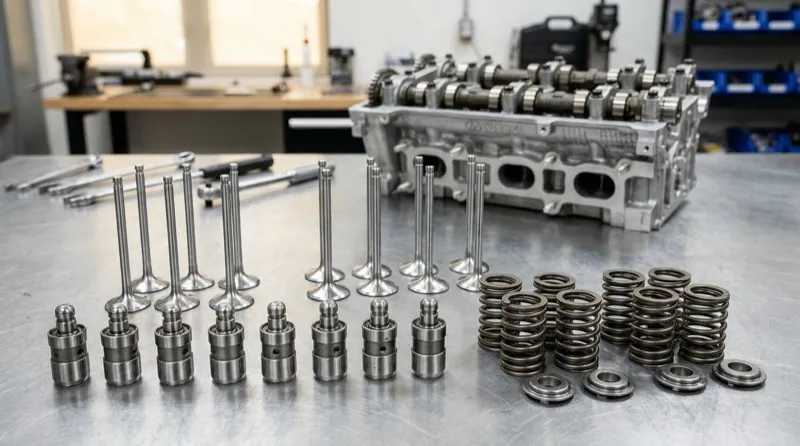
Toyota Engine Valves and Lifters Guide: Workshop Tolerances, Inspection, and Sourcing
A direct workshop guide to Toyota 2TR-FE, 1KD/2KD, and ZR engine valves and lifters. Features OEM tolerances, metallurgy comparisons, teardown inspection rules, and factory sourcing guidance.
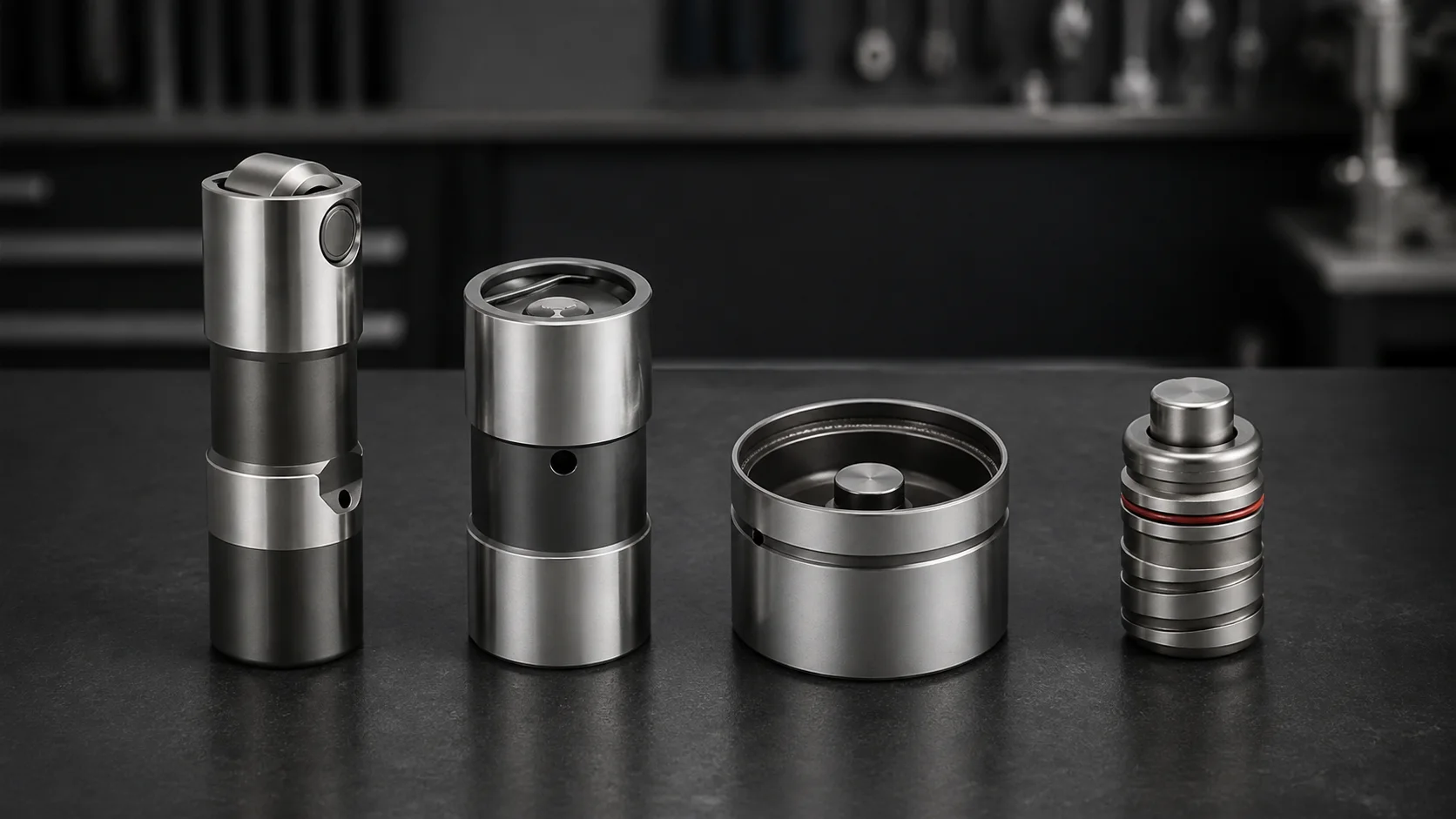
What Does a Valve Lifter Do? Function, Types, and Failure Signs
A valve lifter follows the camshaft and transfers its motion toward the engine valve. See how hydraulic, mechanical, roller, flat, and bucket designs differ and how TOPU matches the correct application.
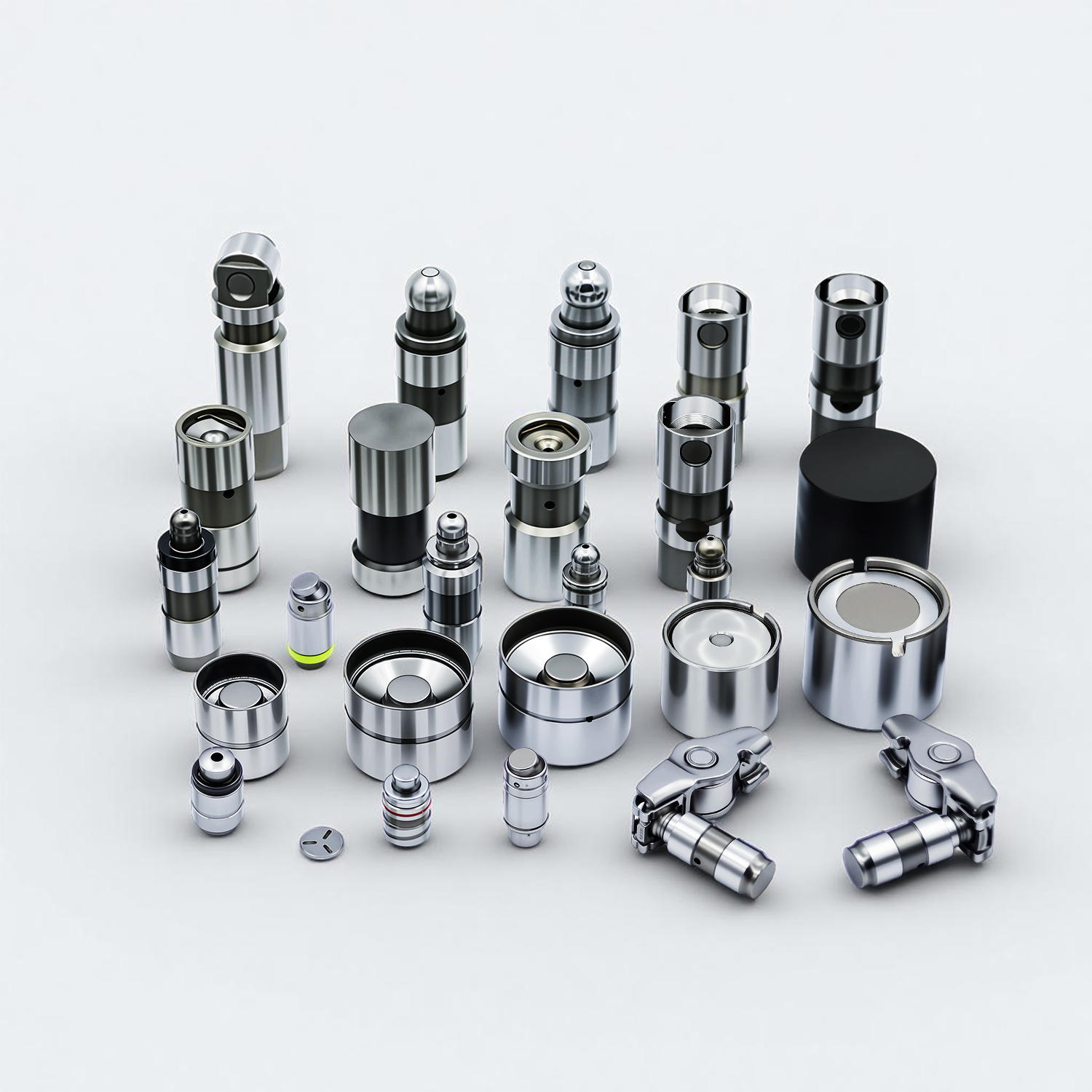
Where Are Valve Tappets Used in Modern Engines?
Valve tappets transfer camshaft motion into controlled valve movement. Compare bucket, hydraulic, roller, and mechanical tappet applications and learn how TOPU supports OE-number matching and wholesale programs.
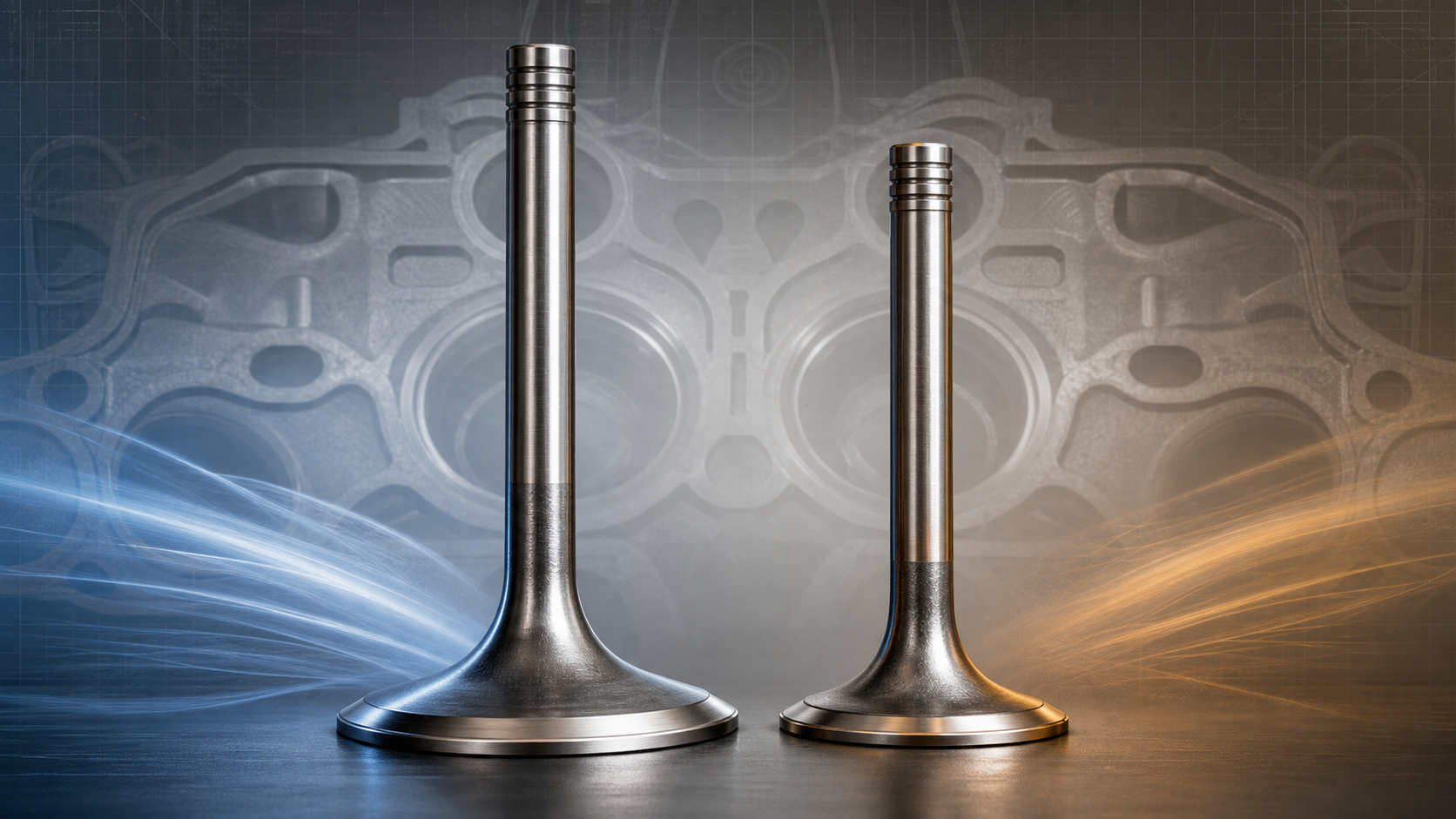
What Is the Difference Between an Intake Valve and an Exhaust Valve?
Intake valves and exhaust valves look similar, but they work under different airflow, heat, and material demands. Intake valves usually prioritize cylinder filling and wear resistance, while exhaust valves need stronger heat resistance.

What Is the Difference Between OEM and Aftermarket Engine Parts?
B2B sourcing guide for private-label importers, wholesalers, engine rebuilders, and fleet buyers: compare OEM, OES, and certified aftermarket engine valves and lifters.
How Do You Clean Carbon Buildup on Intake Valves?
Carbon buildup on intake valves is the silent performance killer in modern GDI engines. This guide covers why it happens, how to clean it (walnut blasting, chemical spray, manual cleaning), and when replacement from a quality valve manufacturer makes more sense than another cleaning cycle.
How Do You Source Valve Tappets Directly from China?
Finding a genuine China valve tappet manufacturer grants you massive pricing leverage, but poor quality control can destroy a valvetrain. Here is exactly how to verify a factory's true capabilities, from CNC grinding tolerances to in-house surface treatments.
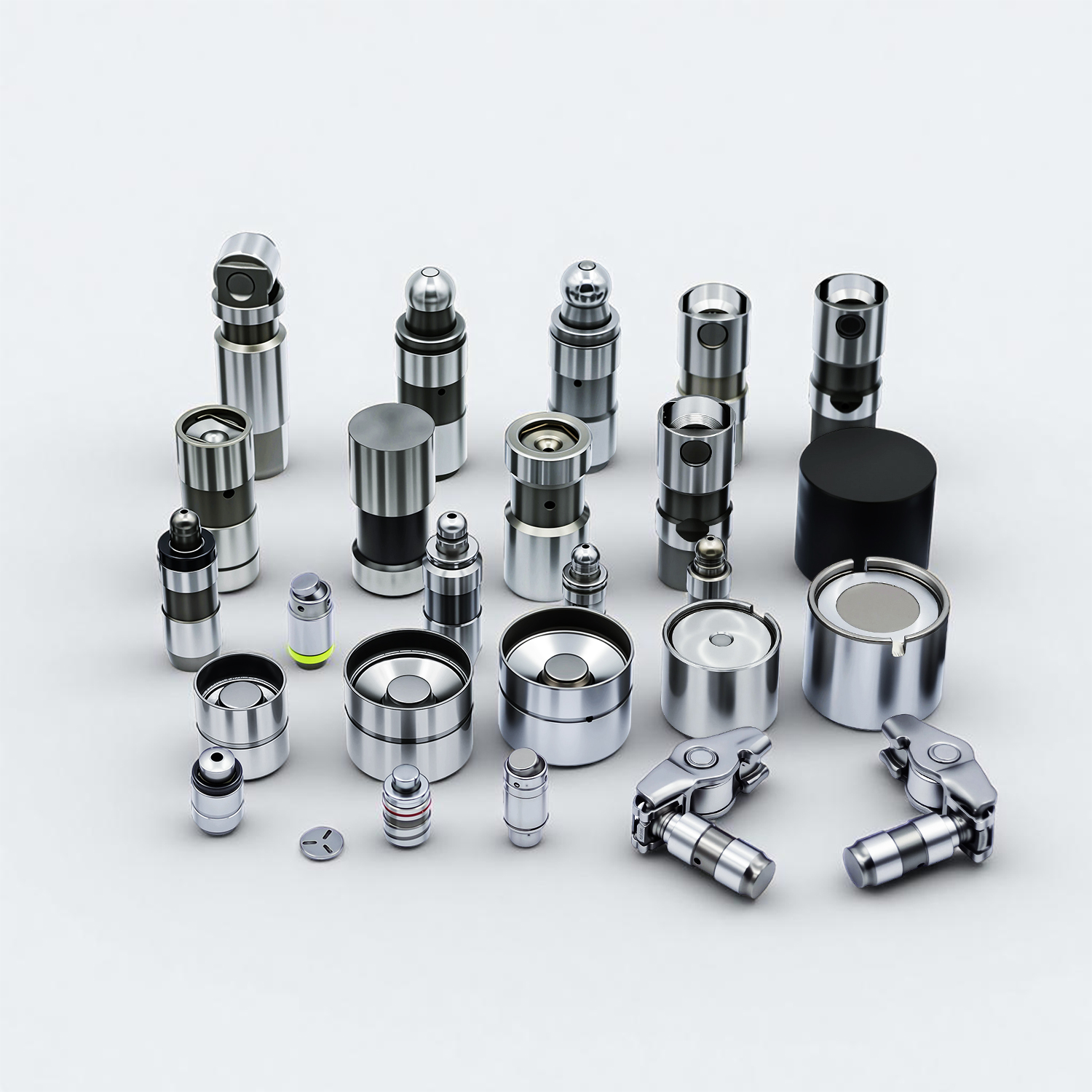
How to Choose the Right Engine Tappet Type?
Expert guide to selecting roller, flat, or bucket tappets based on engine architecture. OHV pushrod engines need roller tappets (30-40% friction reduction), DOHC engines require bucket tappets for high-RPM capability, and classic engines use flat tappets with proper oil considerations. Includes selection decision tree, material comparison tables, and failure analysis data. TOPU manufactures all three types under IATF 16949 certification with 550+ part numbers.